
What if scientists could bring back a bird that disappeared from the Earth centuries ago?
And what if the technology developed to accomplish that seemingly impossible feat could also help save endangered species living today?
These are some of the fascinating questions explored in a new episode of Dark Outdoors, featuring an exclusive interview with Dr. Andrew Pask, chief biology officer at Colossal Biosciences and one of the leading scientists working in the emerging field of de-extinction.
Listen to the episode here:
The Mystery of the Giant Moa
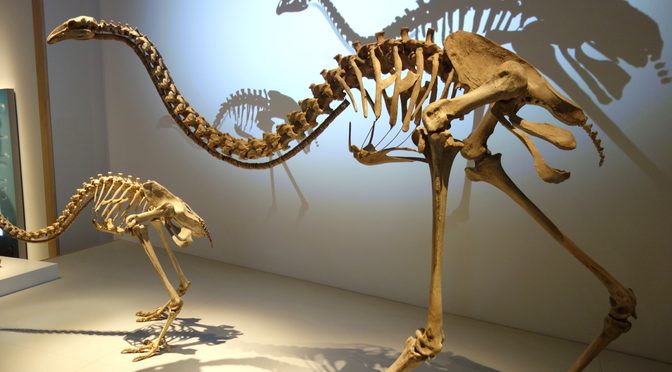
Imagine walking through the forests of New Zealand centuries ago and encountering a bird towering above nearly everything around it.
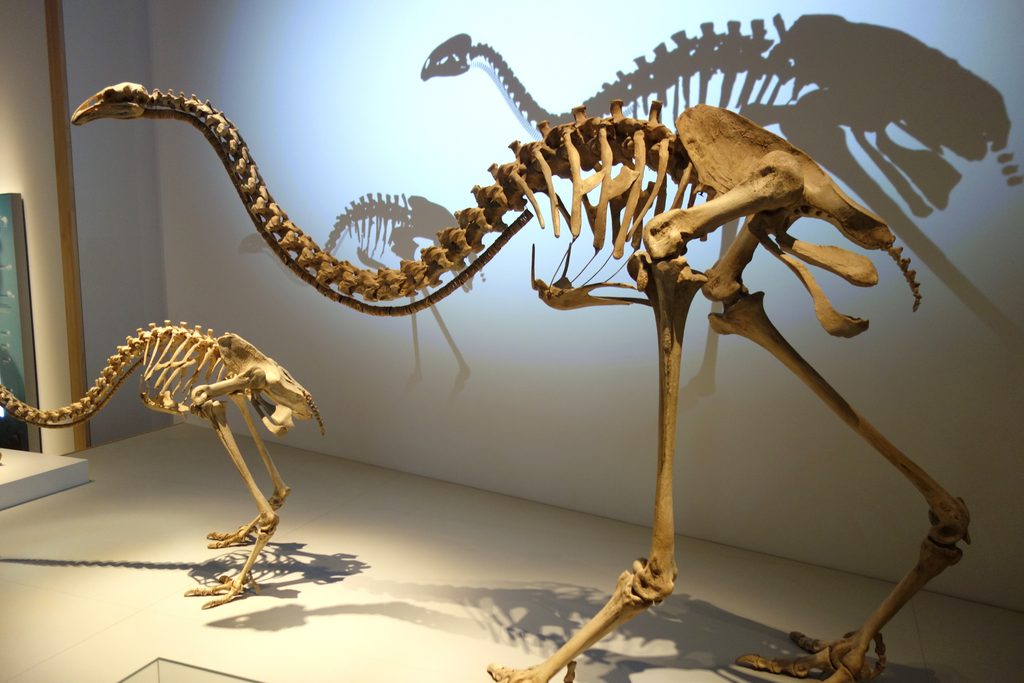
The giant moa was among the largest birds ever to exist. These flightless giants were part of a remarkable group of birds that disappeared following human settlement of New Zealand.
Today, their bones, preserved remains and scientific descriptions offer glimpses into a world that no longer exists.
But could advances in biotechnology someday allow scientists to recreate something resembling these extraordinary animals?
One of the greatest obstacles to bringing back extinct birds involves the way birds reproduce. Unlike mammals, which develop inside their mothers, birds develop inside eggs. That creates unique challenges for researchers attempting to use genetic engineering and reproductive technologies to produce birds with traits from extinct species.
This is where artificial egg technology enters the picture.
A New Frontier in De-Extinction
During our conversation, Pask explained the extraordinary scientific challenges involved in developing artificial systems that could support avian development.
The implications extend well beyond bringing back an extinct bird.
Scientists working in this field are exploring ways to overcome reproductive barriers that have long limited what biotechnology can accomplish with birds. Success could eventually provide new opportunities for conservation breeding and the protection of threatened species.
There is an important distinction between recreating an extinct species and producing an animal with some of its characteristics. De-extinction is an emerging science, and researchers still face enormous technical and biological challenges.
Nevertheless, the possibilities are extraordinary.
Mammoths, Tasmanian Tigers and the Future of Wildlife
Our discussion also explores other ambitious projects associated with Colossal Biosciences, including efforts involving woolly mammoths and the Tasmanian tiger, also known as the thylacine.
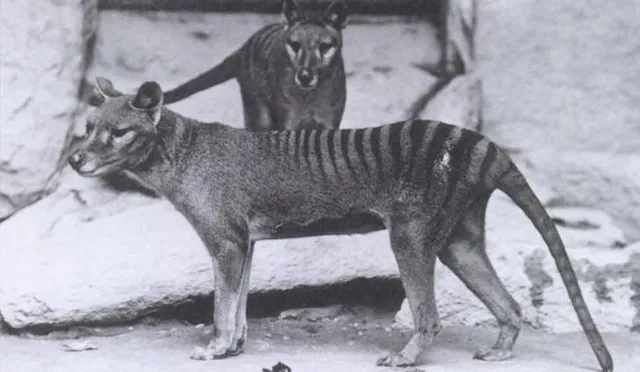
The thylacine is particularly fascinating because its extinction occurred within recorded history. The last known captive animal died at the Hobart Zoo in 1936.
The woolly mammoth represents an entirely different challenge, involving efforts to develop elephants with characteristics associated with adaptation to Ice Age environments.
Both projects raise compelling questions about genetics, ecosystems and humanity’s relationship with the natural world.
But perhaps the most important question isn’t whether scientists can bring back something that has disappeared.
It’s whether the technologies developed along the way can help prevent other species from disappearing in the first place.
Beyond Extinction
At Dark Outdoors, we explore the mysteries of the natural world, from dangerous wildlife encounters to strange chapters in outdoor history and scientific discoveries that challenge our understanding of nature.
De-extinction represents one of the most unusual frontiers we’ve explored.
There is something almost unbelievable about the idea of artificial eggs helping recreate birds that vanished centuries ago. Yet behind that possibility are serious scientific questions and technologies with potential conservation applications.
In this special episode, Dr. Andrew Pask takes us inside that research and explains why its significance could reach far beyond extinct animals.
Whether the giant moa ever walks again remains an open question.
But the science being developed today could help shape the future of wildlife conservation for generations to come.
Chester Moore
Follow Chester Moore and Higher Calling Wildlife® on the following social media platforms
@gulfgreatwhitesharksociety on Instagram
@thechestermoore on Instagram
Higher Calling Wildlife on Facebook
Email Chester at chester@chestermoore.com.
Subscribe to the Dark Outdoors podcast on all major podcasting platforms.