
By Chester Moore
Every few years, reports surface claiming that highly venomous sea snakes have been spotted swimming in the Gulf of Mexico. Social media posts spread rapidly, photos circulate without context and stories begin warning beachgoers and anglers about dangerous snakes supposedly invading Gulf waters.
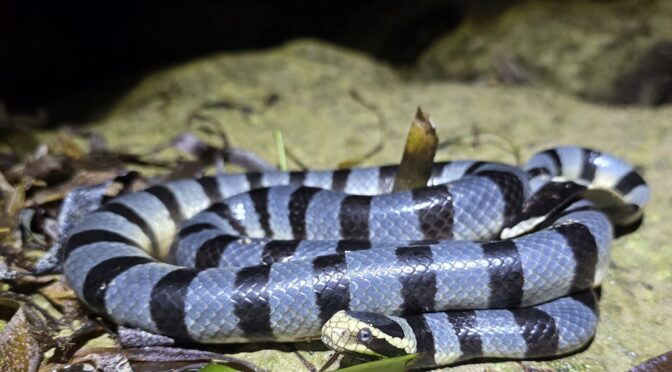
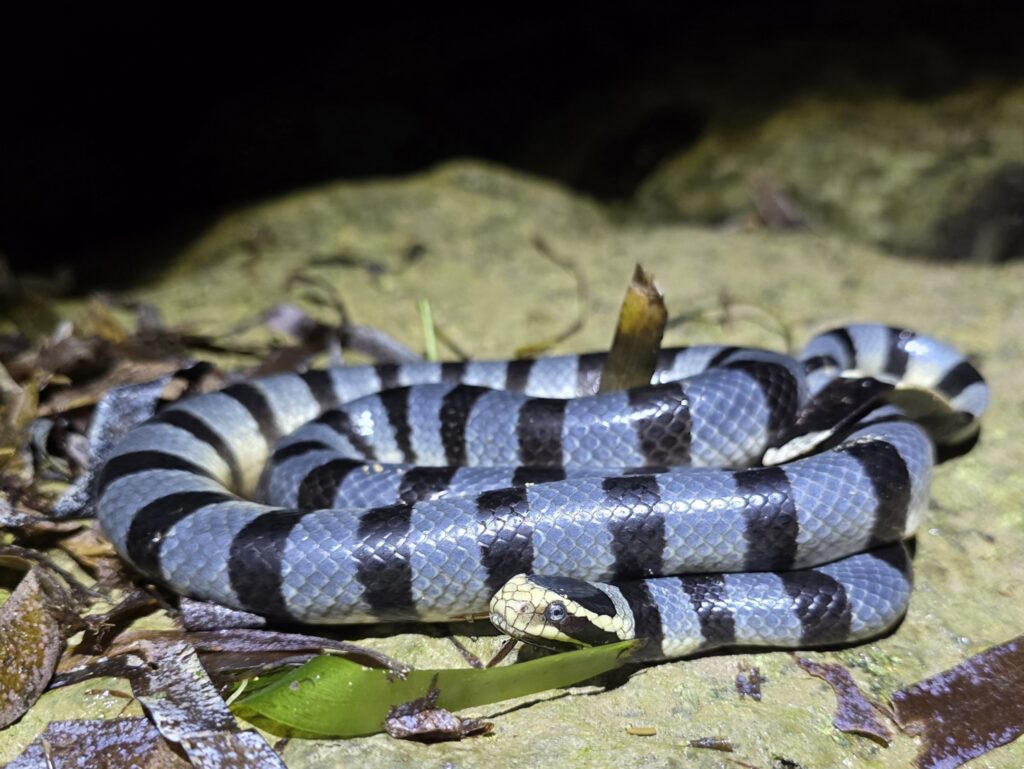
Could banded sea kraits or other true sea snakes actually be living in the Gulf?
Or is there another explanation for these persistent reports?
After spending years researching Gulf wildlife, I decided to investigate the evidence myself. The result was surprising. While sightings continue to be reported, there are no verified scientific records of true sea snakes naturally occurring in the Gulf of Mexico. That doesn’t mean people aren’t seeing unusual animals—it simply means the explanation is likely different than many believe.
In this episode of Dark Outdoors®, I explore the mystery behind Gulf sea snake sightings, examine the available scientific evidence and explain why these reports continue appearing despite the lack of confirmed records.
Dark Outdoors Podcast | Episode 070
🎧 Listen to the Podcast
🍏 Apple Podcasts
https://podcasts.apple.com/us/podcast/sea-snakes-in-the-gulf-of-mexico/id1630809603?i=1000766175259
🎵 Spotify
🌐 Listen Everywhere
https://linktr.ee/darkoutdoorspodcast
Investigation Summary
Sea snakes rank among the most venomous reptiles on Earth, with many species inhabiting the warm waters of the Indo-Pacific region. Because of their incredible venom and fully aquatic lifestyle, reports of these snakes appearing in the Gulf of Mexico naturally attract widespread attention.
This investigation examines the scientific literature, historical records and eyewitness reports surrounding these claims. While no verified evidence supports the existence of established sea snake populations in the Gulf, the persistence of these sightings raises interesting questions about mistaken identity, ocean currents and how wildlife myths develop.
What Are True Sea Snakes?
Many people use the term “sea snake” to describe any snake found in or near saltwater, but true sea snakes are a specialized group of reptiles adapted almost entirely to life in the ocean.
Unlike watersnakes or cottonmouths that occasionally swim in coastal waters, true sea snakes spend nearly all of their lives at sea. Most have paddle-shaped tails, flattened bodies and specialized adaptations that allow them to remain underwater for extended
periods.
Species such as the banded sea krait are native to the Indo-Pacific, thousands of miles from the Gulf of Mexico.
Why Do People Report Sea Snakes in the Gulf?
Several factors may explain why these reports continue surfacing.
People often encounter ribbon-like fish, American eels or even swimming watersnakes under poor lighting conditions.
Floating debris or unusual wave action can also distort what someone believes they are seeing.
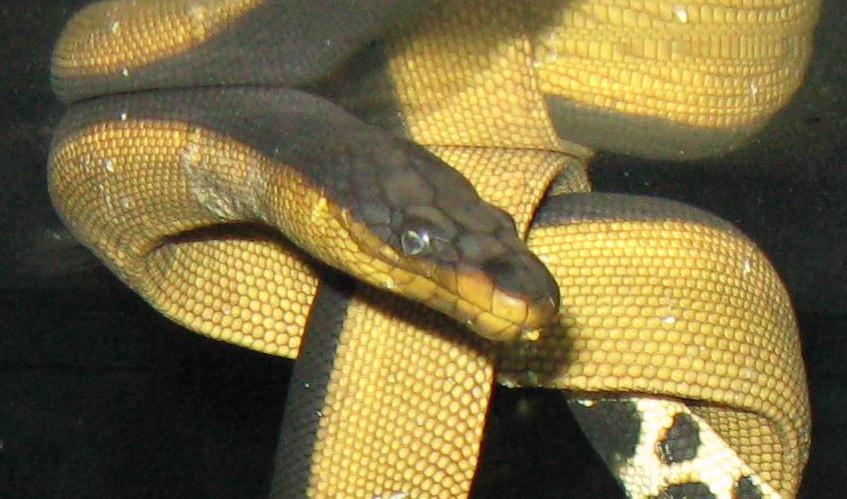
In today’s world, social media adds another layer. Photos taken in other parts of the world are frequently shared without context, leading viewers to believe they depict wildlife found along the Gulf Coast. But there are many truly compelling reports that could be true.
The result is a mystery that continues growing despite the absence of confirmed scientific evidence.
Could One Ever Reach the Gulf?
Nature occasionally produces surprises.
Ocean currents, storms and human transportation have moved marine species far outside their normal ranges before.
While scientists acknowledge that an isolated individual transported by unusual circumstances is theoretically possible, there is currently no verified evidence that true sea snakes have established themselves anywhere in the Gulf of Mexico.
For now, the available evidence points toward mistaken identification rather than an undiscovered population.
Related Dark Outdoors Investigations
- Bitten By a Cottonmouth: Firsthand Account of a Serious Snakebite
- A 12-Foot Long Alligator Garfish?
- Rising Shark Numbers, Shark Attacks & New Shark Deterrent Technology
- The Horror and Science of Chupacabra
About Chester Moore
Chester Moore is an award-winning wildlife journalist, investigative communicator and conservation advocate. He is the creator and host of Dark Outdoors®, an award-winning podcast exploring the intersection of true crime, dangerous wildlife, unexplained mysteries and the outdoors. His work has earned multiple Excellence in Media awards from the Press Club of Southeast Texas and the Texas Outdoor Writers Association.