
By Chester Moore
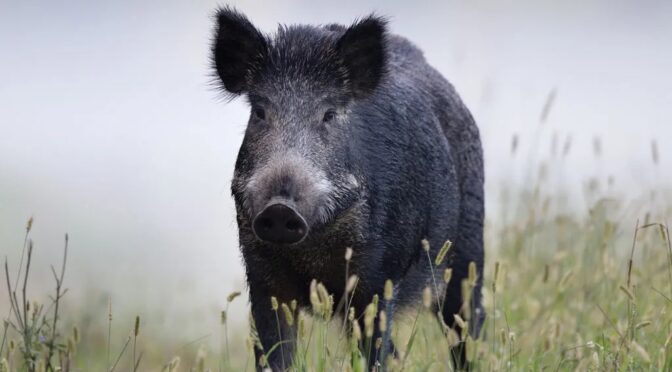
Feral hogs have become one of the most destructive invasive species in North America, causing billions of dollars in agricultural damage while rapidly expanding across much of the United States.
Most people know wild hogs can destroy crops, tear up pastures, and damage native ecosystems.
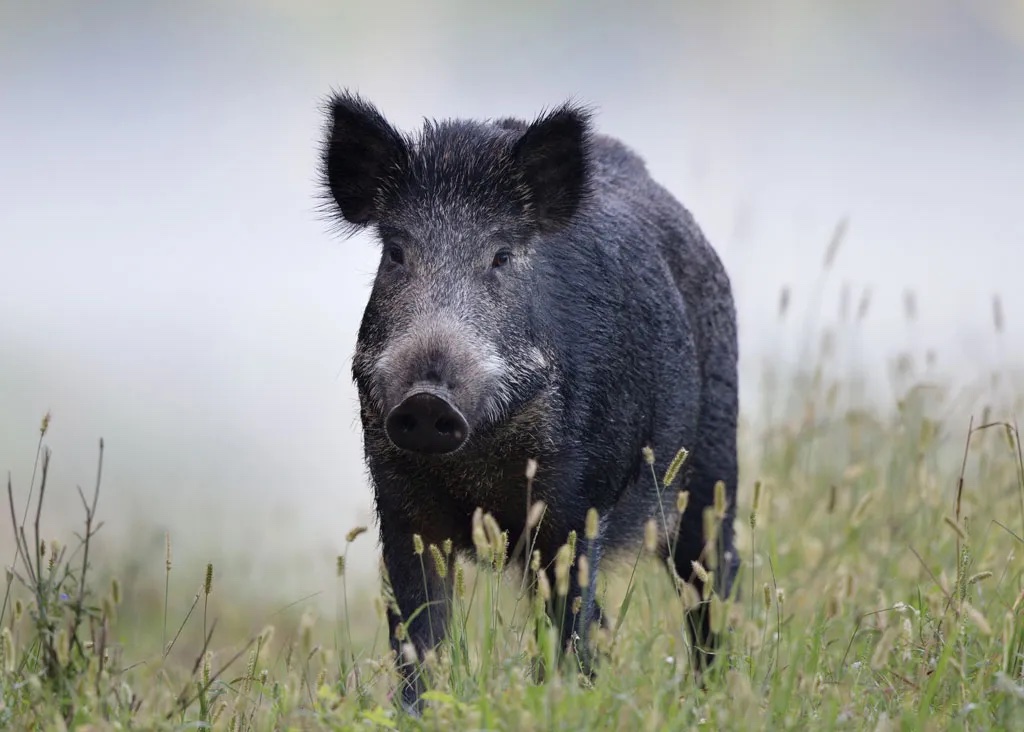
Far fewer realize they can also seriously injure—and occasionally kill—people.
Although fatal hog attacks remain rare, documented cases prove these powerful animals are capable of extreme aggression under certain circumstances. Understanding why those attacks occur is essential for hunters, landowners, hikers, and anyone who spends time where feral hogs live.
In this episode of Dark Outdoors, I sit down with Dr. Jack Mayer, one of the world’s foremost experts on feral hog behavior, to discuss the science behind wild pig attacks, examine documented cases from around the world, and separate fact from fiction surrounding one of North America’s most formidable invasive animals.
Dark Outdoors Podcast | Episode 11
Listen to the Podcast
🎧 Apple Podcasts
https://podcasts.apple.com/us/podcast/when-hogs-kill-mind-blowing-research-accounts-of-hog/id1630809603?i=1000612108948
🎧 Spotify
https://open.spotify.com/episode/6zAppzxGXan9vZLYRyw54A?si=ltuBLA8URfy6aDXTn6CHZA
🎧 Listen on All Platforms
https://linktr.ee/darkoutdoors
Investigation Summary
Feral hog attacks have been documented across North America, Europe, Asia, and Australia, yet many people remain unaware of just how dangerous these animals can become when threatened or cornered. In this episode, Dr. Jack Mayer shares decades of research into wild pig behavior, discusses documented attacks on humans, and explains the situations most likely to trigger aggressive encounters.
Rather than relying on sensational stories, we examine scientific research and firsthand accounts to better understand one of the outdoors’ most underestimated dangers.
How Dangerous Are Feral Hogs?
Most feral hogs avoid people whenever possible.
Problems arise when a hog feels trapped, is protecting young, has been wounded, or is surprised at close range. Large boars possess razor-sharp tusks capable of inflicting devastating injuries, and their speed often surprises people who underestimate how quickly they can charge.
While attacks remain uncommon, they are serious enough that anyone spending time in hog country should understand the risks.
The Science Behind Hog Attacks
Dr. Jack Mayer has spent decades studying wild pigs throughout the world.
His research helps explain why some encounters become dangerous while most do not. Factors such as animal behavior, habitat, hunting pressure, reproductive status, and human actions all influence the likelihood of aggression.
Understanding those factors allows outdoor enthusiasts to reduce the chances of a dangerous encounter while appreciating the biology of this remarkable—but highly destructive—animal.
Living With an Invasive Species
Feral hogs now occupy millions of acres across the United States and continue expanding into new areas.
Beyond their impact on agriculture, they damage wetlands, compete with native wildlife, prey on ground-nesting birds and reptiles, spread disease, and alter entire ecosystems through their rooting behavior.
Their ecological impact makes effective management an important conservation issue throughout much of the country.
What Should You Do During an Encounter?
Most encounters with feral hogs end without incident.
If you encounter wild pigs, maintain your distance and avoid cornering or approaching them. Hunters should exercise particular caution when tracking wounded animals, as injured hogs are responsible for many documented attacks. Situational awareness, patience, and respect for the animal are often the best defenses.
Knowledge—not fear—is the goal.
Respecting Dangerous Wildlife
One of the themes running throughout Dark Outdoors is that dangerous wildlife deserves understanding as much as caution.
Whether discussing sharks, alligators, bears, or feral hogs, the objective is to replace myths with reliable information. Understanding animal behavior allows people to enjoy the outdoors more safely while also appreciating the role each species plays within its environment—even invasive ones that require management.
What You’ll Hear
- Dr. Jack Mayer’s research on feral hog behavior
- Documented attacks and fatalities involving wild pigs
- Why hogs become aggressive
- The ecological impact of invasive feral hogs
- Practical safety advice for hunters and landowners
- Common myths about wild hog attacks
- How science helps explain dangerous wildlife behavior
Related Dark Outdoors Investigations
- Military Faces Killer Crocodiles & Other Dangerous Wildlife on the Battlefield
https://darkoutdoors.com/military-faces-killer-crocodiles-other-dangerous-wildlife-on-the-battlefield/ - Death in America’s National Parks: Fatal Wildlife Attacks, Disappearances & Outdoor Tragedies
https://darkoutdoors.com/death-in-americas-national-parks-fatal-wildlife-attacks-disappearances-outdoor-tragedies/ - America’s Teen Poaching Crisis: Deer Massacres, Dolphin Shootings & Wildlife Crime
https://darkoutdoors.com/americas-teen-poaching-crisis-deer-massacres-dolphin-shootings-wildlife-crime/ - Surviving a Wyoming Grizzly Bear Attack: One Man’s Incredible Survival Story
https://darkoutdoors.com/surviving-a-wyoming-grizzly-bear-attack-one-mans-incredible-survival-story/
About Chester Moore
Chester Moore is an award-winning wildlife journalist, author, filmmaker, and host of Dark Outdoors. For decades he has investigated dangerous wildlife, conservation issues, and outdoor mysteries while interviewing many of the world’s leading wildlife experts. His goal is to replace myths with facts while helping people better understand the wild places and animals that make the outdoors so fascinating.