

By Chester Moore
Few freshwater fish inspire as much awe—and misinformation—as the alligator gar. Growing to lengths of more than eight feet and weighing well over 300 pounds, these prehistoric predators have fueled tales of giant river monsters across the South for generations.

Recently, one of those stories exploded across social media. A viral graphic claimed a 12-foot alligator gar had been tracked moving up Texas’ Trinity River, igniting thousands of comments, shares and heated debates. Was the story real? Could a fish that size actually exist in Texas?
Rather than relying on internet rumors, I decided to investigate. I contacted the Texas Parks and Wildlife Department, examined the available information and separated fact from fiction. The answers reveal a fascinating story about one of North America’s most remarkable native fish—and why misinformation spreads so quickly online.
In this episode of Dark Outdoors®, we explore the science behind giant alligator gar, the truth about the viral image and why these incredible fish deserve admiration rather than fear.
Dark Outdoors Podcast | Episode 072
🎧 Listen to the Podcast
🍏 Apple Podcasts
🎵 Spotify
🌐 Listen Everywhere
https://linktr.ee/darkoutdoorspodcast
Investigation Summary
The internet has made it easier than ever for wildlife stories to spread around the world within hours. Unfortunately, that also means inaccurate information often travels just as quickly.
The recent claim of a 12-foot alligator gar swimming through the Trinity River captured the imagination of anglers and outdoor enthusiasts across the country. To determine whether the story held any truth, I reached out directly to the Texas Parks and Wildlife Department and reviewed what biologists actually know about the species.
This investigation reveals not only what happened with the viral image, but also why alligator gar continue to rank among America’s most misunderstood freshwater predators.
The Real Giants of Texas Waters
Alligator gar are among the largest freshwater fish in North America.
These remarkable fish can live for decades, reach lengths exceeding eight feet and weigh more than 300 pounds under exceptional circumstances. Their long lifespan and slow growth make them living relics from an ancient lineage that predates many of today’s modern fish species.
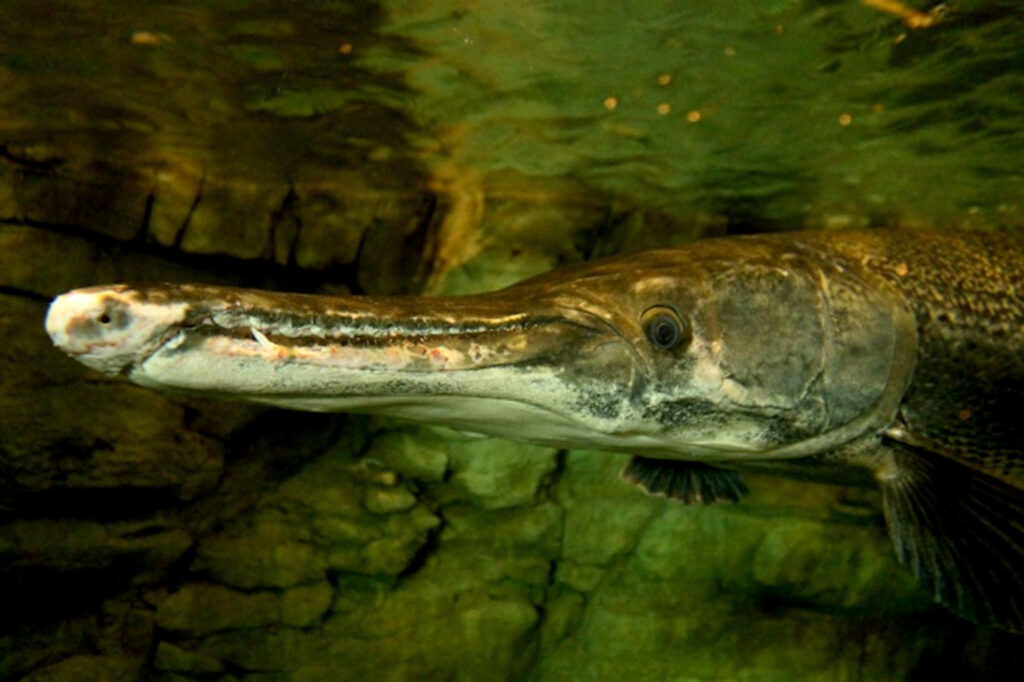
Because of their enormous size and intimidating appearance, they have often been portrayed as dangerous “river monsters.” In reality, documented attacks on people are extraordinarily rare, and modern research has shown these fish play an important ecological role in healthy river systems.
Understanding what alligator gar truly are is far more interesting than the myths surrounding them.
Could a 12-Foot Gar Exist?
Stories of giant gar have circulated throughout the South for generations. Old-timers have described fish longer than small boats.
Hunters have claimed to see massive shapes rolling near riverbanks. Social media has only amplified these stories. But when wildlife claims become extraordinary, they deserve careful investigation. In this episode, I explain what Texas Parks and Wildlife biologists had to say about the viral report, how the image spread online and what current science tells us about the maximum size alligator gar are believed capable of reaching.
Related Dark Outdoors Investigations
- Sea Snakes in the Gulf of Mexico? Investigating One of the Gulf’s Most Persistent Wildlife Mysteries
- Rising Shark Numbers, Shark Attacks & New Shark Deterrent Technology
- Bitten By a Cottonmouth: Firsthand Account of a Serious Snakebite
- Sinister Swamps
About Chester Moore
Chester Moore is an award-winning wildlife journalist, investigative communicator and conservation advocate. He is the creator and host of Dark Outdoors®, an award-winning podcast exploring the intersection of true crime, dangerous wildlife, unexplained mysteries and the outdoors. His work has earned multiple Excellence in Media awards from the Press Club of Southeast Texas and the Texas Outdoor Writers Association.