

By Chester Moore
“Cocaine sharks” may sound like the title of a late-night creature feature, but the phrase emerged from a legitimate scientific discussion about contaminants in marine ecosystems. Headlines around the world have fueled curiosity—and plenty of misconceptions—about whether sharks are actually encountering illicit drugs in the ocean. The reality is far more nuanced and far more important than the viral stories suggest.
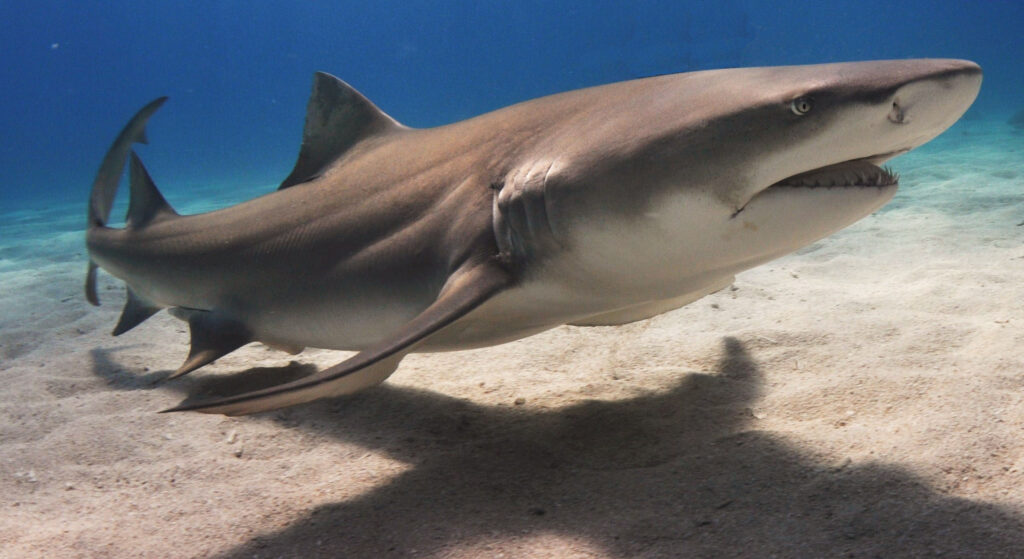
In this episode of Dark Outdoors, Chester Moore sits down with environmental engineer and science communicator Dr. Tracy Fanara to separate science from sensationalism. Together, they explore what researchers are discovering about pharmaceuticals, illicit drugs, and other contaminants entering coastal waters, how those substances move through marine food webs, and why understanding water quality is becoming increasingly important for shark conservation. Instead of focusing on clickbait, this conversation examines the evidence and what it tells us about the changing health of our oceans.
Dark Outdoors Podcast | Episode 63
Listen to the episode:
Apple Podcasts: https://podcasts.apple.com/us/podcast/cocaine-sharks-are-real/id1630809603?i=1000768869264
Spotify: https://open.spotify.com/episode/3xXMvv6JTEKE5stCs6brEg?si=xcOsfwiMReGG6ubVKUi1-Q
Investigation Summary
Episode 63 dives into one of the year’s most talked-about shark stories by looking beyond the headlines. While scientists have documented that trace amounts of pharmaceuticals, recreational drugs, and countless other contaminants can enter rivers, estuaries, and coastal waters through wastewater, runoff, and other human activities, the biological effects on sharks remain an active area of research.

Dr. Tracy Fanara explains what researchers actually know—and just as importantly, what they don’t yet know. Rather than portraying sharks as behaving wildly because of drug exposure, the discussion focuses on environmental science, toxicology, and how pollutants may affect marine organisms over time.
The episode also broadens the conversation to include water quality, ecosystem health, and the growing challenge of protecting marine wildlife in an increasingly developed world. Every contaminant entering coastal waters has the potential to affect the complex food webs that sustain sharks, game fish, sea turtles, and countless other species.
What You’ll Hear
You’ll hear Dr. Tracy Fanara explain how contaminants find their way into marine environments and why scientists continue to monitor everything from pharmaceuticals to industrial chemicals in coastal ecosystems.
The conversation explores the difference between sensational headlines and peer-reviewed science, helping listeners understand what research has actually demonstrated about chemical exposure in marine animals.
Chester Moore and Dr. Fanara also discuss the broader implications for conservation. Healthy shark populations depend on healthy oceans, and protecting those ecosystems requires understanding not only fishing pressure and habitat loss but also the long-term effects of pollution on marine life.
Throughout the episode, the emphasis remains on evidence. While the phrase “cocaine sharks” captures attention, the real story is about how human activity influences ocean health and why ongoing scientific research is essential for protecting some of the planet’s most remarkable predators.
Related Dark Outdoors Investigations
- The Truth About “Jaws”: Its Making, Great White Attacks & Shark Persecution
https://darkoutdoors.com/the-truth-about-jaws-its-making-great-white-attacks-shark-persecution/ - Rising Shark Numbers, Shark Attacks & New Shark Deterrent Technology
https://darkoutdoors.com/rising-shark-numbers-shark-attacks-new-shark-deterrent-technology/ - South Padre Island Shark Attack: What Really Happened in the Rare Multiple Victim Incident
https://darkoutdoors.com/south-padre-island-shark-attack-what-really-happened-in-the-rare-multiple-victim-incident/ - Sea Snakes in the Gulf of Mexico
https://darkoutdoors.com/seasnakes-in-the-gulf-of-mexico/
Explore More Shark Research
For more in-depth reporting on great white sharks, Gulf ecosystems, and shark conservation, explore these additional resources from Gulf Great White Sharks:
- About the “Jaws” Shark
https://gulfgreatwhites.com/jaws-shark/ - Most Dangerous Sharks in the Gulf of Mexico: What You Should Know
https://gulfgreatwhites.com/2026/05/05/most-dangerous-sharks-in-the-gulf-of-mexico-what-you-should-know/ - The 1916 Shark Attacks That Inspired “Jaws”
https://gulfgreatwhites.com/2025/04/15/the-controversial-shark-attacks-that-inspired-jaws/ - Gulf Great White Sharks: Return of an Icon (Documentary)
https://gulfgreatwhites.com/documentary/
About Chester Moore
Chester Moore is an award-winning wildlife journalist, investigative outdoor writer, and host of Dark Outdoors. For more than three decades, he has reported on sharks, marine conservation, endangered species, wildlife crime, and natural history. Chester is also the founder of the Gulf Great White Shark Society and producer of the award-winning documentary Gulf Great White Sharks: Return of an Icon, combining investigative journalism with field research to tell the stories of wildlife that matter most.