
By Chester Moore
I’ve spent a large portion of my life going into places most people would consider remote.
I’ve traveled into mountain country looking for wildlife, walked swamps and forests, spent countless hours around Gulf Coast marshes and ventured into isolated areas with cameras, fishing rods and sometimes nothing more than curiosity and a desire to see what was around the next bend.
One thing I’ve learned is that the outdoors usually gives you information before it gives you trouble.
The problem is we’re not always paying attention.
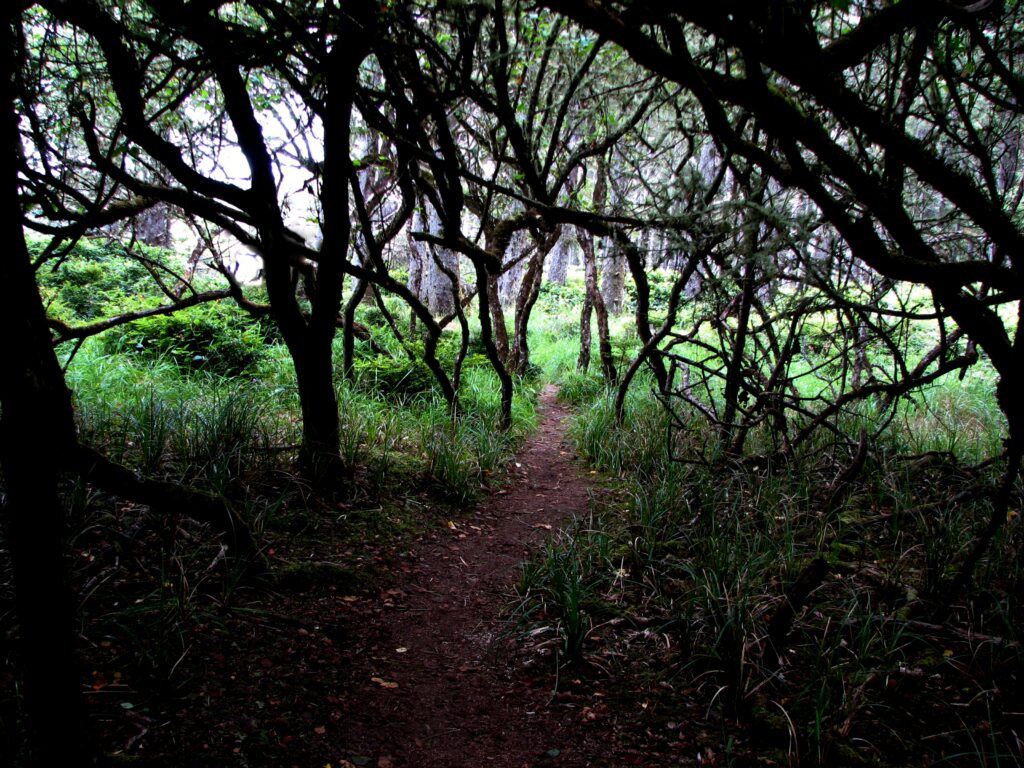
Situational awareness isn’t about walking through the woods afraid of everything that moves. In fact, fear can make you less observant because you’re interpreting every sound as a threat. Awareness means understanding what should be happening around you well enough to notice when something doesn’t fit.
Here are five things I don’t ignore when I’m in remote country.
1. Human Activity That Doesn’t Match the Location
This is probably at the top of my list.
If I’m somewhere genuinely remote and suddenly start seeing an unusual amount of human sign, I pay attention. A few boot tracks aren’t concerning. Neither are ATV tracks in an area where people commonly ride or hunters have access.
It’s the context that matters.
A heavily traveled trail in a place where there shouldn’t be much foot traffic gets my attention. So do repeated vehicle tracks leading into an isolated area, makeshift camps in unusual locations, large amounts of trash or other evidence suggesting people are spending considerable time somewhere that doesn’t seem to have an obvious recreational purpose.
I learned this lesson firsthand when I once stumbled into an area associated with a meth lab.
That changed the way I view human sign in remote places.
I’ve spent much of my career writing about wildlife capable of hurting people, but an encounter with a criminal who thinks you’ve discovered something you shouldn’t have can be far more unpredictable than an encounter with an animal.
I don’t investigate suspicious activity simply because I’m curious. If something genuinely doesn’t look right, creating distance is usually a better option than finding out exactly what is happening.
2. Wildlife Suddenly Acting Differently
Wild animals notice things long before we do.
Anyone who hunts understands this. A deer staring intensely into cover has probably detected something. Birds giving alarm calls might be responding to a predator. Squirrels barking repeatedly aren’t necessarily upset about you.
I pay particular attention when several animals seem focused on the same area.
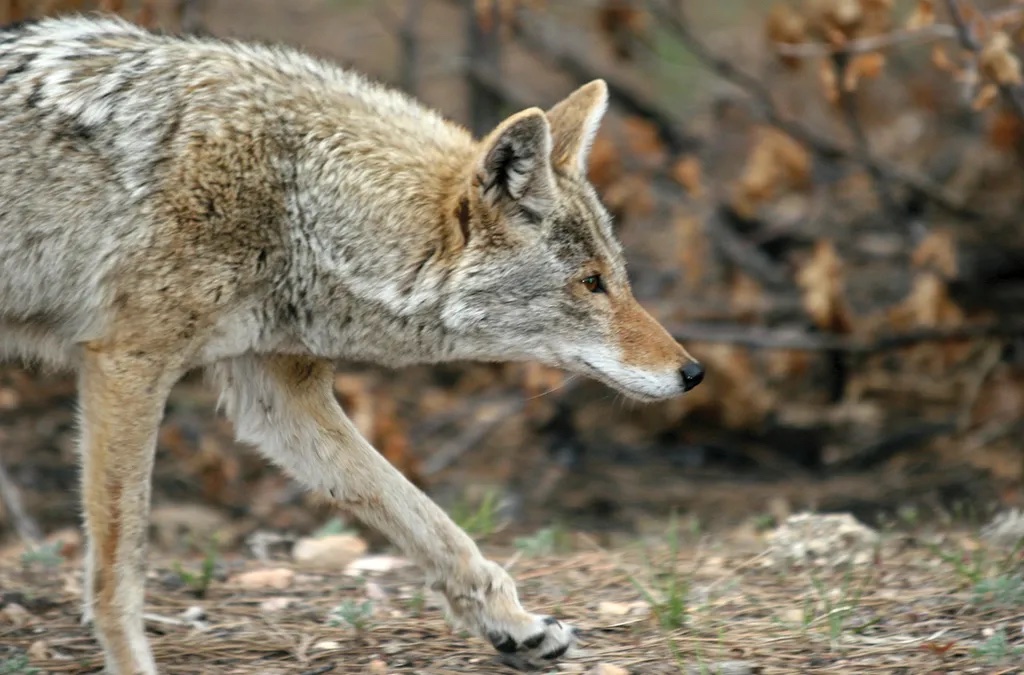
That doesn’t mean Bigfoot is standing behind the nearest oak tree. There are plenty of perfectly ordinary explanations. A bobcat, coyote, fox, snake, hawk or human can change the behavior of animals around it.
The important thing isn’t immediately identifying what’s causing the reaction. It’s recognizing that something has changed.
People sometimes talk about the woods suddenly becoming completely silent as if it is proof that a major predator is nearby. Nature isn’t quite that simple. Temperature, weather, time of day and countless other factors influence animal and insect activity.
But if I’ve been listening to normal woodland activity and there is an obvious behavioral shift around me, I’m going to notice it.
The animals might know something I don’t.
3. Fresh Predator Sign Where I Didn’t Expect It
Finding a predator track doesn’t automatically mean you’re in danger.
I’ve photographed and studied predators for decades, and one of the biggest mistakes people make is assuming the presence of a predator means an attack is imminent. Most wild predators want absolutely nothing to do with us.
Still, fresh sign deserves attention.
A bear track around a campground means something different than an old track several miles down a trail. Fresh mountain lion sign near a kill deserves considerably more attention than an isolated print. Coyote tracks are common across huge portions of America, but repeated sign around a campsite where food has been left accessible tells you something about animal behavior.
The details matter.
How fresh is the sign? Is there food nearby? Are there cubs or young animals involved? Is the animal repeatedly using the same location? Does it appear to be associating people with food?
I don’t panic when I find predator sign.
I use it as information.
Knowing what’s sharing the country with you allows you to make better decisions about what you do next.
4. Something That Has Been Deliberately Hidden
This one immediately gets my attention.
There is a difference between finding something somebody lost and finding something somebody obviously didn’t want discovered.
An abandoned backpack beside a popular trail might have an innocent explanation. Something carefully concealed deep in brush is different. So are containers, equipment or other objects deliberately hidden in places where they don’t seem to belong.
I don’t start opening things.
There are too many possibilities, and some of them aren’t good.
The object could be related to hunting or someone’s legitimate outdoor activity. It could be old trash. It could also be connected to illegal activity, hazardous material or something authorities would rather have examined without somebody handling it first.
I’ve always had a strong investigative streak. It’s part of what led me into journalism and wildlife work in the first place.
Remote country, however, is not the place to let curiosity override common sense.
If someone went through considerable effort to make sure an object wasn’t easily seen, I don’t assume they were hoping I’d come along and investigate it.
5. My Own Instinct That Something Has Changed
This one is difficult to quantify, but I don’t dismiss it.
People sometimes describe getting a strange feeling in the woods. The hair stands up on the back of their neck. They suddenly feel watched or simply become convinced something isn’t right.
That doesn’t mean anything paranormal is happening.
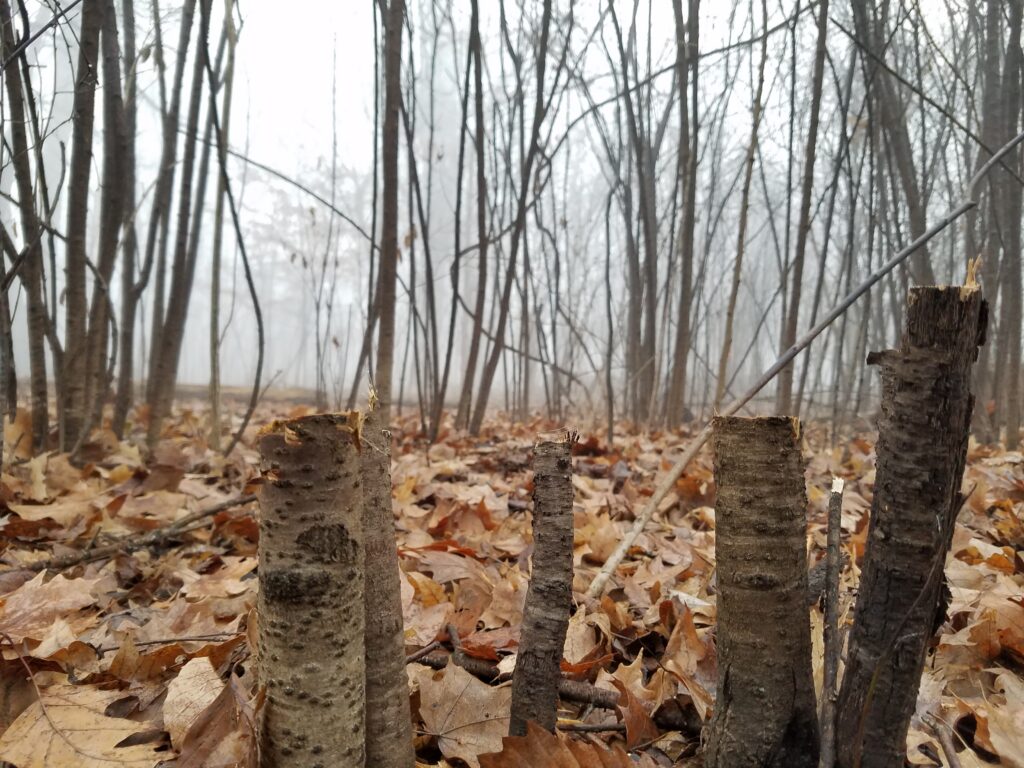
Our brains constantly process information we’re not consciously concentrating on. Maybe you heard a sound that didn’t register clearly. Perhaps movement occurred at the edge of your peripheral vision. Maybe the normal background noise changed, or you noticed a smell you couldn’t immediately identify.
Sometimes your brain puts those pieces together before your conscious mind does.
I’ve learned not to automatically dismiss that reaction.
At the same time, I don’t let imagination take control. Being alone in darkness can make an ordinary raccoon sound enormous, and exhaustion can make familiar surroundings feel completely different.
The key is using that feeling as a reason to become more observant rather than more frightened.
Stop for a moment and look around. Listen. Check the wind. Look behind you. Pay attention to what wildlife is doing and see whether there is anything tangible that explains why your level of awareness suddenly increased.
Maybe you’ll discover nothing.
That’s fine.
Situational awareness isn’t about proving that danger exists. It’s about noticing potential danger early enough that you still have options.
Pay Attention to What Doesn’t Fit
The outdoors isn’t inherently sinister.
I’ve spent enough time in wild places to know the overwhelming majority of strange sounds, tracks and movements eventually have completely natural explanations. An unexplained scream might be a fox. Eyes glowing beyond the fire could belong to a raccoon. The huge animal crashing through brush might turn out to be an armadillo making considerably more noise than something that size should be capable of producing.
But I’ve also learned not to ignore things simply because I can’t immediately explain them.
The most important outdoor skill isn’t necessarily shooting, tracking, fire building or navigation, although all of those can matter tremendously.
Sometimes it’s simply paying attention.
Notice the trail that shouldn’t have that much traffic. Watch the animals that suddenly become alarmed. Examine the fresh tracks before walking farther. Don’t handle the object somebody obviously tried to conceal, and don’t automatically dismiss the internal warning telling you to pay closer attention.
You don’t have to be afraid of remote country to respect it.
You just have to remember that when you’re miles from the nearest road, noticing something five minutes earlier can make a tremendous difference in what happens next.
Follow Chester Moore on the following social media platforms
@gulfgreatwhitesharksociety on Instagram
To support the efforts of Higher Calling Wildlife® click here.
Subscribe to the Dark Outdoors podcast on all major podcasting platforms.
Higher Calling Wildlife on Facebook
Email Chester at chester@chestermoore.com.