Category Archives: Dark Outdoors

The Night I Had A Red Wolf In My Crosshairs

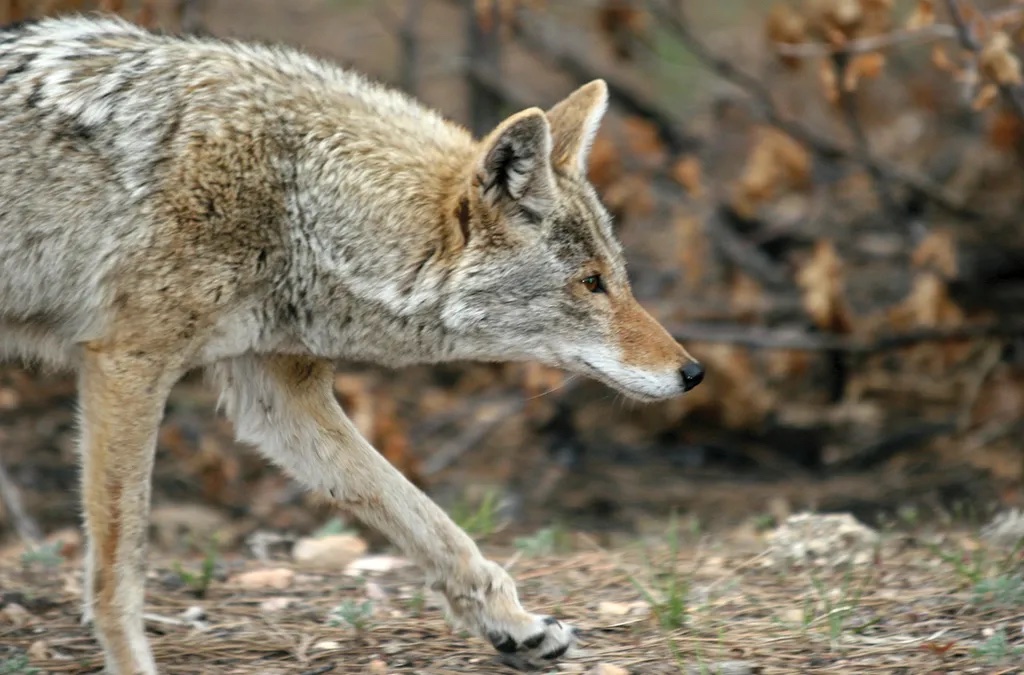
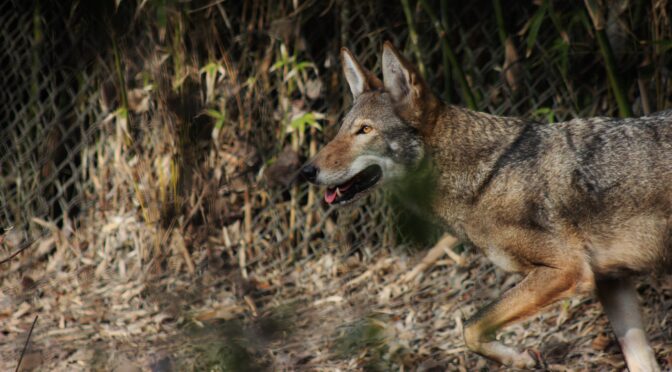
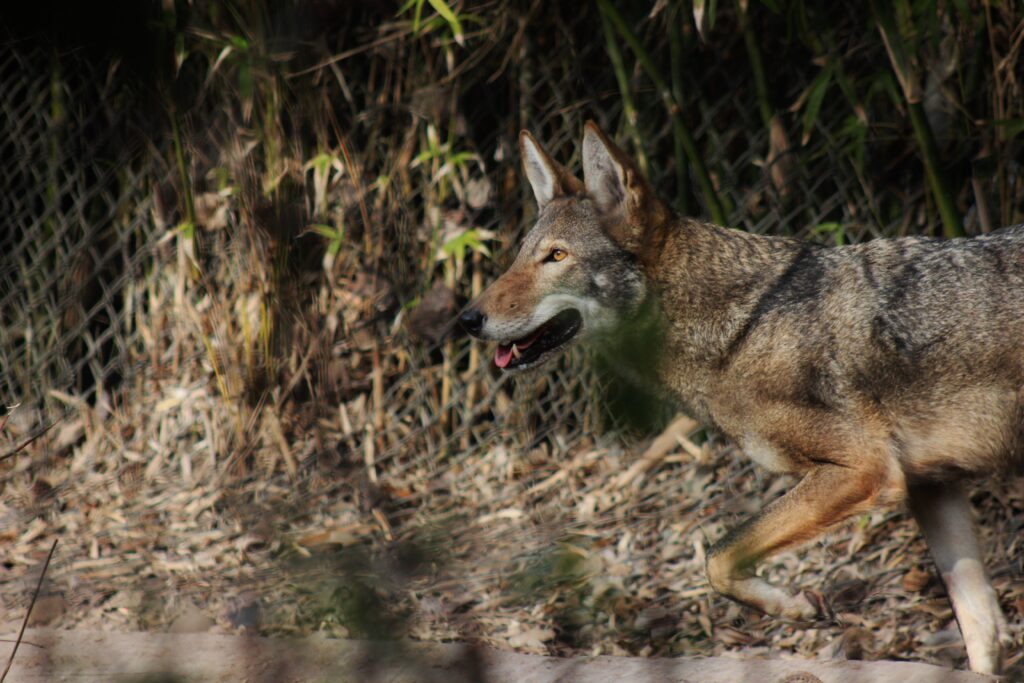
A pair of eyes emerged from the bushes in the darkness. There had recently been a mountain lion sighting in the area, so I raised my rifle and looked through the scope. What I saw wasn’t a mountain lion. It looked like a red wolf.

I lowered the rifle.

That encounter has stayed with me for years, and it opens a new episode of Dark Outdoors®, “The Night I Had a Red Wolf in My Crosshairs.” The episode explores that experience, other strange wild canine encounters and the fascinating story of an animal that once roamed Texas and Louisiana but came perilously close to disappearing forever.

Listen to the full Dark Outdoors® episode:

Apple Podcasts:
https://podcasts.apple.com/us/podcast/the-night-i-had-a-red-wolf-in-my-crosshairs/id1630809603?i=1000788048061

Spotify:
https://open.spotify.com/episode/0gtxNaNdRgw1PSBYJAbnTS?si=oMTRler3T-2zW3qRAG-SggI

Texas Coyotes With Red Wolf DNA?

There is another fascinating chapter to this story.

Researchers studying wild canines along the Texas Gulf Coast have discovered animals carrying significant amounts of red wolf ancestry. That raises intriguing questions about whether genetic remnants of the wolves that once inhabited this region have survived within coastal coyote populations.

I explored that story in a video examining Texas coyotes, red wolf genetics and the remarkable possibilities scientists are considering for conserving those genes.

Watch “Texas Coyotes — 70% Red Wolf? The Cloning Plan” on YouTube:
https://youtu.be/ZB0iVEcGp44?si=IoPli3VoyXMQMJk1

The Red Wolf’s Disappearing World

The red wolf (Canis rufus) is one of North America’s great wildlife conservation stories.

Red wolves once occupied portions of the eastern and south-central United States, including Texas and Louisiana. By the 20th century, persecution, habitat changes and hybridization with coyotes helped push them toward extinction in the wild.

A small number of animals were captured along the Texas-Louisiana Gulf Coast to establish a captive breeding program. Those animals became the foundation for an effort that prevented the red wolf from disappearing completely.

Today, the only recognized wild population exists in eastern North Carolina.

That makes the discovery of red wolf ancestry in Gulf Coast canines especially fascinating. The wolves themselves may have disappeared from Texas, but some of their genetics apparently did not.

What Was in My Crosshairs?

I’m not claiming that the animal I encountered that night was a genetically pure red wolf.

There was no DNA test. I didn’t capture it. I didn’t have a biologist standing beside me.

I can only tell you what happened.

I saw those eyes emerge from the bushes. With a mountain lion recently reported in the area, I raised my rifle. When I got a better look at the animal, what I saw looked like a red wolf.

So I lowered the gun.

Years later, as research began revealing the surprising amount of red wolf ancestry surviving in some Gulf Coast coyotes, encounters like mine became even more interesting.

Could I have encountered an animal carrying substantial red wolf genetics?

I don’t know.

But unlike a lot of mysterious wildlife stories, we now know there really are wild canines along the Texas Gulf Coast carrying genetic echoes of the red wolf.

And that makes this story worth another look.

Hear the Full Story

In the complete Dark Outdoors episode, I tell the story of that night and explore other unusual encounters I’ve had with wild canines over the years.

Listen to “The Night I Had a Red Wolf in My Crosshairs”:

Apple Podcasts:
https://podcasts.apple.com/us/podcast/the-night-i-had-a-red-wolf-in-my-crosshairs/id1630809603?i=1000788048061

Spotify:
https://open.spotify.com/episode/0gtxNaNdRgw1PSBYJAbnTS?si=oMTRler3T-2zW3qRAG-SggI

Then go deeper into the Texas red wolf story with our video on Gulf Coast coyotes, red wolf DNA and the efforts to preserve those remarkable genetics:

Watch on YouTube:
https://youtu.be/ZB0iVEcGp44?si=IoPli3VoyXMQMJk1

Sometimes the most interesting wildlife mysteries aren’t about creatures science says don’t exist.

They’re about animals we know existed—and the pieces of them that may still be running wild.

Because the outdoors has a dark side.

Chester Moore

Follow Chester Moore on the following social media platforms

Chester Moore’s YouTube.

@thechestermoore on Instagram

@gulfgreatwhitesharksociety on Instagram

To support the efforts of Higher Calling Wildlife® click here.

Subscribe to the Dark Outdoors podcast on all major podcasting platforms.

Higher Calling Wildlife on Facebook

Email Chester at chester@chestermoore.com.

He Found an African Lion in His Chicken Coop in Texas

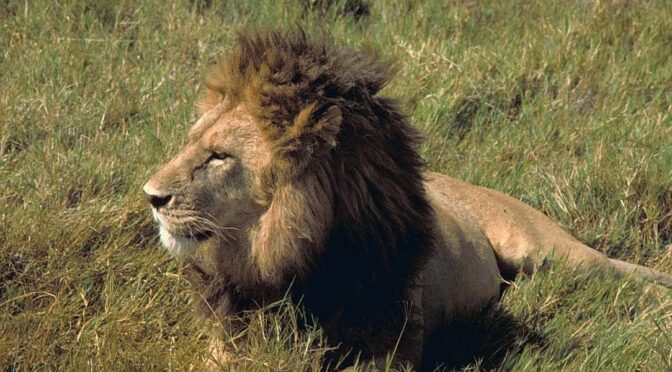
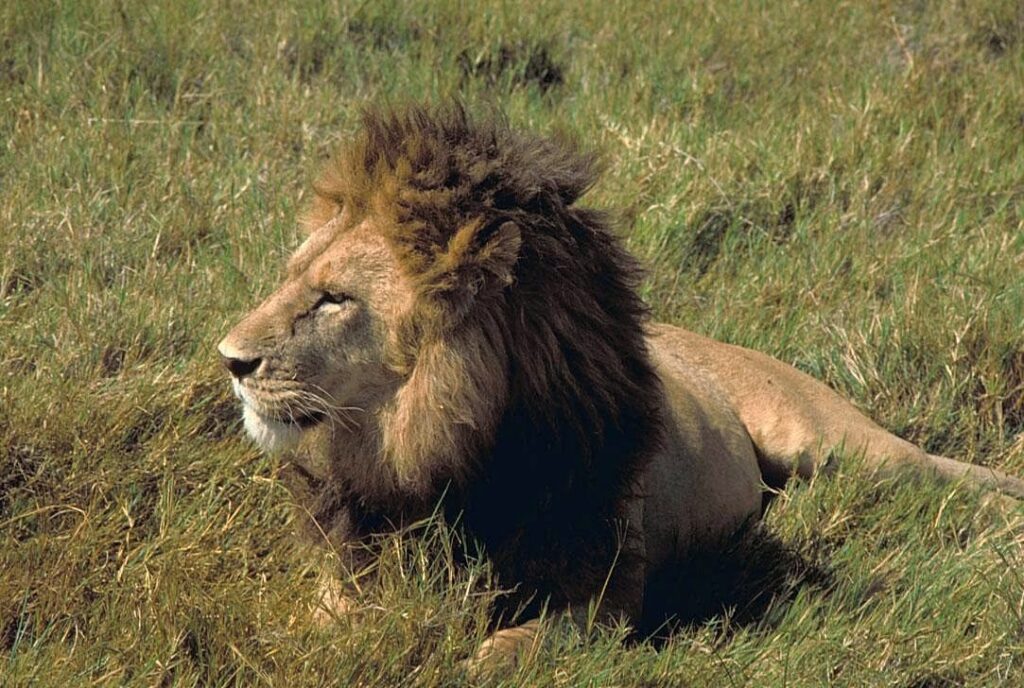
A man walked outside his Texas home and discovered a huge cat inside his chicken coop. It wasn’t a bobcat, and it didn’t look like a mountain lion. The animal he described looked like an African lion.

That encounter is at the center of a new episode of Dark Outdoors®, examining one of the strangest categories of wildlife reports I have investigated over the years: big cats that don’t seem to belong where people are seeing them.

LISTEN TO THE DARK OUTDOORS® EPISODE

Apple Podcasts:
https://podcasts.apple.com/us/podcast/he-found-a-lion-in-his-chicken-coop-in-texas/id1630809603?i=1000788610512

Spotify:
https://open.spotify.com/episode/3QaAVZ7vnU4cvByWbY8CJg?si=Xw1X5E8NR5KmIzzt8pHNGQ

A Lion Where No Lion Should Be

For decades, I have investigated reports of unusual cats in Texas and across the South. Mountain lions are responsible for some of them. Bobcats, especially when seen briefly or under unusual conditions, can account for others. Misidentification is a legitimate part of investigating any unusual wildlife report, and it should always be considered before looking for a more exotic explanation.

But occasionally a report comes along that doesn’t fit comfortably into those categories. The chicken-coop encounter is one of them. The witness described an animal that appeared to be an African lion. That’s an extraordinary claim, and without photographs, DNA or other physical evidence, there is no way to prove exactly what stood inside that coop.

The possibility of an exotic cat appearing in Texas, however, isn’t as impossible as it might initially sound. Texas has a long history of privately held exotic wildlife. Animals escape, and historically some have been deliberately released. In some cases, an exotic animal could potentially survive unnoticed for a period of time, particularly in remote country with abundant cover and prey.

That doesn’t mean every report of an unusual cat is an escaped exotic. It simply means the possibility shouldn’t automatically be dismissed when examining a credible report.

The Giant Tracks

The lion report isn’t the only strange big-cat case I discuss in this episode. I also recount one of my own investigations involving enormous cat tracks that immediately caught my attention because of their size.

Photo by Chester Moore

I’ve spent much of my life around wildlife and studying animal sign, and these tracks appeared far larger than what I expected to find from a native cat in that area. That doesn’t automatically make them evidence of some exotic predator. Tracks can be deceptive. Mud can distort a print, a paw can slip and multiple impressions can overlap.

Those possibilities always have to be considered, but when unusually large tracks begin showing up in the same broader conversation as reports of unusually large cats, the subject becomes much more interesting.

Could Exotic Cats Be Roaming Texas?

Texas is enormous, with millions of acres of forests, swamps, brush country, ranchland and river bottoms where an animal can remain surprisingly difficult to detect. Mountain lions themselves demonstrate how effectively a large predator can move primarily at night, avoid people and cover tremendous distances without being seen by most of the people living around it.

Now consider an escaped exotic cat behaving in much the same way. Could a lion, leopard or another large captive cat survive for some period of time in the wild? Under the right circumstances, it’s certainly possible. The much harder question is whether that possibility explains any particular sighting.

That’s where evidence matters. A witness report can begin an investigation, but tracks, photographs, video, hair, scat or DNA can move a case into an entirely different category.

But unfortunately A.I. has changed this to a large extent because it’s very difficult to believe any photo or video evidence.

The Mystery Cats of the South

Stories of strange cats have circulated through Texas, Louisiana and other parts of the South for generations. Some witnesses report oversized mountain lions. Others describe black cats they call panthers. Still others report animals whose size, coloration or physical appearance doesn’t seem to match any native species.

There is a temptation to put every one of those reports into the same box, but I don’t think that’s useful. Some are undoubtedly misidentifications. Some may involve actual mountain lions appearing in places where people aren’t accustomed to seeing them. Other reports simply don’t contain enough information to reach any conclusion.

Then there are the cases that remain difficult to explain. Those are the ones that have kept me interested in this subject for decades.

Something That Isn’t Supposed to Be There

The goal isn’t to turn every strange animal sighting into a monster story. It’s to investigate what people report and ask the right questions. What did the witness actually see? Does the description match known wildlife? Could an exotic animal have escaped in the area? Are there tracks, photographs, hair, scat or other physical evidence? Have independent witnesses reported something similar?

Those questions are far more interesting than simply declaring every unusual sighting impossible or, on the other extreme, believing every extraordinary claim without evidence. Most wildlife mysteries probably have ordinary explanations.

But every once in a while, somebody walks outside, looks into a chicken coop and sees something that isn’t supposed to be there.

That’s when things get interesting.

Chester Moore

Follow Chester Moore on the following social media platforms

Chester Moore’s YouTube.

@thechestermoore on Instagram

@gulfgreatwhitesharksociety on Instagram

To support the efforts of Higher Calling Wildlife® click here.

Subscribe to the Dark Outdoors podcast on all major podcasting platforms.

Higher Calling Wildlife on Facebook

Email Chester at chester@chestermoore.com.
He Beheaded a Buffalo With a Chainsaw: Inside the Dark World of Wildlife Crime

There is poaching, and then there are wildlife crimes so disturbing they are difficult to comprehend.

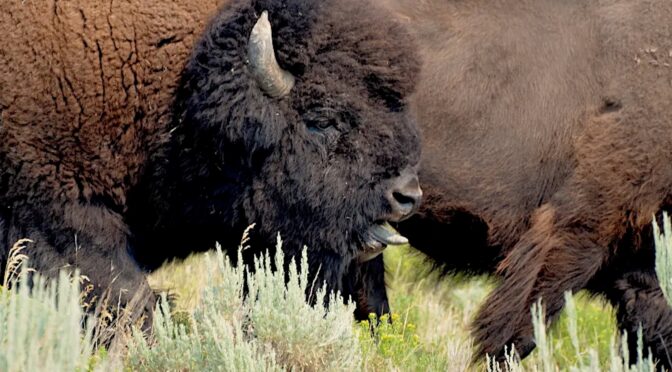
Years ago, I traveled to a location where someone had illegally killed a buffalo. The animal had not been taken for meat. Its head had been removed with a chainsaw, and the rest of the massive animal had been left behind to rot.

Seeing something like that changes the way you look at wildlife crime.

That incident is one of several disturbing cases I explore in a new episode of Dark Outdoors, “He Beheaded the Buffalo With a Chainsaw.”

Listen to the full episode:

Apple Podcasts:
https://podcasts.apple.com/us/podcast/he-beheaded-the-buffalo-with-a-chainsaw/id1630809603?i=1000788246698

Spotify:
https://open.spotify.com/episode/4SG6LVStcRBMSyRKn54uMQ?si=39034865b8234bbf

The Truly Dark Side of Poaching

People sometimes use the word “poaching” almost casually. Someone shoots a deer out of season. Someone keeps too many fish. Someone kills an animal without the proper license.

Those are wildlife violations, but after years of covering the outdoors, I have encountered another level of wildlife crime entirely.

These are cases involving people who kill simply to possess a trophy, criminals willing to intimidate the officers investigating them and an international black market capable of turning some of the world’s most magnificent animals into commodities.

The buffalo case was one of my earliest firsthand encounters with that world.

There is something difficult to describe about standing near an enormous animal that has been killed illegally and simply discarded. Whoever did it wanted one thing—the head.

Everything else was waste.

It wasn’t hunting. It wasn’t conservation. And it certainly wasn’t respect for wildlife.

When Game Wardens Become the Targets

One of the things that gets lost in conversations about poaching is the danger faced by the men and women investigating wildlife crimes.

Game wardens often work alone in isolated places, frequently at night and sometimes many miles from immediate backup. They routinely encounter people carrying firearms, and they have to determine whether they are dealing with an ordinary hunter who made a mistake or someone willing to commit much more serious crimes.

In the new Dark Outdoors episode, I discuss one case that has stuck with me for years. It involved shots being fired into a game warden’s home.

On Christmas Eve.

Think about what that means. Someone wasn’t simply trying to avoid getting caught violating a wildlife law. A line had been crossed from wildlife crime into intimidation and violence directed toward the person enforcing those laws.

That is a side of the game warden profession most outdoorsmen will thankfully never experience.

Wildlife Crime Goes Far Beyond Texas

The scale becomes even more disturbing when wildlife trafficking enters the picture.

Wildlife is valuable, sometimes extraordinarily valuable. Rare animals, skins, horns, skulls, teeth, claws and other wildlife parts can move through illegal markets stretching across international borders. The U.S. Fish and Wildlife Service maintains a specialized law-enforcement presence devoted to combating this kind of trafficking.

And sometimes what investigators discover seems almost unbelievable.

One of the cases I discuss in the podcast involved a coat smuggled into the United States that had been made from jaguar skins.

Not one jaguar.

Five.

That image has never really left me. Jaguars are among the most spectacular predators on Earth. To think of five of them reduced to the material for a single coat says something about the mentality behind the darkest reaches of the wildlife trade.

This Isn’t Hunting

I am a hunter, and I make no apologies about that.

Legal, regulated sport hunting is an important part of wildlife conservation in North America. Hunters provide substantial conservation funding through licenses, permits, excise taxes on firearms and ammunition and direct support of wildlife and habitat programs. Hunting also plays an important role in wildlife management.

But what I am describing here is not hunting.

Poaching is wildlife crime. Killing animals illegally for trophies, money or sheer destruction has nothing to do with the ethical pursuit of game under laws and regulations designed to conserve wildlife.

The distinction becomes especially obvious when an animal is killed merely so someone can cut off its head, when protected wildlife is trafficked for profit or when law-enforcement officers and their families are threatened because someone doesn’t want to face the consequences of his actions.

I have spent much of my life around hunters, anglers, wildlife professionals and conservationists. The people I respect in the hunting community have something in common: respect for the animal matters. Conservation matters. What happens to wildlife tomorrow matters.

Someone who illegally kills a buffalo, removes its head with a chainsaw and leaves the rest of that magnificent animal to rot is operating from an entirely different mindset.

These aren’t hunting stories.

They’re crime stories that happen to involve wildlife.

The Detail I Still Remember

There is another element of the buffalo story that has always stayed with me. It wasn’t simply the brutality of what had been done.

It was the waste.

A buffalo is an enormous animal. Standing there and seeing what remained after someone had taken what they wanted made the crime feel different from reading a citation in a game warden report or hearing about an illegal kill secondhand.

The person responsible apparently saw that animal as little more than a trophy attached to a body that could be discarded.

That is one of the reasons I wanted to tell this story on Dark Outdoors. Wildlife crime can sound abstract until you see the aftermath. Then it becomes very real.

And the deeper you look into these cases, the stranger—and sometimes more dangerous—they become.

There are additional details in the episode about the buffalo case, the threats faced by wildlife officers and some of the bizarre things federal wildlife agents have intercepted that I won’t reveal here.

Listen to “He Beheaded the Buffalo With a Chainsaw” on Dark Outdoors:

Apple Podcasts:
https://podcasts.apple.com/us/podcast/he-beheaded-the-buffalo-with-a-chainsaw/id1630809603?i=1000788246698

Spotify:
https://open.spotify.com/episode/4SG6LVStcRBMSyRKn54uMQ?si=39034865b8234bbf

You Can Help Stop Wildlife Crime

The public plays an important role in helping game wardens catch poachers.

In Texas, suspected wildlife, fishing and boating violations can be reported through Operation Game Thief, the state’s wildlife crime-stoppers program.

If you witness a violation, don’t confront the suspect. Observe from a safe distance and gather useful information when it can be done safely—location, vehicle description, license plate, description of the individuals involved and what you witnessed.

Then report it.

Operation Game Thief: 1-800-792-GAME (4263)

Anonymous tips can also be submitted by texting TXOGT followed by the tip information to 847411.

Texas Parks and Wildlife Department says Operation Game Thief dispatchers are available 24 hours a day, seven days a week, and tipsters may be eligible for rewards when information leads to a conviction.

Wildlife crime doesn’t always happen where a game warden can see it. Sometimes the difference between a poacher getting away and being caught is an outdoorsman, landowner, angler or passerby who decides to make one phone call.

Protecting wildlife isn’t only about protecting animals. Sometimes it means standing against the people who exploit them.

Because the outdoors has a dark side.

Chester Moore

Follow Chester Moore on the following social media platforms

Chester Moore’s YouTube.

@thechestermoore on Instagram

@gulfgreatwhitesharksociety on Instagram

To support the efforts of Higher Calling Wildlife® click here.

Subscribe to the Dark Outdoors podcast on all major podcasting platforms.

Higher Calling Wildlife on Facebook

Email Chester at chester@chestermoore.com.
The Texas Killing Fields: A Personal Encounter and Breaking News in a Decades-Old Mystery

In 1997, my wife Lisa and I were driving to Pasadena, Texas, to visit a friend when we came upon a scene we would never forget. Police and investigators had converged near a retention pond, and although we knew something serious had happened, we had no idea what we had just driven into.

Laura Smither

We would soon learn that the body of 12-year-old Laura Smither, who had disappeared while jogging near her Friendswood home, had been discovered there that very day. Nearly three decades later, I returned to that moment for a new episode of Dark Outdoors® and began digging into Laura’s case, serial killer William Reece and the disturbing history of the Texas Killing Fields. What I found takes the story far beyond what Lisa and I witnessed that heartbreaking day that still has an impact on both of us.

I’m not going to tell the rest of that story here. I want you to hear it the way it was meant to be told. Listen to the new episode of Dark Outdoors® for our personal connection to the Laura Smither case and a deeper investigation into the Texas Killing Fields.

Apple Podcasts:
https://podcasts.apple.com/us/podcast/texas-killing-fields-justice-after-42-years/id1630809603?i=1000787710625

Spotify:
https://open.spotify.com/episode/6djew5Zlf7zkka56cSkkf5

Follow and subscribe to Dark Outdoors® so you don’t miss what’s coming next—because the outdoors has a dark side.

And the timing of this episode could hardly be more remarkable. Just as it was being released, one of the most infamous chapters in Texas Killing Fields history suddenly produced major news after more than four decades.

Breaking News From the Texas Killing Fields

On Sept. 2, 2026, a Galveston County jury found James Dolphs Elmore Jr. guilty of manslaughter in the death of 16-year-old Laura Miller. The following day, Elmore was sentenced to 20 years in prison, the maximum punishment for the charge.

Miller disappeared in 1984, and her remains were discovered 17 months later in the infamous Calder Road field in League City. She was one of four women whose bodies were found at that location between 1984 and 1991, along with Heidi Fye-Villareal, Audrey Cook and Donna Prudhomme.

The Elmore verdict is historic. More than four decades after Miller disappeared, he became the first person convicted in connection with the death of any of the four women whose bodies were discovered at the Calder Road site.

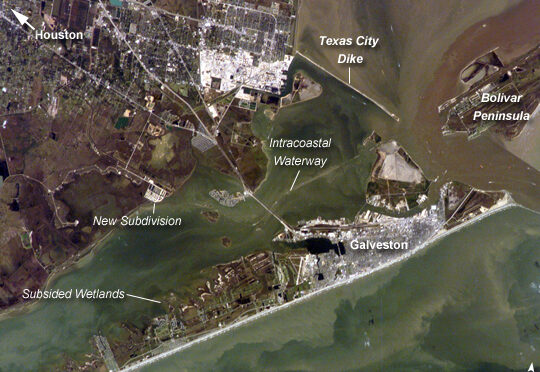
The development puts new attention on cases that have haunted the Houston-Galveston area for decades. The term “Texas Killing Fields” has been applied more broadly to a string of murders and disappearances involving girls and young women along the Interstate 45 corridor between Houston and Galveston. Authorities have investigated numerous cases in the region, and the evidence has pointed not toward one predator responsible for everything, but potentially multiple killers operating across different periods.

That is one of the things that makes the history of this region so disturbing.

Where Civilization Meets Isolation

The geography itself is part of the story. Interstate 45 runs through heavily populated communities, but not far from the freeway are marshes, bayous, fields, industrial areas, drainage systems and isolated stretches of road. Development and wild country can exist remarkably close together.

For most people, these are simply pieces of the Gulf Coast landscape. For someone with predatory intentions, however, an isolated road or forgotten field can offer something entirely different: access, concealment and a quick route back toward a major highway and millions of people.

That is also why this story belongs on Dark Outdoors®.

We often think of outdoor danger in terms of wildlife. Bears, mountain lions, sharks and venomous snakes command our attention because they represent predators we instinctively understand. Yet some of the darkest stories connected to woods, marshes, trails, rural roads and isolated places involve a very different kind of predator.

Human beings.

The Texas Killing Fields are an extreme example of what can happen along that boundary between civilization and isolation. You don’t necessarily have to travel deep into wilderness to become vulnerable. Sometimes the darkness exists only a few turns off a busy highway.

A Story That Isn’t Over

The conviction of James Elmore is a reminder that even after four decades, investigators and families have not necessarily reached the end of these stories. Advances in forensic science, renewed investigations and people willing to keep asking questions can bring movement to cases that once seemed destined to remain mysteries.

There are still unanswered questions surrounding the Texas Killing Fields, and there are families who have waited decades for answers. The Calder Road cases represent only one part of a much larger and darker history along the I-45 corridor.

For me, though, this story will always lead back to that day in 1997 when Lisa and I drove toward Pasadena and unexpectedly found ourselves on the edge of something terrible. At the time, we didn’t understand what we were seeing or how that moment connected to a much larger story.

Nearly 30 years later, I went back to it.

Hear that story—and much more—in the new episode of Dark Outdoors®.

Apple Podcasts:
https://podcasts.apple.com/…/dark-outdoors/id1630809603

Spotify:
https://open.spotify.com/episode/6djew5Zlf7zkka56cSkkf5

Follow and subscribe to Dark Outdoors® wherever you listen to podcasts.

Because the outdoors has a dark side.

Chester Moore

Follow Chester Moore on the following social media platforms

Chester Moore’s YouTube.

@thechestermoore on Instagram

@gulfgreatwhitesharksociety on Instagram

To support the efforts of Higher Calling Wildlife® click here.

Subscribe to the Dark Outdoors podcast on all major podcasting platforms.

Higher Calling Wildlife on Facebook

Email Chester at chester@chestermoore.com.
Five Things I Don’t Ignore in Remote Country

By Chester Moore

I’ve spent a large portion of my life going into places most people would consider remote.

I’ve traveled into mountain country looking for wildlife, walked swamps and forests, spent countless hours around Gulf Coast marshes and ventured into isolated areas with cameras, fishing rods and sometimes nothing more than curiosity and a desire to see what was around the next bend.

One thing I’ve learned is that the outdoors usually gives you information before it gives you trouble.

The problem is we’re not always paying attention.

Situational awareness isn’t about walking through the woods afraid of everything that moves. In fact, fear can make you less observant because you’re interpreting every sound as a threat. Awareness means understanding what should be happening around you well enough to notice when something doesn’t fit.

Here are five things I don’t ignore when I’m in remote country.

1. Human Activity That Doesn’t Match the Location

This is probably at the top of my list.

If I’m somewhere genuinely remote and suddenly start seeing an unusual amount of human sign, I pay attention. A few boot tracks aren’t concerning. Neither are ATV tracks in an area where people commonly ride or hunters have access.

It’s the context that matters.

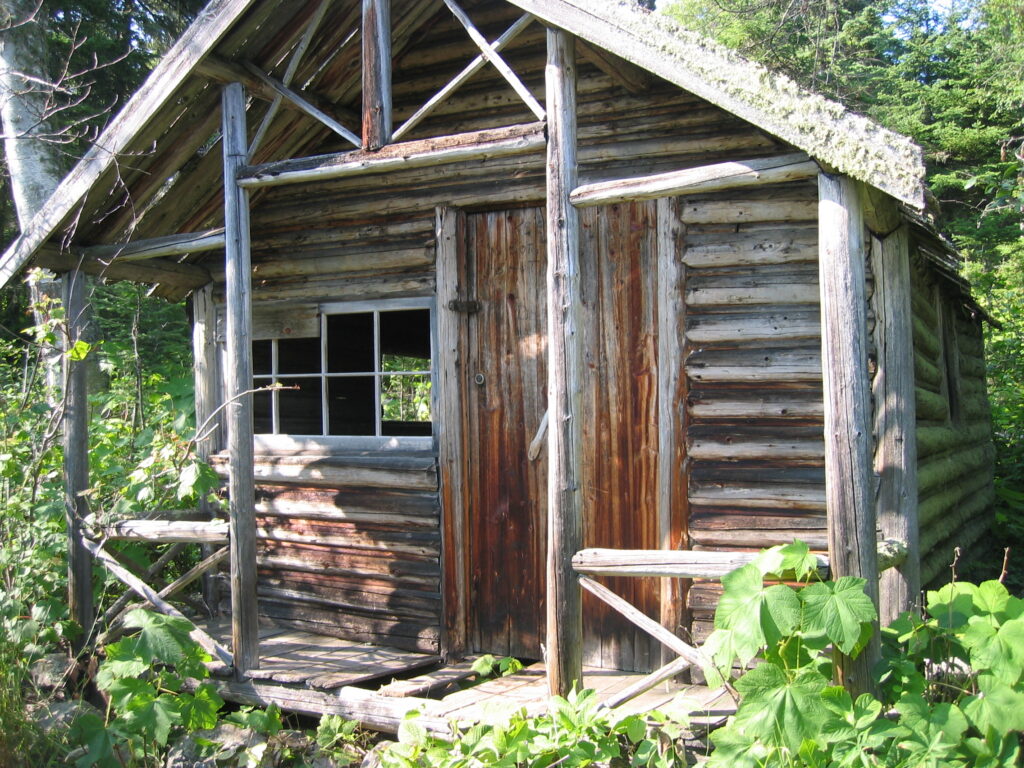
A heavily traveled trail in a place where there shouldn’t be much foot traffic gets my attention. So do repeated vehicle tracks leading into an isolated area, makeshift camps in unusual locations, large amounts of trash or other evidence suggesting people are spending considerable time somewhere that doesn’t seem to have an obvious recreational purpose.

I learned this lesson firsthand when I once stumbled into an area associated with a meth lab.

That changed the way I view human sign in remote places.

I’ve spent much of my career writing about wildlife capable of hurting people, but an encounter with a criminal who thinks you’ve discovered something you shouldn’t have can be far more unpredictable than an encounter with an animal.

I don’t investigate suspicious activity simply because I’m curious. If something genuinely doesn’t look right, creating distance is usually a better option than finding out exactly what is happening.

2. Wildlife Suddenly Acting Differently

Wild animals notice things long before we do.

Anyone who hunts understands this. A deer staring intensely into cover has probably detected something. Birds giving alarm calls might be responding to a predator. Squirrels barking repeatedly aren’t necessarily upset about you.

I pay particular attention when several animals seem focused on the same area.

That doesn’t mean Bigfoot is standing behind the nearest oak tree. There are plenty of perfectly ordinary explanations. A bobcat, coyote, fox, snake, hawk or human can change the behavior of animals around it.

The important thing isn’t immediately identifying what’s causing the reaction. It’s recognizing that something has changed.

People sometimes talk about the woods suddenly becoming completely silent as if it is proof that a major predator is nearby. Nature isn’t quite that simple. Temperature, weather, time of day and countless other factors influence animal and insect activity.

But if I’ve been listening to normal woodland activity and there is an obvious behavioral shift around me, I’m going to notice it.

The animals might know something I don’t.

3. Fresh Predator Sign Where I Didn’t Expect It

Finding a predator track doesn’t automatically mean you’re in danger.

I’ve photographed and studied predators for decades, and one of the biggest mistakes people make is assuming the presence of a predator means an attack is imminent. Most wild predators want absolutely nothing to do with us.

Still, fresh sign deserves attention.

A bear track around a campground means something different than an old track several miles down a trail. Fresh mountain lion sign near a kill deserves considerably more attention than an isolated print. Coyote tracks are common across huge portions of America, but repeated sign around a campsite where food has been left accessible tells you something about animal behavior.

The details matter.

How fresh is the sign? Is there food nearby? Are there cubs or young animals involved? Is the animal repeatedly using the same location? Does it appear to be associating people with food?

I don’t panic when I find predator sign.

I use it as information.

Knowing what’s sharing the country with you allows you to make better decisions about what you do next.

4. Something That Has Been Deliberately Hidden

This one immediately gets my attention.

There is a difference between finding something somebody lost and finding something somebody obviously didn’t want discovered.

An abandoned backpack beside a popular trail might have an innocent explanation. Something carefully concealed deep in brush is different. So are containers, equipment or other objects deliberately hidden in places where they don’t seem to belong.

I don’t start opening things.

There are too many possibilities, and some of them aren’t good.

The object could be related to hunting or someone’s legitimate outdoor activity. It could be old trash. It could also be connected to illegal activity, hazardous material or something authorities would rather have examined without somebody handling it first.

I’ve always had a strong investigative streak. It’s part of what led me into journalism and wildlife work in the first place.

Remote country, however, is not the place to let curiosity override common sense.

If someone went through considerable effort to make sure an object wasn’t easily seen, I don’t assume they were hoping I’d come along and investigate it.

5. My Own Instinct That Something Has Changed

This one is difficult to quantify, but I don’t dismiss it.

People sometimes describe getting a strange feeling in the woods. The hair stands up on the back of their neck. They suddenly feel watched or simply become convinced something isn’t right.

That doesn’t mean anything paranormal is happening.

Our brains constantly process information we’re not consciously concentrating on. Maybe you heard a sound that didn’t register clearly. Perhaps movement occurred at the edge of your peripheral vision. Maybe the normal background noise changed, or you noticed a smell you couldn’t immediately identify.

Sometimes your brain puts those pieces together before your conscious mind does.

I’ve learned not to automatically dismiss that reaction.

At the same time, I don’t let imagination take control. Being alone in darkness can make an ordinary raccoon sound enormous, and exhaustion can make familiar surroundings feel completely different.

The key is using that feeling as a reason to become more observant rather than more frightened.

Stop for a moment and look around. Listen. Check the wind. Look behind you. Pay attention to what wildlife is doing and see whether there is anything tangible that explains why your level of awareness suddenly increased.

Maybe you’ll discover nothing.

That’s fine.

Situational awareness isn’t about proving that danger exists. It’s about noticing potential danger early enough that you still have options.

Pay Attention to What Doesn’t Fit

The outdoors isn’t inherently sinister.

I’ve spent enough time in wild places to know the overwhelming majority of strange sounds, tracks and movements eventually have completely natural explanations. An unexplained scream might be a fox. Eyes glowing beyond the fire could belong to a raccoon. The huge animal crashing through brush might turn out to be an armadillo making considerably more noise than something that size should be capable of producing.

But I’ve also learned not to ignore things simply because I can’t immediately explain them.

The most important outdoor skill isn’t necessarily shooting, tracking, fire building or navigation, although all of those can matter tremendously.

Sometimes it’s simply paying attention.

Notice the trail that shouldn’t have that much traffic. Watch the animals that suddenly become alarmed. Examine the fresh tracks before walking farther. Don’t handle the object somebody obviously tried to conceal, and don’t automatically dismiss the internal warning telling you to pay closer attention.

You don’t have to be afraid of remote country to respect it.

You just have to remember that when you’re miles from the nearest road, noticing something five minutes earlier can make a tremendous difference in what happens next.

Follow Chester Moore on the following social media platforms

Chester Moore’s YouTube.

@thechestermoore on Instagram

@gulfgreatwhitesharksociety on Instagram

To support the efforts of Higher Calling Wildlife® click here.

Subscribe to the Dark Outdoors podcast on all major podcasting platforms.

Higher Calling Wildlife on Facebook

Email Chester at chester@chestermoore.com.
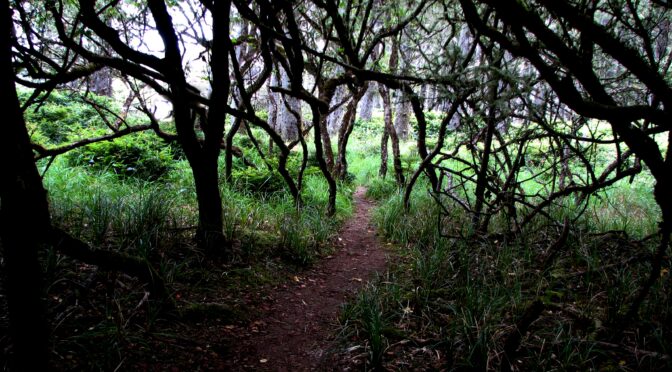
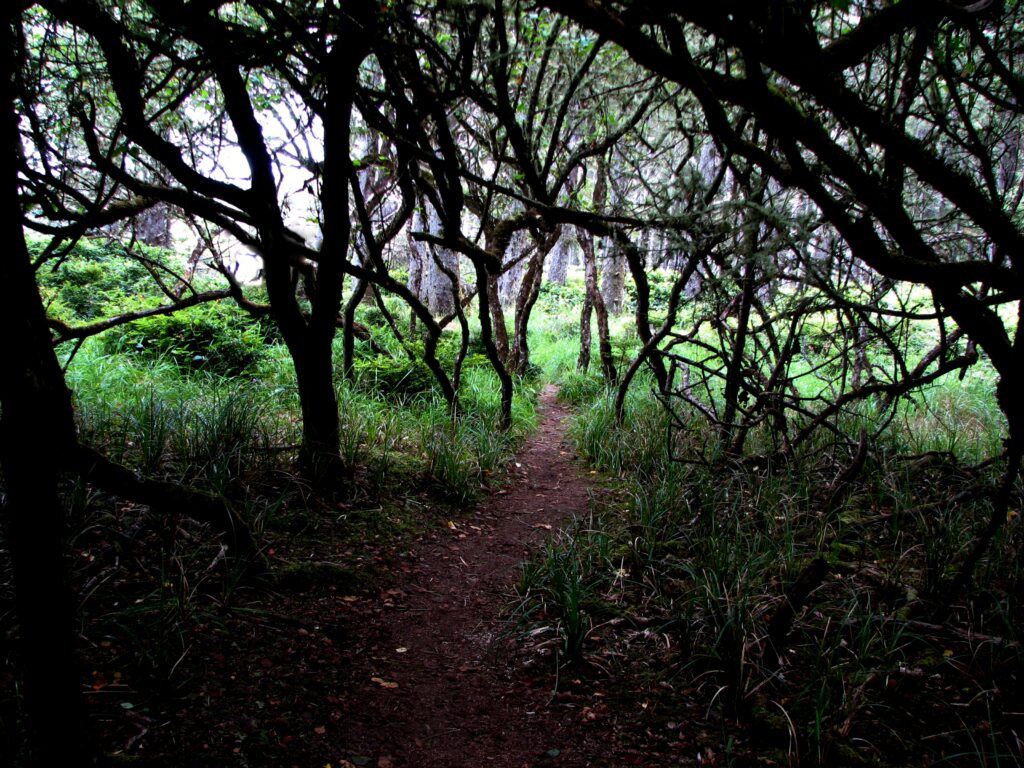
The Trail That Shouldn’t Be There: A Dark Warning in Remote Country

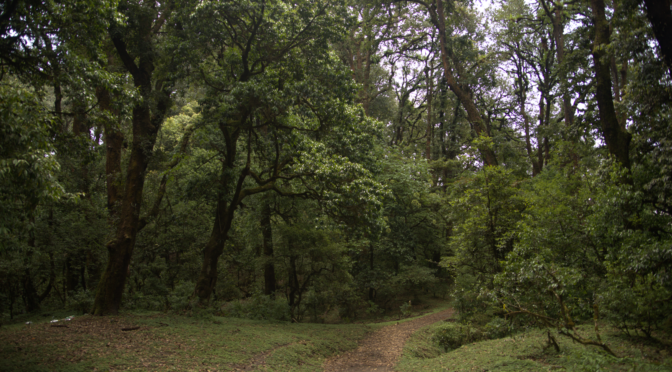
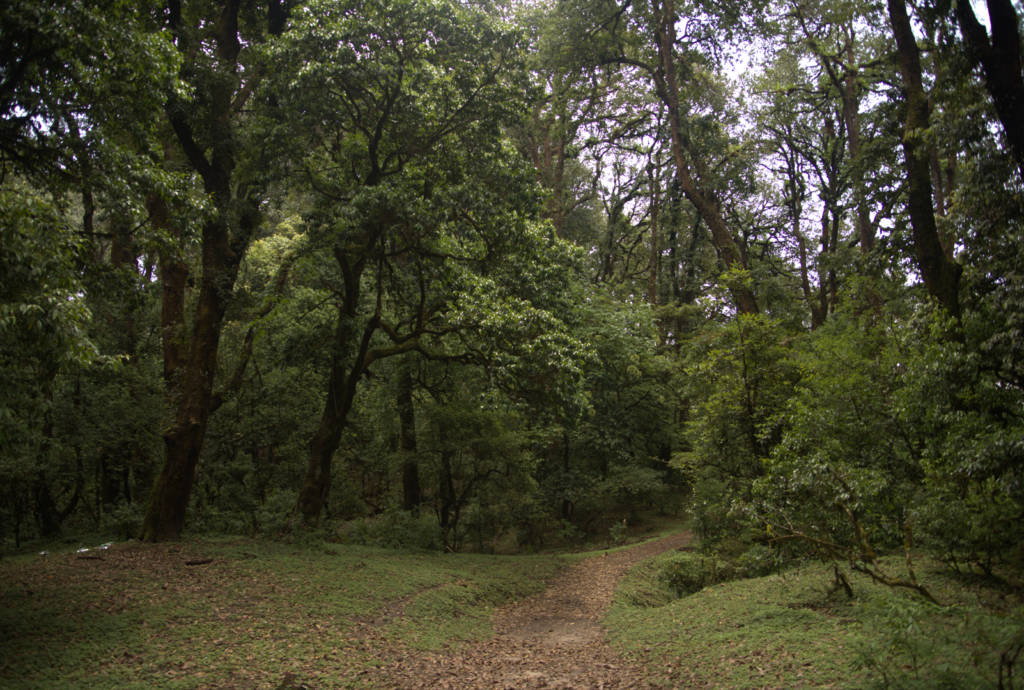
There are certain things you expect to find when you get deep into wild country. Game trails winding through timber are normal, as are tracks from hunters, hikers and fishermen in places where people have legitimate reasons to travel. An old logging road cutting through a forest or ATV tracks on public land aren’t automatically anything to worry about.

But sometimes the amount of human activity doesn’t match the location, and that’s when I start paying attention.

One of the most important outdoor safety lessons I can give anyone who spends time hiking, hunting, fishing, photographing wildlife or exploring remote country is to notice human sign that doesn’t make sense. If you’re miles from where you would expect much activity and suddenly encounter heavily worn footpaths, repeated tire or ATV tracks, unusual amounts of trash or makeshift camps in strange locations, don’t automatically assume you’ve discovered an interesting place to explore. There might be a perfectly innocent explanation, but sometimes the smartest move you can make outdoors is turning around.

I’ve learned that firsthand. Years ago, I was exploring an area when I began noticing things that didn’t fit. There was too much evidence of people for the location, and eventually I found out why. I had stumbled into an area associated with a meth lab.

That experience permanently changed the way I look at human sign in isolated places. Wildlife gets most of the attention when outdoor danger is discussed, but I’ve spent decades investigating dangerous wildlife encounters and strange situations in the woods, and some of the circumstances that concern me most involve people. A bear generally has a reason for what it does, and so does a venomous snake. A criminal who believes you’ve discovered something you weren’t supposed to see introduces an entirely different kind of danger.

When Human Sign Doesn’t Fit

People who learn tracking are usually taught to look for wildlife sign. Tracks, scat, rubs, beds and feeding activity can reveal an incredible amount about what animals are doing in an area, but I think outdoorsmen should learn to read human sign as well.

Context is everything. A well-used trail half a mile from a popular campground isn’t unusual, and tire tracks around a hunting lease during deer season aren’t mysterious. Beer cans around an easily accessible fishing hole might be disgusting, but they’re unfortunately not surprising. The situation changes when you’re deep in an isolated area where the amount or type of activity seems completely out of proportion with the surroundings.

Maybe you’re following an obscure trail and discover another path that looks far more heavily traveled than anything around it. Perhaps repeated vehicle tracks lead somewhere that doesn’t appear to have any recreational reason for traffic. You might find discarded supplies, unusual camps or other evidence suggesting people are spending substantial amounts of time in a place where you wouldn’t expect anyone to be.

None of those things automatically means criminal activity is occurring, and that’s important to remember. There can be perfectly innocent explanations for unusual activity in the woods, and you shouldn’t convince yourself that every piece of trash or tire track belongs to some criminal operation. At the same time, you aren’t obligated to satisfy your curiosity and find out what’s at the end of every strange trail.

That’s probably the biggest lesson I took from my own experience. When something doesn’t feel right, you don’t win anything by discovering exactly what’s happening.

You Don’t Need to Investigate

There is a natural tendency among outdoorsmen to explore. That’s part of why we’re out there in the first place. We want to know what’s over the next ridge, where an old logging road goes or what is around the next bend in a creek. I’ve built much of my career around that same curiosity.

But there are times when curiosity can get you into serious trouble.

If you encounter something that genuinely causes you to suspect illegal activity in a remote location, create distance and get out. You don’t need photographs, you don’t need to walk another hundred yards to see where the trail goes, and you certainly don’t need to confront anyone. Once you’re somewhere safe, authorities can determine whether what you saw deserves investigation.

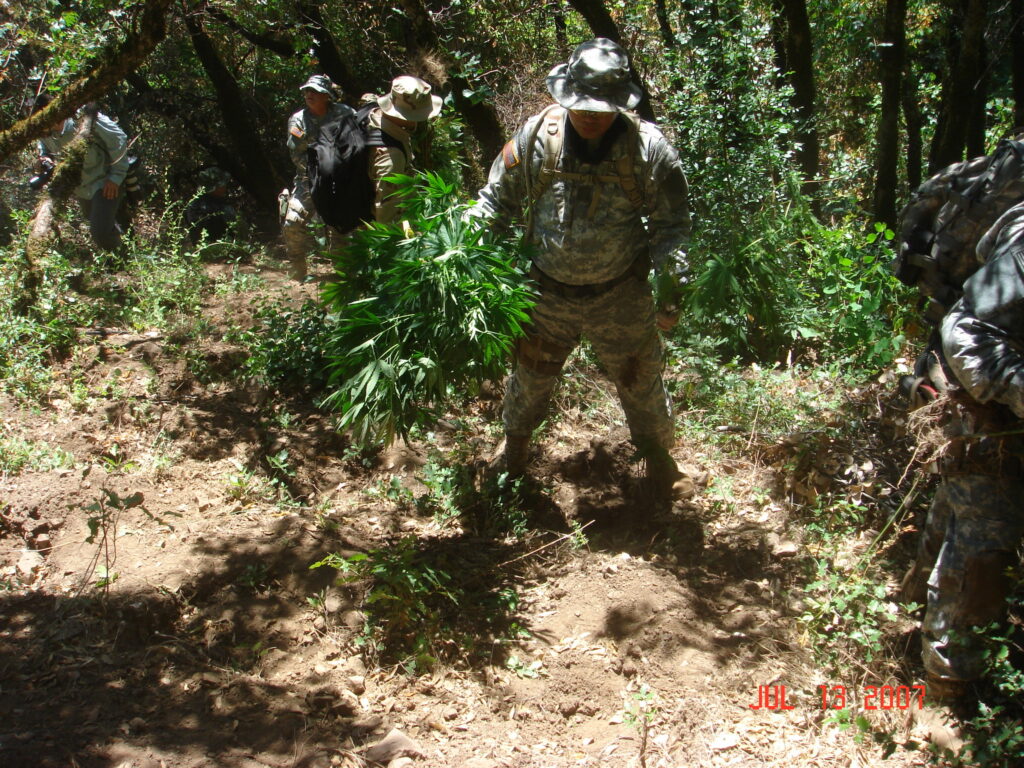
Illegal activity in wild places isn’t limited to one thing. Over the years, law enforcement agencies have encountered clandestine drug operations, illegal marijuana grows, smuggling activity, stolen property and other criminal enterprises in isolated outdoor areas. Remote country provides exactly what criminals sometimes want: fewer witnesses and less chance of somebody accidentally wandering through.

The problem is that outdoorsmen do wander through. Hunters follow game, anglers explore creeks, wildlife photographers move off established routes looking for animals and hikers wonder where old trails lead. That sense of exploration is one of the things I love most about the outdoors, but it also means we can accidentally enter places where someone desperately doesn’t want visitors.

The Dark Side of Illegal Grows

Illegal growing operations provide a particularly disturbing example.

The marijuana landscape has changed dramatically in America, but legalization in various states did not make illegal grows disappear. Unauthorized cultivation has continued on public and private lands, and some operations have been associated with organized criminal activity. These sites can also have serious environmental consequences involving habitat destruction, trash, water diversion and chemicals that threaten wildlife and waterways.

For the person who accidentally discovers one, however, the immediate concern is much simpler: Who is protecting it?

I’ve collected frightening accounts involving people who encountered growing operations or suspicious activity in remote country. One of the areas that inevitably comes up in discussions of this subject is Northern California’s so-called “Murder Mountain” region, which became internationally known through the Netflix documentary series examining disappearances, crime and the underground marijuana economy surrounding Humboldt County.

One of the stories we’ve discussed through Dark Outdoors involves an encounter near that infamous region. Another account involved something that sounds like it came straight out of a horror movie—a trained dog being sent after a hiker who had discovered a growing area.

Think about how quickly the normal rules of outdoor safety change in that situation. You’re hiking through the woods, realize you’ve walked into someplace you probably shouldn’t be and suddenly your concern isn’t a mountain lion, bear or rattlesnake. It’s a dog being deliberately used against you by another human being.

That is an entirely different category of outdoor threat.

Sometimes People Are the Biggest Danger

A major part of what I do with Dark Outdoors involves examining the things that can go wrong beyond the pavement. Some of those stories involve wildlife, and I’ve investigated animal attacks and encounters with bears, sharks, big cats, venomous animals and other creatures capable of seriously injuring or killing a person.

I respect those threats, but wildlife behavior often has patterns we can learn. We can study bear behavior and understand circumstances that increase the potential for conflict. We can learn where venomous snakes are likely to be encountered. We can study how mountain lions hunt and what might cause one to behave unusually around people. Knowledge doesn’t eliminate danger, but it gives us tools for reducing risk.

Human beings are harder to predict.

Someone protecting an illegal operation might be frightened you’re going to report them. They might be under the influence of drugs. They might be armed, desperate, paranoid or violent, and you have no way of knowing what you’re dealing with.

That’s why recognizing the situation before you walk into the middle of it matters so much.

Read the Country Around You

I believe strongly in situational awareness outdoors. That means occasionally stopping and actually looking at what’s around you instead of moving constantly toward your destination.

Ask yourself what has changed. Are you suddenly seeing more human tracks? Is there vehicle traffic where you wouldn’t expect it? Has a barely visible trail become heavily worn? Are there signs people are staying in an isolated area for extended periods? Does something simply seem out of place?

None of these observations should turn you into a paranoid wreck every time you go into the woods. Millions of people enjoy America’s wild places without encountering anything remotely like an illegal operation. The point isn’t to be afraid of every footprint you find. The point is to remain aware of your surroundings and recognize when the evidence around you doesn’t fit the location.

Outdoorsmen already use this kind of thinking constantly. A deer hunter notices a fresh scrape and starts considering how recently a buck passed through. A fisherman sees nervous bait along a shoreline and starts looking for predators. A turkey hunter finds tracks crossing a road and knows birds are using the area. A wildlife photographer hears alarm calls and realizes something has disturbed the animals nearby.

We recognize patterns because patterns tell us what’s happening around us. Human patterns deserve the same attention.

Don’t Let Curiosity Make the Decision

I understand the temptation to investigate something strange better than most. My career has been built around asking questions, investigating wildlife mysteries, following unusual reports and going places where interesting things have happened. Dark Outdoors itself exists partly because I’m fascinated by the things that happen beyond the edges of normal civilization.

But there is a difference between investigating a story and blindly walking into a potentially dangerous situation.

If you’re alone in remote country and discover convincing signs that something illegal might be occurring, you aren’t law enforcement and you aren’t obligated to solve the mystery. Back out the way you came if that’s the safest route, avoid confrontation and don’t announce your presence. Don’t handle suspicious materials or enter structures simply to see what’s inside. Once you’re safely away, provide authorities with whatever useful information you can remember about the location and what you observed.

There is no discovery or story worth getting hurt over, and there is certainly no reason to risk a confrontation simply because you want to know what’s at the end of a trail.

The Trail That Doesn’t Belong

I still love finding obscure trails. There is something irresistible about an old path disappearing into timber or a forgotten road cutting through country that looks like it hasn’t changed in decades. Those places are part of what makes exploring the outdoors special.

My experience stumbling into an area associated with a meth lab, however, taught me something I’ll never forget. Not every trail is there for hikers, not every camp belongs to hunters and not everyone who chooses an isolated location wants to be found.

So when you’re deep in remote country and the amount of human activity suddenly doesn’t match the surroundings, pay attention before allowing curiosity to pull you farther down the trail. Sometimes the most important sign in the woods isn’t a bear track, mountain lion print or the impression of a big snake crossing the trail.

It might be a human footprint in a place where you weren’t expecting to find one.

Dark Outdoors investigates terrifying encounters, unsolved mysteries, true crime and dangerous wildlife. Hear more accounts involving illegal operations and other frightening encounters from the backcountry at https://linktr.ee/darkoutdoorspodcast.

Because the outdoors has a dark side.

Chester Moore

Follow Chester Moore on the following social media platforms

Chester Moore’s YouTube.

@thechestermoore on Instagram

@gulfgreatwhitesharksociety on Instagram

To support the efforts of Higher Calling Wildlife® click here.

Subscribe to the Dark Outdoors podcast on all major podcasting platforms.

Higher Calling Wildlife on Facebook

Email Chester at chester@chestermoore.com.
The Nancy Guthrie Case, Part 2: The High-Tech Predator?

Predators evolve.

Anyone who spends enough time outdoors understands that reality. Mature whitetails alter their travel patterns when hunting pressure increases. Coyotes quickly learn to avoid traps and adapt to suburban neighborhoods, slipping through drainage ditches and greenbelts where few people ever notice them. Even mountain lions adjust their movements to avoid human activity while taking advantage of opportunities their prey never sees coming.

Human predators evolve as well.

That thought stayed with me after spending more than an hour talking with Daniel of the Drunk Turkey Show about the disappearance of Nancy Guthrie. In Part One of this series, we explored how the isolation of the Arizona desert may have worked to the advantage of whoever abducted her. The winding roads, sparse development, weak cellular coverage and dark-sky ordinances created an environment where someone familiar with the terrain could move with confidence while remaining remarkably difficult to detect.

Listen to “High-Tech Predator? The Nancy Guthrie Case – Part 2” here:

🎧 Spotify:
https://open.spotify.com/episode/1e93LfvHz4PpL5jTDwiBQ0?si=Satgg9hiSCaNMjuoFtnyKA

🍎 Apple Podcasts:
https://podcasts.apple.com/us/podcast/high-tech-killer-the-nancy-guthrie-case-part-2/id1630809603?i=1000779803058

🌲 Listen on your favorite platform:
https://linktr.ee/darkoutdoorspodcast

If you enjoy Dark Outdoors, please follow the show, leave a rating and review, and share this episode with someone who enjoys true crime, the outdoors, and investigative storytelling.

As our conversation continued, however, Daniel shifted the discussion in a different direction. His focus wasn’t simply on the landscape. He wondered whether the person responsible possessed something else that has become increasingly valuable to modern criminals: a sophisticated understanding of technology.

“I’ve been saying this for a minute that I think he’s very tech-savvy,” Daniel said during our interview. It wasn’t presented as a conclusion supported by investigators, but as an observation based on publicly known details surrounding the case and how the offender appeared to operate. That distinction matters. The goal isn’t to assign capabilities that law enforcement hasn’t confirmed. Instead, it’s to examine a broader question that extends far beyond one investigation.

Have violent predators begun evolving faster than many of us realize?

For generations, outdoorsmen learned to read physical sign. A fresh boot print crossing a sandy wash, broken mesquite limbs along a game trail or tire tracks disappearing onto an isolated ranch road could tell an experienced observer a remarkable story. Today’s investigators still read those clues, but they have also become students of an entirely different landscape. Cell phone records, GPS data, vehicle telematics, surveillance cameras, Bluetooth connections and cloud storage now reveal patterns that simply didn’t exist twenty years ago.

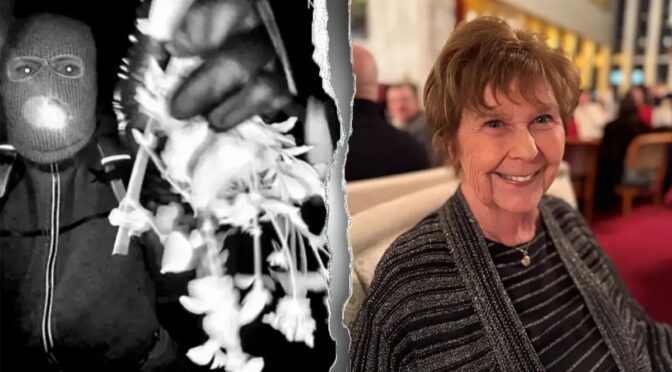
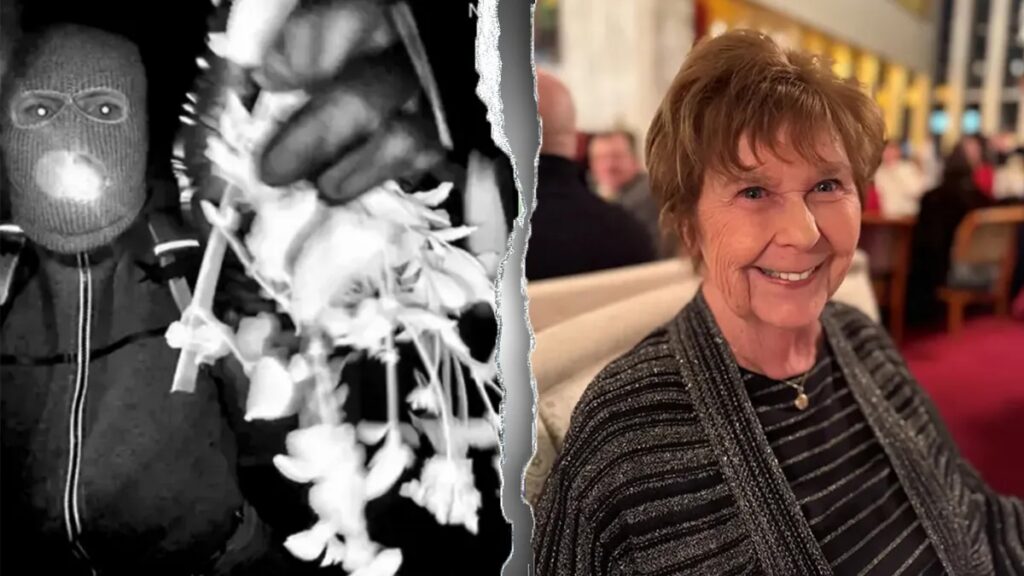
Ironically, the Nancy Guthrie investigation demonstrates that point. Publicly released evidence shows investigators were eventually able to recover valuable images from a doorbell camera that initially appeared inaccessible. Those recovered images, showing a masked individual outside the residence carrying a backpack, became one of the most important publicly released developments in the case. The recovery itself illustrates something every investigator understands: digital evidence often survives even when people believe it has disappeared.

That technological landscape works both ways.

It provides investigators with powerful tools, but it also gives offenders opportunities previous generations never possessed. Consumer drones can map remote terrain. Public satellite imagery allows anyone to examine neighborhoods from a computer. Social media often reveals routines, favorite hiking trails and even when someone is away from home. Fitness apps, geotagged photographs and online property records create an enormous amount of publicly available information that can be used for entirely legitimate purposes—or exploited by someone with criminal intent.

One of the more interesting moments in my conversation with Daniel involved the backpack visible in the recovered surveillance images. The FBI has publicly identified the apparent model in hopes someone recognizes it, but beyond that, little has been confirmed. Daniel discussed theories circulating among independent researchers about what someone operating in such an isolated environment might choose to carry, including the possibility of modern electronic equipment. There is no public evidence that investigators have concluded a drone or similar technology was used in this case, and it would be irresponsible to suggest otherwise. Still, the discussion highlights how dramatically the landscape has changed. Today’s offenders have access to equipment that once belonged exclusively to the military or specialized law enforcement units.

That reality shouldn’t create fear. It should encourage awareness.

One of the recurring themes throughout my work on Dark Outdoors is that the greatest dangers in wild places often don’t come from wildlife. They come from people willing to exploit those places. Hunters, anglers, hikers and campers routinely venture into areas where cell service is weak, neighbors are miles away and help may take precious minutes to arrive. Those same conditions that make the outdoors appealing can also provide opportunities for someone intent on doing harm.

One point Daniel and I agreed on throughout our conversation is that no amount of technology replaces awareness. Criminals may become more sophisticated, but so can the people who enjoy the outdoors. Hunters have always been observant by necessity. They notice a truck parked where one normally isn’t. They recognize fresh tire tracks on a lease road or an unfamiliar camp set up in a remote area. Anglers often remember the vehicle parked at the boat ramp before daylight or the person who seemed more interested in watching people than fishing.

Those instincts remain just as valuable today as they were decades ago.

Technology has undoubtedly changed the investigative landscape, but it hasn’t changed the importance of trusting your instincts. If something feels out of place, it probably deserves a second look. Avoid broadcasting your exact location in real time. Let someone know where you’re going and when you expect to return. Pay attention to people who appear to be conducting surveillance rather than enjoying the outdoors. None of those precautions are signs of paranoia. They’re simply extensions of the situational awareness outdoorsmen have practiced for generations.

The Nancy Guthrie investigation is still unfolding, and many of its most important facts remain known only to investigators. Neither Daniel nor I pretend to know exactly what happened that night. What our discussion ultimately revealed was something broader than one tragic case. Predators adapt. They study their environment. They learn from previous crimes. They take advantage of new tools when those tools provide an advantage.

The rest of us have to evolve, too.

Whether you’re hiking a desert trail, hunting a secluded lease in Texas or simply walking your dog along a wooded greenbelt, awareness remains your greatest defense. Hunters often say every animal leaves sign if you know how to read it. The same may be true of human predators. Today, however, those signs may be found not only in the dirt beneath our boots but also in the digital footprints left behind.

That may prove to be one of the most enduring lessons of the Nancy Guthrie case.

Chester Moore

Follow Chester Moore on the following social media platforms

Chester Moore’s YouTube.

@thechestermoore on Instagram

@gulfgreatwhitesharksociety on Instagram

To support the efforts of Higher Calling Wildlife® click here.

Subscribe to the Dark Outdoors podcast on all major podcasting platforms.

Higher Calling Wildlife on Facebook

Email Chester at chester@chestermoore.com.
The Texas Killing Fields Are Back in the News Again

Few places in America carry a name as chilling as the Texas Killing Fields.

For decades, the phrase has been associated with a stretch of the Interstate 45 corridor between Houston and Galveston where the bodies of dozens of women and girls were found beginning in the early 1970s. Investigators believe multiple killers may have been responsible for the crimes, and despite years of investigations, documentaries, books and media attention, many of the cases remain unsolved.

Now, more than four decades after some of the most infamous murders occurred, the Texas Killing Fields are making headlines again.

In recent weeks, investigators and volunteers returned to search acreage connected to the case after information surfaced suggesting there could be additional evidence—or possibly even another victim—linked to the long-running investigation. The search was prompted by information allegedly provided by James Dolphs Elmore Jr., a Galveston County man indicted earlier this year in connection with two of the most notorious Killing Fields murders.

To understand why the latest search matters, it’s important to understand why the Texas Killing Fields became one of the most infamous crime scenes in American history.

The term “Texas Killing Fields” generally refers to a collection of murders and disappearances connected to the I-45 corridor between Houston and Galveston. Over the years, more than 30 women and girls have been linked to the area. Some of the most widely known cases involved a 25-acre tract near Calder Road where the bodies of four women were discovered between 1984 and 1991. Investigators have long believed multiple offenders may have operated in the region over several decades.

For years, one of the central figures in the investigation was Clyde Hedrick.

Hedrick had long been linked by investigators to several of the Calder Road murders. Authorities were reportedly preparing to seek indictments against him in connection with the deaths of Laura Miller, Heidi Fye, Audrey Cook and Donna Prudhomme. Before that process could be completed, Hedrick died in March 2026. According to investigators, he died after removing a breathing tube while hospitalized. His death ended any possibility that he would face trial in those cases.

Just days after Hedrick’s death, another major development shocked families who had spent decades waiting for answers.

A Galveston County grand jury indicted 61-year-old James Dolphs Elmore Jr. on charges related to the deaths of Laura Miller and Audrey Cook. Prosecutors allege Elmore played a role in Laura Miller’s death and helped conceal evidence related to both murders.

Court records allege that Elmore supplied a vial of cocaine that was later used in connection with Laura Miller’s death and that he withheld information about the location of the victims’ bodies for decades. Elmore has been charged with manslaughter and felony evidence tampering. The case remains pending.

The indictment represented one of the most significant developments in the Killing Fields investigation in more than 40 years.

It also brought renewed attention to Tim Miller, the father of victim Laura Miller.

After his daughter’s murder, Miller went on to found Texas EquuSearch, one of the nation’s most respected volunteer search-and-recovery organizations. For years, Miller continued his own efforts to find answers in Laura’s case. According to recent reporting, Elmore contacted Miller in 2022 and claimed to have information about the killings. Over the next several years, the two spoke numerous times as investigators continued examining the case.

Those conversations eventually led to the most recent search.

According to Tim Miller, Elmore repeatedly claimed there was another body connected to the Killing Fields. Miller told reporters that Elmore approached him several years ago and insisted there was “another body out here.” Search teams recently returned to the area in an effort to determine whether the claims had any merit. As of the latest reports, authorities have not announced the discovery of additional remains.

The fact that investigators are still searching after more than four decades speaks to the unique nature of the Texas Killing Fields mystery.

Unlike many notorious murder investigations that eventually focus on a single suspect, the Killing Fields have always appeared more complicated. Some murders connected to the broader I-45 corridor have been solved. In 2022, convicted killer William Reece pleaded guilty in several related Texas murder cases and received life sentences. Yet many of the cases historically associated with the Killing Fields remain unresolved. Investigators have repeatedly suggested that multiple offenders operated in the region over the years.

That complexity is one reason the story continues to capture public attention.

The Texas Killing Fields are not simply one cold case. They are a collection of tragedies that unfolded over decades, involving numerous victims, multiple suspects and countless unanswered questions. Every new lead, every search warrant and every arrest raises the possibility that investigators may finally uncover another piece of the puzzle.

For the families who have spent decades waiting for answers, that possibility matters.

And as the recent search demonstrates, authorities are still willing to dig through the past in hopes of finding them.

Chester Moore

Follow Chester Moore on the following social media platforms

Chester Moore’s YouTube.

@thechestermoore on Instagram

@gulfgreatwhitesharksociety on Instagram

To support the efforts of Higher Calling Wildlife® click here.

Subscribe to the Dark Outdoors podcast on all major podcasting platforms.

Higher Calling Wildlife on Facebook

Email Chester at chester@chestermoore.com.

Dark Outdoors Earns Top Honors at Excellence in Media Awards

BEAUMONT, Texas — The Dark Outdoors® Podcast earned First Place for Overall Podcast Excellence at the 35th Annual Press Club of Southeast Texas Excellence in Media Awards. Dark Outdoors also earned First Place honors for Best Blog and Best Video Storytelling, demonstrating the success of the brand across podcasting, digital media, and documentary storytelling.

The awards were part of a larger showing in which creator and host Chester Moore earned eight First-Place awards overall while competing against mainstream television, radio, print, and digital media organizations from across Southeast Texas.

Chester Moore and his wife Lisa at the 2026 Press Club awards.

The award marks the third consecutive year Dark Outdoors has received top honors for podcasting excellence, underscoring the program’s impact and growing audience.

Earlier this year, the Dark Outdoors Podcast also earned Best Podcast honors from the Texas Outdoor Writers Association, giving the program major recognition from both mainstream media and outdoor media organizations.

Dark Outdoors explores the intersection of true crime, unsolved mysteries, and human-wildlife conflict through compelling storytelling rooted in the outdoors.

“Winning for Overall Podcast Excellence is especially meaningful because it recognizes the entire program,” Moore said.

“It is an honor to be recognized among such a talented group of hardworking journalists and media professionals. The Excellence in Media Awards showcase some of the best work being done in our region, and I am grateful to be included among those recognized.”

The Dark Outdoors Podcast features stories ranging from unsolved mysteries and true crime cases to remarkable wildlife encounters and conflicts between humans and animals. Through interviews, investigations, and narrative storytelling, the program examines stories where the outdoors and real-life events intersect.

Subscribe to the Dark Outdoors podcast on your favorite platform here.

Dark Outdoors also earned First Place for Best Video Storytelling for Wild Men in Search of Lost Trout and Feral Humanity, a documentary project created by Moore in partnership with author and investigator Lyle Blackburn and videographer/editor Paul Fuzinski.

The documentary exemplifies Dark Outdoors’ commitment to investigating unusual and compelling stories connected to the outdoors.

In addition to the podcast and documentary honors, the Dark Outdoors blog captured First Place in the Best Blog category. The blog honor further demonstrates the strength of the brand as a destination for original storytelling and investigative reporting.

“People are fascinated by mysteries,” Moore said.

“When those mysteries intersect with the outdoors and real-life events, they create stories that stay with you. Dark Outdoors was created to explore those stories and share them with audiences in a meaningful way.”

The awards highlight the growing reach and impact of the brand as a distinctive voice in podcasting, documentary filmmaking, and digital media.

For media inquiries, interviews, or speaking engagements:

Chester Moore
cmooreoutdoors@gmail.com

Follow Chester Moore on the following social media platforms

Chester Moore’s YouTube.

@thechestermoore on Instagram

@gulfgreatwhitesharksociety on Instagram

To support the efforts of Higher Calling Wildlife® click here.

Subscribe to the Dark Outdoors podcast on all major podcasting platforms.

Higher Calling Wildlife on Facebook

Email Chester at chester@chestermoore.com.

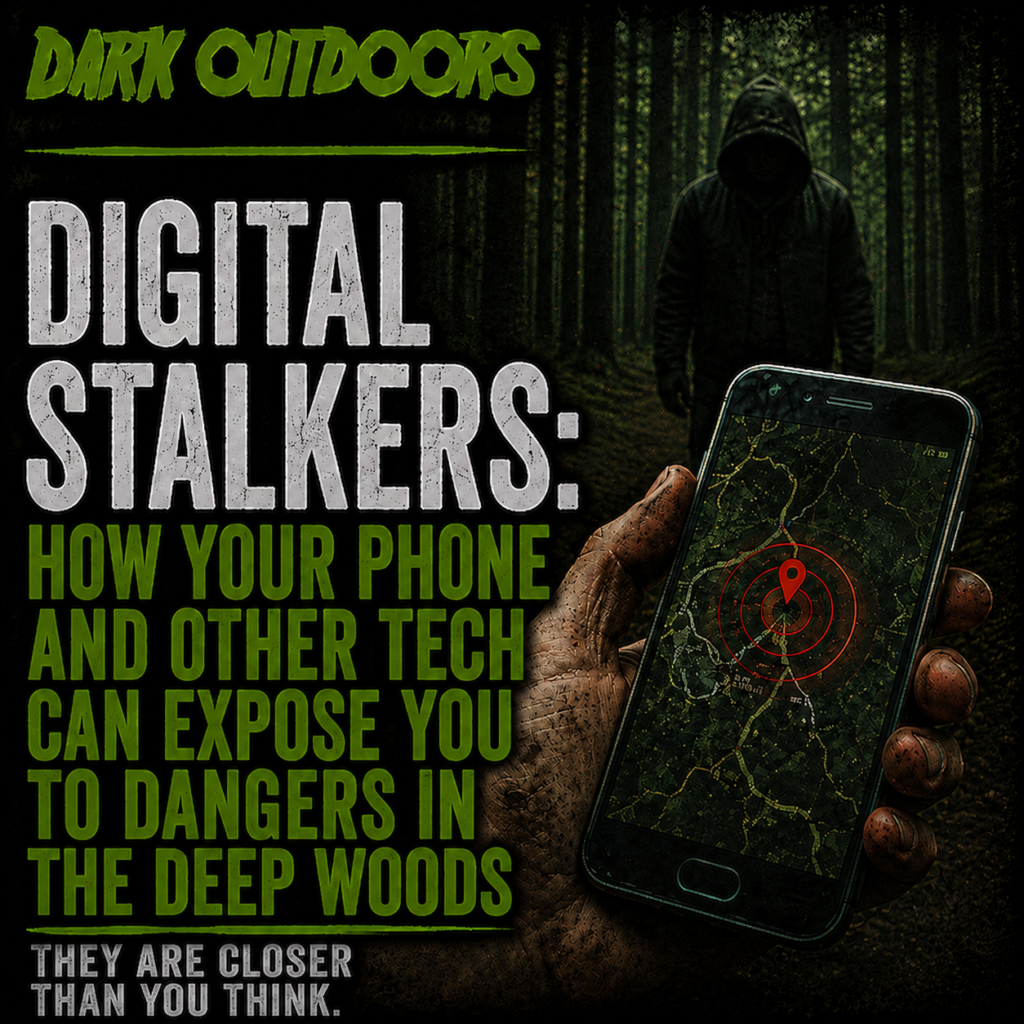
Digital Stalkers-Follow People Into the Outdoors!

In the new episode of Dark Outdoors®, we explore the frightening reality of digital stalkers, GPS tracking, location sharing, and how smartphones, apps, social media, and outdoor tech can expose campers, hikers, hunters, and travelers to real-world danger in remote areas.

Listen to the episode and subscribe here.

From trailheads and campsites to isolated backroads and deep forests, modern technology can reveal far more about your location and movements than most people realize. We examine how predators, criminals, stalkers, and opportunists may exploit digital footprints in the outdoors — and how outdoor enthusiasts can better protect themselves.

If you enjoy true crime, wilderness mysteries, survival stories, outdoor safety, and dark explorations of modern threats, this episode of Dark Outdoors is for you.

  • GPS tracking dangers
  • Digital stalking
  • Camping and hiking safety
  • Smartphone privacy risks
  • Trailhead security
  • Outdoor survival awareness
  • Wilderness crime prevention
  • Remote area safety

Because sometimes the greatest danger in the woods… is already connected to you.

Chester Moore

Follow Chester Moore on the following social media platforms

Chester Moore’s YouTube.

@thechestermoore on Instagram

@gulfgreatwhitesharksociety on Instagram

To support the efforts of Higher Calling Wildlife® click here.

Subscribe to the Dark Outdoors podcast on all major podcasting platforms.

Higher Calling Wildlife on Facebook

Email Chester at chester@chestermoore.com.