
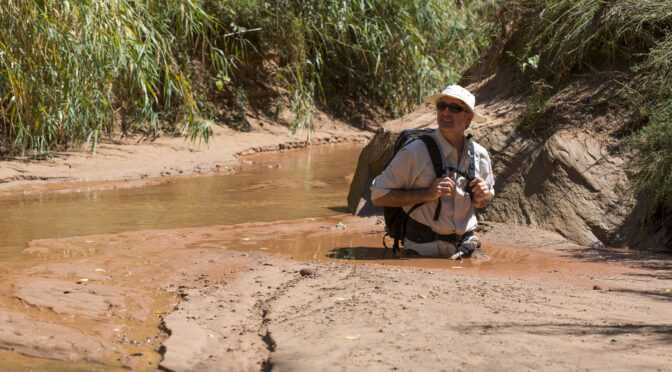
Quicksand is one of those outdoor dangers people tend to dismiss as Hollywood nonsense. It brings to mind old movies and exaggerated survival tales, not something you’d expect to encounter on a normal hike, hunt, or fishing trip. That assumption has proven deadly.
Quicksand is real, and people still die because of it.
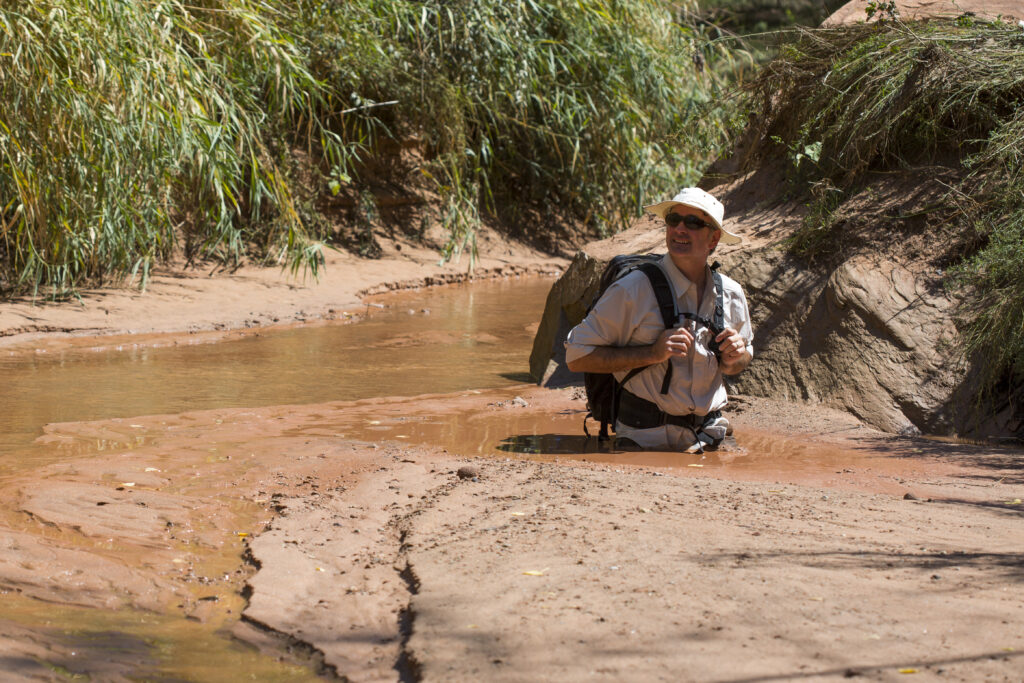
In the outdoors, quicksand most often forms when sand, silt, or clay becomes saturated with water and loses its ability to support weight. Riverbanks, marshes, tidal flats, floodplains, desert washes, and even urban creeks are common places for it to develop. The danger isn’t that it “swallows” people whole—that part is largely myth. The real threat is becoming trapped.
Once stuck, victims can succumb to exhaustion, hypothermia, dehydration, or drowning, especially if water levels rise or temperatures drop.
There are modern, well-documented cases. In 2016, a man walking across tidal flats in the United Kingdom became trapped in mud that behaved like quicksand. He was unable to free himself before the tide came in and drowned. Similar incidents have occurred in Alaska’s mudflats, where the sediment is so unstable that even heavy equipment has been pulled under.
Closer to home, a case in San Antonio a few years back highlights an important and often misunderstood factor—high water conditions. A man became trapped in thick mud along a creek bed during elevated water levels and was unable to escape despite rescue efforts.
That scenario makes complete sense.
High or recently high water dramatically increases the risk of quicksand-like conditions. When creeks and rivers rise, fast-moving water saturates fine sediments like sand, silt, and clay. As water slows, pools, or begins to recede, that moisture becomes trapped beneath the surface. Pressure from below causes the sediment to lose strength and behave like a liquid. In some cases, a thin crust forms on top, making the ground appear solid when it is anything but.
Urban creeks are especially dangerous after storms. Floodwaters deposit layers of soft sediment, and drainage systems can create upward water pressure. Someone stepping onto what looks like firm ground can suddenly break through and sink rapidly, often to knee or waist depth. Once that suction sets in, escape becomes extremely difficult without help.
Quicksand often looks deceptively normal. It may appear smoother, darker, or shinier than surrounding ground. In marshes, it can hide beneath grass or algae. On riverbanks, it often forms where water seeps upward through sand. Areas where animals avoid walking can be a subtle warning sign.
If you do step into quicksand or deep mud, panic will make things worse. Jerking your leg upward increases suction. Instead, stop and stay calm. Slowly lean back to spread your weight, gently wiggle your foot side to side to allow water in, and reduce suction. If possible, remove heavy packs. Lying flat and rolling away can sometimes be the safest escape.
Avoidance is the best defense. Be cautious after heavy rain or flooding. Don’t walk alone in marshes, tidal flats, or unfamiliar creek beds. Check tide charts in coastal areas. Use a stick to probe ground ahead of you.
Quicksand doesn’t announce itself. It works quietly, often in places people least expect. In the outdoors—and sometimes even close to home—what’s under your feet can be just as dangerous as anything with teeth or claws.
Chester Moore
Follow Chester Moore on the following social media platforms
@gulfgreatwhitesharksociety on Instagram
To support the efforts of Higher Calling Wildlife® click here.
Subscribe to the Dark Outdoors podcast on all major podcasting platforms.
Higher Calling Wildlife on Facebook
Email Chester at chester@chestermoore.com.