
Spending time alone in the outdoors has its rewards, but it also comes with realities many people don’t like to talk about. When you’re isolated—whether camping, fishing, hiking, or working remote land—you don’t have the buffer of crowds or quick help. That’s why, for some people, a dogs aren’t companions. They are an early warning system, a deterrent, and sometimes the difference between feeling exposed and feeling secure.
Dogs have been protecting humans in wild places for thousands of years. Long before radios, firearms, or satellite messengers, people relied on their dogs to alert them to danger—both animal and human. That role hasn’t changed.
One of the biggest advantages of having a dog with you outdoors is awareness. Dogs hear, smell, and sense things long before we do. A dog that suddenly stiffens, focuses into the darkness, growls, or quietly positions itself between you and something unseen is providing critical information. That early warning buys time, and in remote places, time matters.
Dogs also change how others perceive you. A confident dog at your side sends a clear message that you are not alone and not an easy target. Whether the concern is a suspicious stranger or someone with bad intentions, that visual deterrent alone can stop situations before they start.
When it comes to breeds, not all dogs are equal in this role. The best outdoor guard dogs combine intelligence, loyalty, trainability, and controlled protectiveness. Blind aggression is not what you want. Awareness and obedience are far more important.
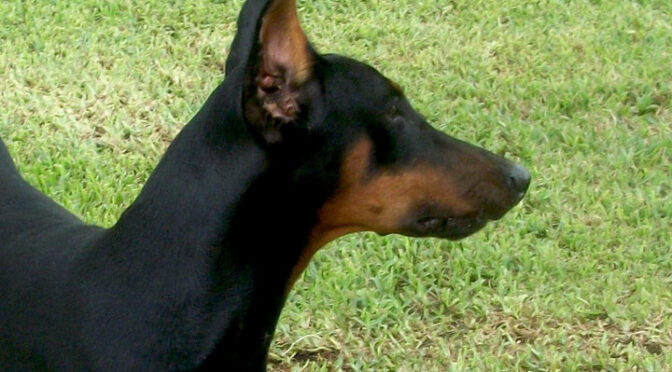
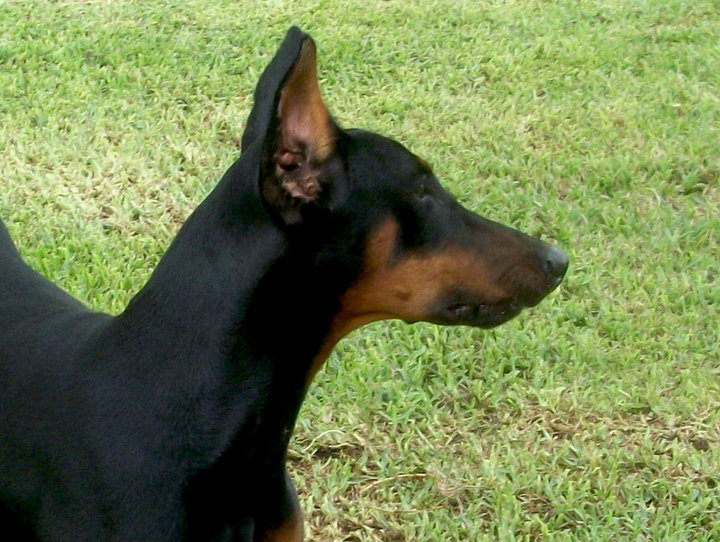
Dobermans stand apart for a reason. They are the only dog breed specifically developed for personal protection. Dobermans were bred to stay close to their handler, remain highly alert, and respond immediately to threats against their owner. That focus makes them exceptional personal protection companions in outdoor settings. They are athletic, fast, highly intelligent, and deeply bonded to their person, often placing themselves instinctively between their owner and anything they perceive as a threat.
German Shepherds are another excellent option. They are versatile, steady under pressure, and exceptionally intelligent. German Shepherds tend to assess situations before reacting, which makes them well-suited for environments where you may encounter both people and wildlife. Their long history as working dogs is well earned.
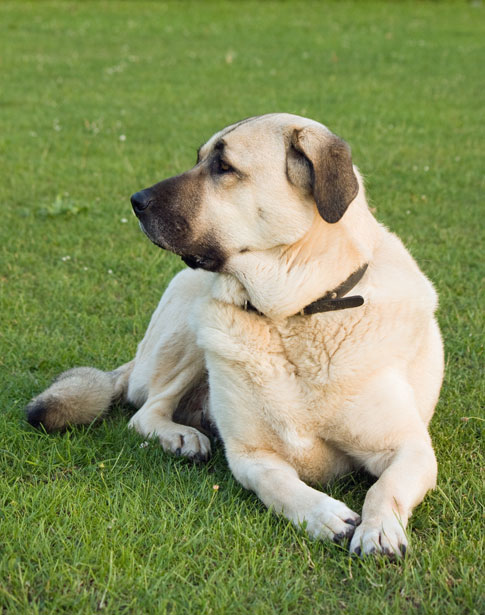
Other capable breeds include Belgian Malinois and Dutch Shepherds, though these dogs require experienced handling and consistent training. In some rural or predator-heavy environments, livestock guardian dogs such as Great Pyrenees or Anatolian Shepherds can provide protection, but they are less practical for mobile outdoor activities and require different expectations.
Training matters more than breed. A poorly trained dog can create problems instead of preventing them. A good outdoor protection dog should be calm, obedient, and responsive even under stress. Socialization is critical so the dog can distinguish between normal outdoor activity and genuine threats.
It’s also important to understand that dogs are not universally an advantage in every environment. There is a point where a dog can cause more trouble than protection. Dogs may instinctively challenge or chase wildlife that you want no interaction with at all.
Moose are a prime example. A dog harassing a moose can quickly lead the animal straight back to its owner, turning a dangerous situation into a potentially fatal one. Feral hogs present another serious risk. A dog that engages a hog can be badly injured or killed, and hogs may respond aggressively toward humans nearby. In bear country, an uncontrolled dog can escalate encounters instead of preventing them.
Because of this, you need to be very aware of where you bring a dog and how well it is controlled. Strong recall and obedience are non-negotiable. If you can’t reliably call your dog off an animal, it may not belong in certain environments.
At camp, experienced outdoorsmen often place their dog between themselves and the most likely direction of approach, such as a trail, treeline, or shoreline. At night, a dog’s low growl or sudden alert posture is often the first sign something isn’t right.
There are practical considerations as well. Dogs need water, rest, and protection from heat and cold just like people. An exhausted or overheated dog is not an asset and can quickly become a liability.
Perhaps the greatest benefit of a dog outdoors isn’t physical protection—it’s confidence. A calm, alert dog changes how you move, how you rest, and how you respond to uncertainty. Confidence reduces mistakes, and mistakes are what get people hurt.
The outdoors is still a place of freedom and solitude. Most trips end without incident. But when you’re alone, layers of safety matter. A well-trained dog can be an incredible asset—but only when matched to the environment, trained correctly, and handled responsibly.
In wild places, awareness cuts both ways. Sometimes the best protection is knowing when a dog adds security—and when it’s wiser to leave one at home.
Chester Moore