
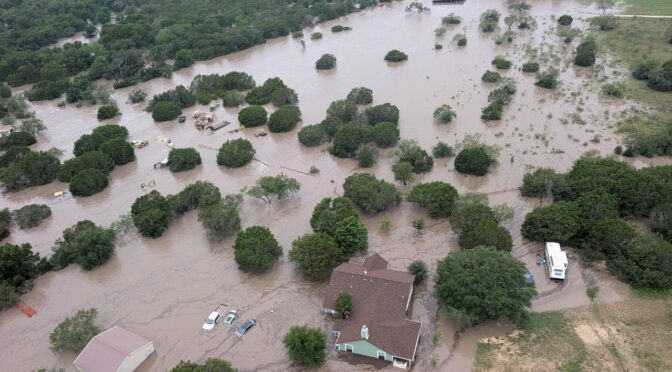
The rivers of the Texas Hill Country are among the state’s greatest treasures.
Generations of Texans have learned to swim in the cool waters of the Guadalupe and Frio, cast flies to Guadalupe bass in crystal-clear currents, and pitch tents beneath towering cypress trees that have watched these rivers flow for centuries. Hunters rise before dawn along these waters in pursuit of whitetails and Rio Grande turkeys, while photographers wait patiently for the first rays of sunlight to illuminate limestone bluffs and emerald pools.
There is an undeniable peace to these places, one that has drawn me back repeatedly over the years.
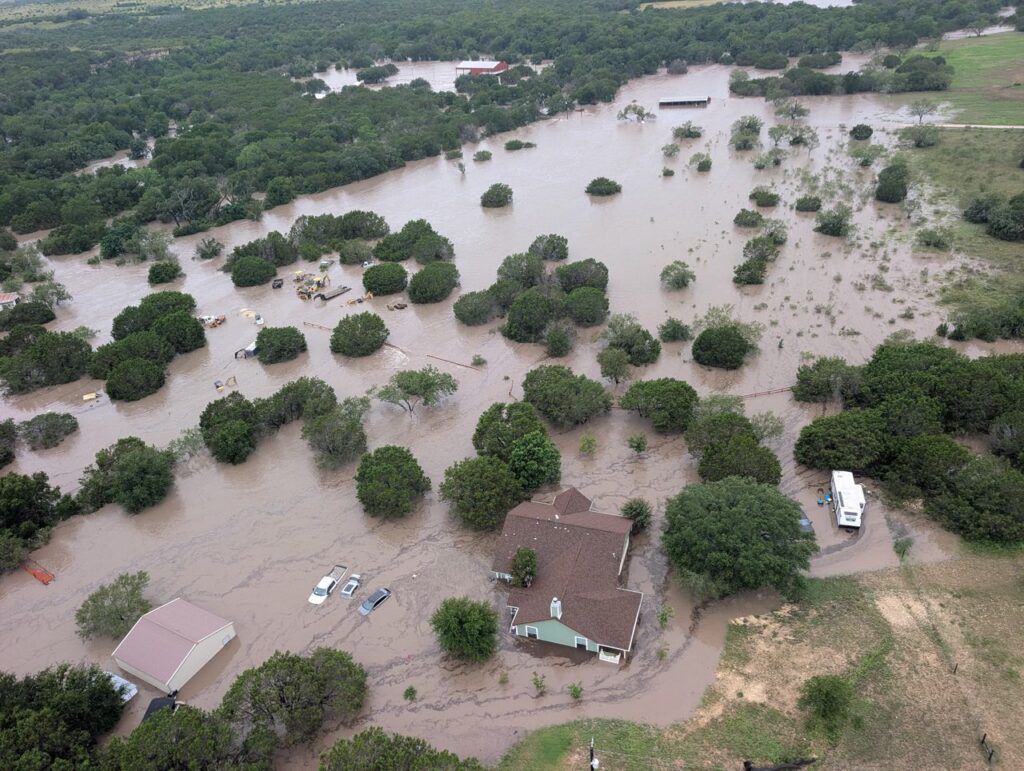
Yet those same rivers possess a dual nature that has become tragically apparent over the last two summers. Beneath their beauty lies an extraordinary capacity for destruction.
The catastrophic flooding along the Guadalupe River in 2025 claimed 139 lives, becoming one of the deadliest inland flood disasters in modern Texas history. One year later, another widespread Hill Country flood again produced devastating damage, numerous rescues and heartbreaking reminders that the danger had not passed.
For those of us who spend our lives outdoors, these events should be viewed as more than weather disasters. They should become case studies in understanding one of nature’s most underestimated hazards.
I’ve spent much of my career writing about predators. Great white sharks. Large alligators. Venomous snakes. Even the occasional mountain lion. Those subjects naturally capture people’s attention because the danger is obvious.
Water rarely receives the same respect.
Perhaps it should.
Listen to the full interview with Dr. Tracy Fanara on Dark Outdoors®.
Listen to the Podcast
Apple Podcasts:
https://podcasts.apple.com/nz/podcast/dr-tracy-fanara-on-tx-flash-floods-could-it-happen/id1630809603?i=1000777587005
Spotify:
https://open.spotify.com/episode/0DstL3xNxgoqtIDgF8t0J7?si=Yj7iBAq6Q02YHRE6aLElwQ
All Podcast Platforms (Apple, Spotify, iHeart, Audible & More):
https://linktr.ee/darkoutdoorspodcast
One of the reasons I wanted to revisit this subject on Dark Outdoors was to speak with someone who has devoted her career to helping people understand complicated environmental issues before they become tragedies.
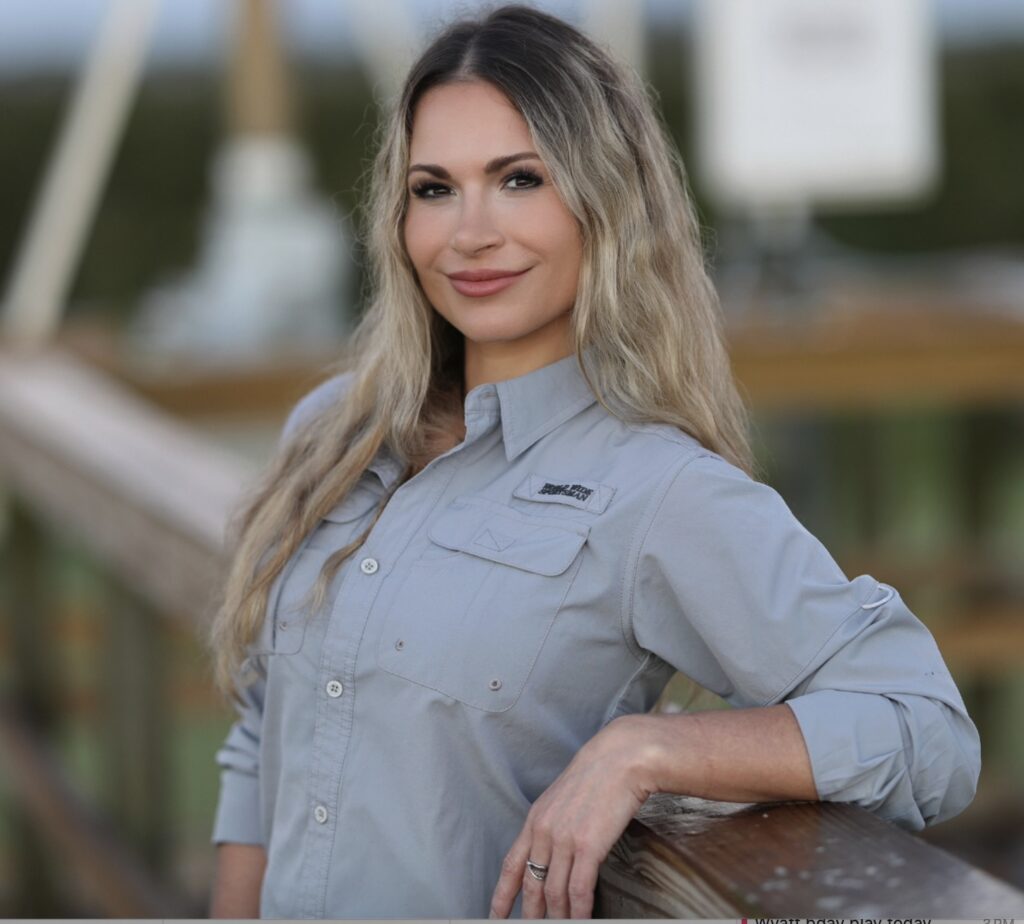
Dr. Tracy Fanara is an environmental engineer, meteorologist, science communicator and one of the featured experts with Inspector Planet. Through television appearances, public education and field research, she has developed a reputation for translating complex weather and environmental science into practical information that people can actually use.
When we began talking about the recent Hill Country disasters, she immediately challenged one of the biggest misconceptions surrounding flash floods.
“So many people think of flash flooding simply as a lot of rain,” she said.
“A flash flood is getting a lot of rainfall in a short amount of time. It’s all about rainfall intensity, and it gives water the opportunity to stage up really quickly, posing a threat to people crossing roads, property and even people who are sleeping.”
That last observation struck me.
People sleeping.
Most outdoor enthusiasts think of flash floods as something that threatens motorists attempting to cross flooded roadways. We picture dramatic news footage of vehicles floating downstream or intersections disappearing beneath muddy water.
The Hill Country has shown us something entirely different.
Families asleep in riverside cabins.
Children at summer camps.
Hunters tucked into remote campsites.
Photographers rising before daylight to catch first light over the river.
Many of those at greatest risk never see the storm responsible for what is about to happen.
That reality becomes easier to understand when you look at the landscape itself.
“The impacts of flash flooding are determined by terrain,” Fanara explained.
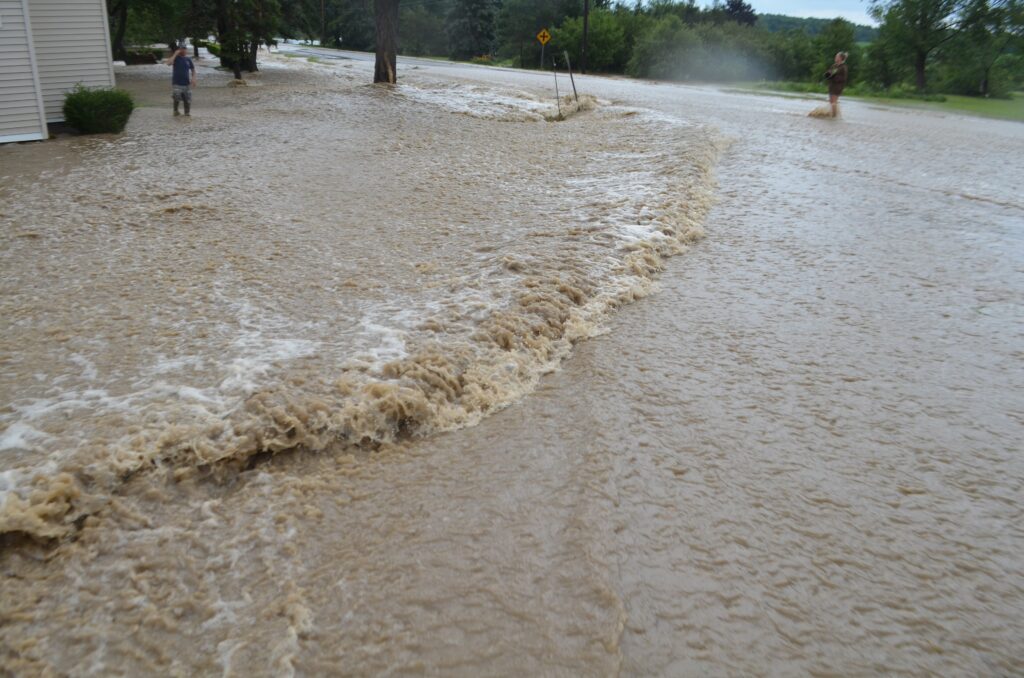
“In Texas, especially the Hill Country, you have steep terrain and shallow soils. That water runs off really fast. Water goes with gravity from uphill to downhill, and when you have more of an elevation change, all of that water goes to the same lowest point, which stages up super fast.”
It is an elegantly simple explanation for something that often seems impossible to comprehend after a tragedy.
Unlike much of coastal Texas, where flatter terrain allows rainfall to spread across broad landscapes, the Hill Country funnels enormous amounts of water through relatively narrow drainages. Layers of limestone lie beneath thin soils, limiting how much rainfall can soak into the ground before gravity begins carrying it downhill. Creeks rapidly become torrents. Tributaries pour into larger rivers. Entire watersheds begin delivering water to the same destination almost simultaneously.
That is why the region earned the nickname Flash Flood Alley decades ago.
The events of 2025 illustrated the process with terrifying clarity.
During that disaster, exceptionally intense rainfall focused on a single watershed feeding the Guadalupe River. Fanara pointed to one statistic that still seems almost unbelievable.
“The Guadalupe River rose like twenty-six feet in forty-five minutes,” she said.
“That’s absurd.”
Absurd is an appropriate word.
Imagine standing beside a river at daybreak and watching it rise nearly the height of a two-story building before you have time to finish breakfast.
That kind of rise defies ordinary experience, which is one reason many people struggle to appreciate just how quickly these disasters unfold.
Fanara also emphasized that the flooding Texans witnessed this year differed significantly from the catastrophe of 2025.
“The difference is that rise—that intensity,” she explained.
“Last year’s rainfall was super intense and focused on one watershed. This year, the volume may have even been more, but it was spread along multiple watersheds and different rivers.”
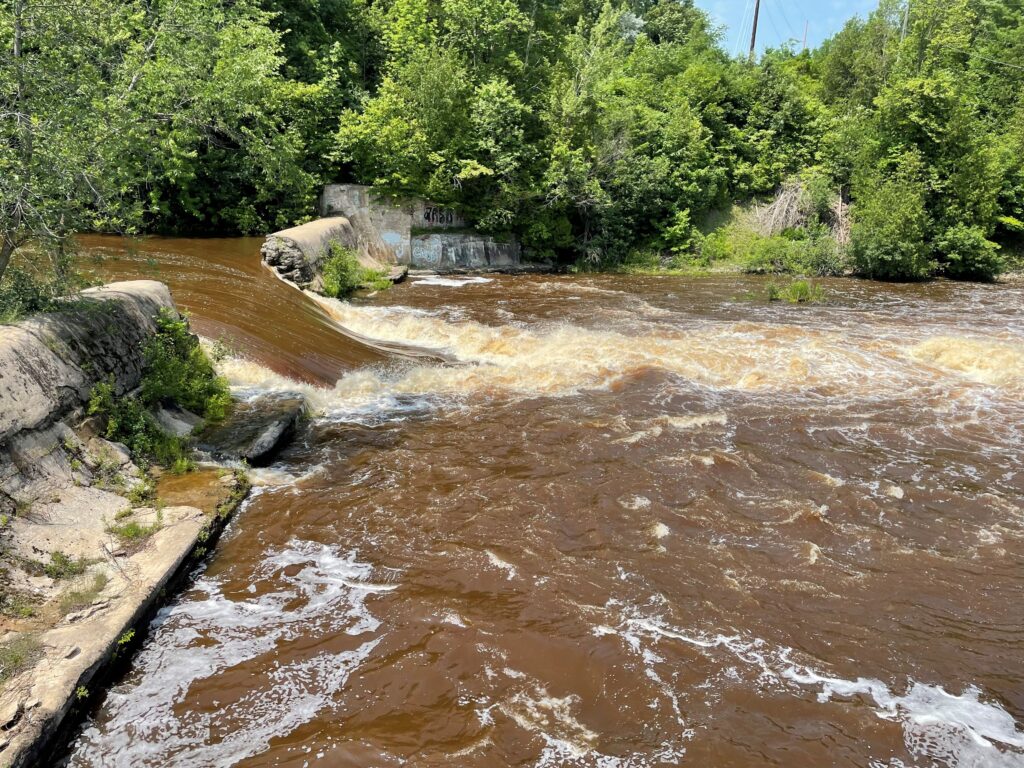
That distinction is important because it reminds us there is no single blueprint for a deadly flash flood.
Sometimes one river experiences an almost unimaginable rise in less than an hour.
Other times, widespread rainfall affects multiple watersheds at once, producing a broader regional disaster that unfolds over many hours.
Both situations can prove deadly.
Both require a different way of thinking about the outdoors than many of us learned growing up.
As someone raised along the upper Texas coast, I grew up hearing flash flood warnings that often amounted to water standing in intersections or flowing across low roads. They demanded caution, but they rarely inspired fear. The Hill Country rewrites that understanding completely. There, the danger is not simply the rain falling where you happen to be standing.
Often, the greatest threat is the rain you cannot even see.
One of the most revealing moments in my conversation with Dr. Fanara came when we stopped talking about rivers and started talking about people.
The science explains how flash floods develop. Human nature often explains why they become tragedies.
“It’s all about understanding where you are in the watershed,” Fanara said.
“What part of the watershed are you in? Are you in the lowest part? Are you in the highest part?”
That may sound like a simple question, but it is one many outdoorsmen never ask.
We tend to judge our surroundings by what we can see. If the creek beside camp is calm and the sky overhead is only partly cloudy, there seems little reason for concern. Yet watersheds don’t operate according to what is happening where we happen to be standing. Rain that falls twenty or thirty miles away may already be racing downhill toward the river beside your campsite.
Fanara believes that disconnect is one of the greatest challenges facing weather forecasters and emergency managers today.
“You’ll see those warning polygons covering a very large area,” she explained.
“If you’ve never been flooded before, or you’ve been camping at that place a million times and never experienced flooding, you just assume that alert is for someone else. But now we’re in territory where we’re seeing things happen that we’ve never seen in our lifetime. We always have to be prepared.”
That observation immediately brought back a memory from years ago that has stayed with me ever since.
My father and I were camping on private property near Toledo Bend Reservoir in northern Louisiana. The campsite sat in a low area between two hills. It had been a good evening, and after turning in for the night there seemed little reason to think about the weather.
Sometime around one o’clock in the morning I woke to the unmistakable feeling of water moving beneath me.
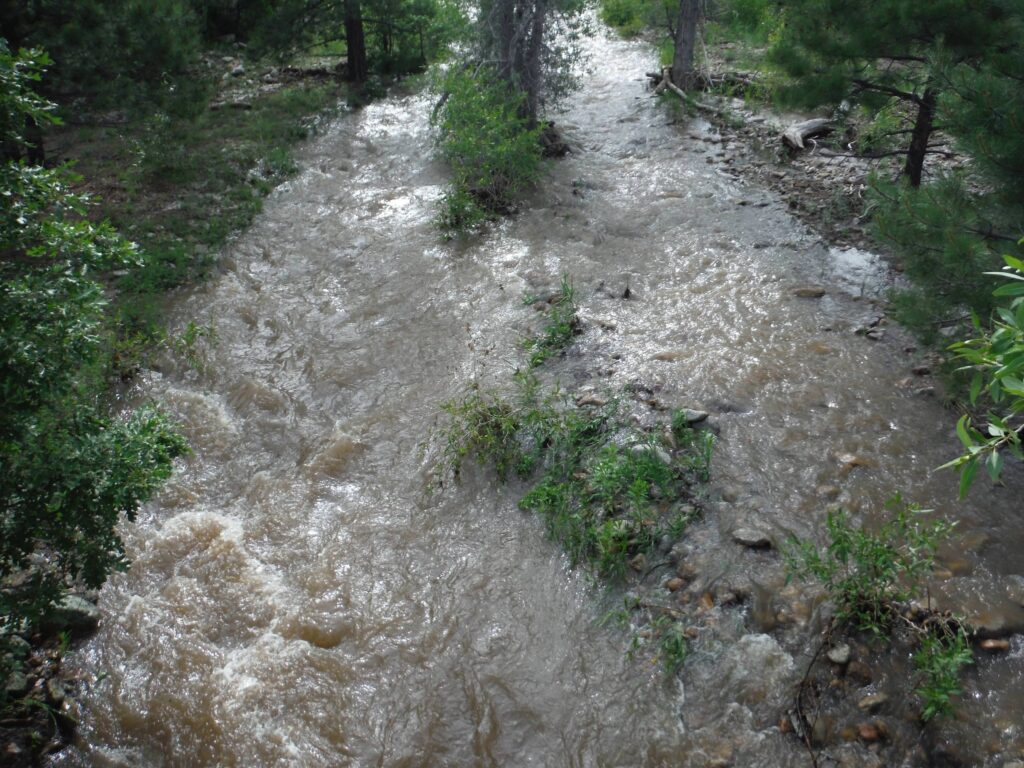
Within minutes there was nearly a foot of water inside our tent.
The heavy rain had not fallen where we were camping. It had fallen elsewhere, and gravity had done the rest.
We scrambled to throw gear into the truck, abandoning any thought of saving a comfortable campsite. The only road out crossed a narrow bridge spanning a creek. By the time we reached it, the water had risen dramatically. Had we waited much longer, we might not have crossed it at all.
Compared to the devastation witnessed along the Guadalupe River, it was a minor incident.
The lesson, however, was enormous.
Water doesn’t care whether you saw the storm.
That is precisely why Fanara encourages outdoorsmen to think beyond simply checking a weather forecast before leaving home.
“Oh, absolutely,” she said when I asked whether campers and hunters should be paying closer attention to alerts.
“NOAA Weather Radio is always the go-to, especially when you’re camping and might not get good service. There are also apps with push notifications. There are a number of different ways you can be alerted to a flood situation coming.”
She acknowledged that predicting exactly how severe flooding will become at one specific location remains challenging, but believes better information and greater awareness will continue saving lives.
One comment she made particularly resonated with me because it reflected something I’ve tried to accomplish through Dark Outdoors from the beginning.
“Maybe that’s an opportunity for a family to really teach your kids about survival skills and about being prepared,” she said.
The outdoors has always been one of our greatest classrooms. It teaches patience while waiting for wildlife. It teaches responsibility when introducing young hunters to firearms. It teaches stewardship through conservation. It also teaches humility because nature continually reminds us that there are forces much larger than ourselves.
For decades I have written about sharks, alligators, venomous snakes and large predators. Those subjects naturally attract attention because people instinctively recognize danger when they see teeth, claws or fangs.
Moving water rarely inspires the same response.
Perhaps because it is familiar.
Perhaps because it is beautiful.
Perhaps because most of us have stood beside rivers our entire lives without witnessing what they can become.
The events of the last two summers should permanently change that perspective.
The Texas Hill Country will always remain one of my favorite places in America. I hope families continue floating the Guadalupe, anglers continue chasing Guadalupe bass, hunters continue pursuing game across its rugged hills, and photographers continue capturing its remarkable beauty.
But I also hope they arrive with a deeper understanding of the landscape itself.
The rivers that define the Hill Country are not dangerous because they are unpredictable.
They are dangerous because most people never take time to understand how they work.
That may ultimately be the greatest lesson from my conversation with Dr. Tracy Fanara. The goal isn’t to make people afraid of the outdoors. It is to help them appreciate it more completely.
Knowledge has always been one of the most important pieces of survival equipment a person can carry.
A rifle won’t stop a wall of water.
Neither will a four-wheel-drive truck.
Sometimes the most important decision an outdoorsman makes is recognizing that the rain falling beyond the next ridge may already be changing the river at his feet.
If this conversation encourages one hunter to move camp to higher ground, one family to keep a NOAA Weather Radio in their tent, or one angler to think differently about the watershed surrounding his favorite fishing hole, then Dr. Tracy Fanara’s willingness to share her knowledge will have accomplished something far more important than producing another podcast episode.
It may help someone make it home.
Chester Moore
Follow Chester Moore on the following social media platforms
@gulfgreatwhitesharksociety on Instagram
To support the efforts of Higher Calling Wildlife® click here.
Subscribe to the Dark Outdoors podcast on all major podcasting platforms.
Higher Calling Wildlife on Facebook
Email Chester at chester@chestermoore.com.