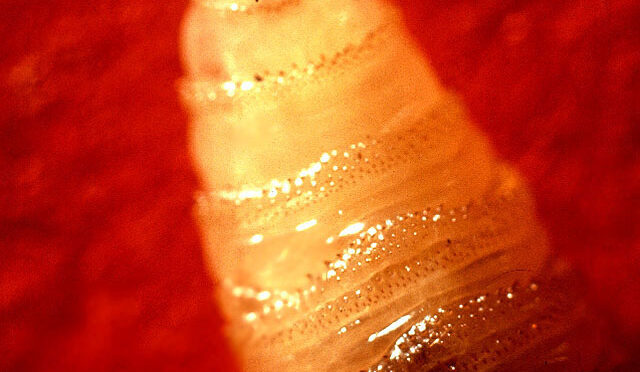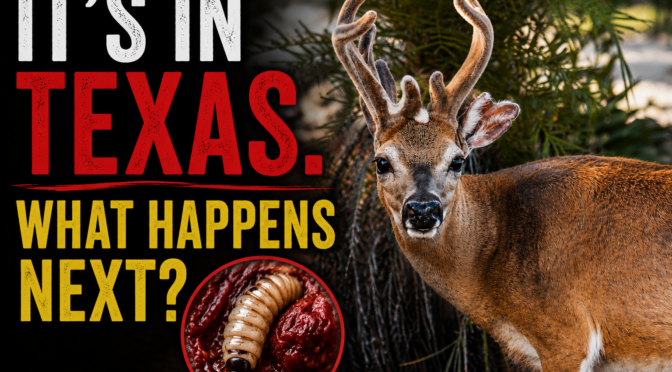
Texas is preparing for the threat of New World screwworm. But just 10 years ago, this devastating flesh-eating parasite struck America’s endangered Key deer in the Florida Keys. That little-known wildlife crisis became the last U.S. screwworm outbreak—and the lessons learned there could prove critical as Texas works to keep the parasite from gaining a foothold.
Watch my new video on this topic here
In this exclusive interview, I sit down with Dr. Roel Lopez, Director of the Texas A&M Natural Resources Institute, who worked with the U.S. Fish and Wildlife Service during the 2016 Florida Keys outbreak.
He shares firsthand insight into what happened, how the endangered Key deer were affected, and how one of the greatest wildlife disease eradication efforts in history—using millions of sterile flies—helped stop the outbreak before it spread.
We also discuss:
• Why New World screwworm is so dangerous to livestock and wildlife • The science behind the Sterile Insect Technique (SIT)
• What happened during the Florida Keys outbreak • Why the Key deer story matters to Texas today
• The current screwworm situation along the U.S.-Mexico border
• What ranchers, hunters, veterinarians, and wildlife professionals should know
• Why early detection and rapid response are essential The story of the Key deer is more than a fascinating chapter in wildlife conservation—it’s a blueprint for how science, cooperation, and decisive action can stop one of North America’s most destructive parasites.
As Texas prepares for the possibility of screwworm returning, the past may hold the key to protecting the future. If you enjoy in-depth conversations on wildlife conservation, hunting, fisheries, and the outdoors, please like, subscribe, and share. Your support helps us continue bringing you interviews with the people on the front lines of conservation.
Crime, Conservation and the Outdoors Collide in Hammer
When most people think about crime thrillers, they picture car chases, shootouts and government conspiracies. Those are certainly part of Joe Betar’s debut novel, Hammer, but what caught my attention was something else entirely.

As someone who has spent decades writing about wildlife, conservation and the outdoors, I immediately recognized the realism behind many of the story’s outdoor elements.
Hammer follows former MMA champion Jack “Hammer” Garrett, who leaves the fighting world hoping to build a peaceful life in the Texas Hill Country centered on family, hunting and the outdoors. That peace doesn’t last long, and he’s drawn into a dangerous international conspiracy.
During my interview with Betar, I asked how his conservation background shaped the story.
“I tried to take everything from my medical background and my conservation background and incorporate pieces of those into the challenges Jack faces,” he said.
Betar’s years working around conservation and anti-poaching efforts gave him firsthand insight into the complex realities of wildlife crime. Rather than presenting poaching as a simple battle between heroes and villains, Hammer explores the criminal organizations behind wildlife trafficking while also showing the difficult circumstances that sometimes drive people into that world.
For readers who enjoy suspense grounded in authentic outdoor experience instead of Hollywood clichés, Hammer offers something refreshingly different. It’s an action thriller, but one with roots in the real world of hunting, conservation and international wildlife crime.
Learn more about Hammer
Amazon: https://www.amazon.com/s?k=Joe+Betar+Hammer
Joe Betar: https://joebetar.com
Chester Moore
Follow Chester Moore on the following social media platforms
@gulfgreatwhitesharksociety on Instagram
To support the efforts of Higher Calling Wildlife® click here.
Subscribe to the Dark Outdoors podcast on all major podcasting platforms.
Higher Calling Wildlife on Facebook
Email Chester at chester@chestermoore.com.