
There is poaching, and then there are wildlife crimes so disturbing they are difficult to comprehend.
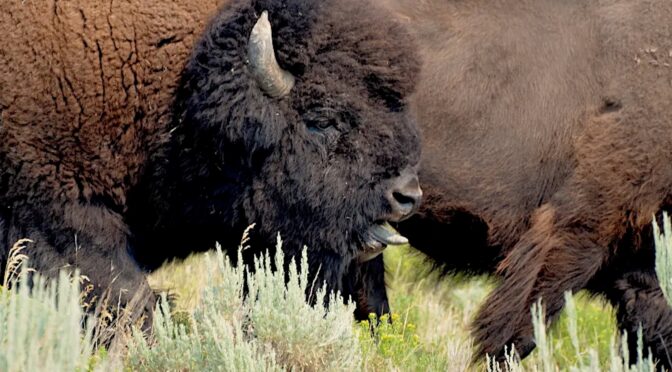
Years ago, I traveled to a location where someone had illegally killed a buffalo. The animal had not been taken for meat. Its head had been removed with a chainsaw, and the rest of the massive animal had been left behind to rot.
Seeing something like that changes the way you look at wildlife crime.
That incident is one of several disturbing cases I explore in a new episode of Dark Outdoors, “He Beheaded the Buffalo With a Chainsaw.”
Listen to the full episode:
Apple Podcasts:
https://podcasts.apple.com/us/podcast/he-beheaded-the-buffalo-with-a-chainsaw/id1630809603?i=1000788246698
Spotify:
https://open.spotify.com/episode/4SG6LVStcRBMSyRKn54uMQ?si=39034865b8234bbf
The Truly Dark Side of Poaching
People sometimes use the word “poaching” almost casually. Someone shoots a deer out of season. Someone keeps too many fish. Someone kills an animal without the proper license.
Those are wildlife violations, but after years of covering the outdoors, I have encountered another level of wildlife crime entirely.
These are cases involving people who kill simply to possess a trophy, criminals willing to intimidate the officers investigating them and an international black market capable of turning some of the world’s most magnificent animals into commodities.
The buffalo case was one of my earliest firsthand encounters with that world.
There is something difficult to describe about standing near an enormous animal that has been killed illegally and simply discarded. Whoever did it wanted one thing—the head.
Everything else was waste.
It wasn’t hunting. It wasn’t conservation. And it certainly wasn’t respect for wildlife.
When Game Wardens Become the Targets
One of the things that gets lost in conversations about poaching is the danger faced by the men and women investigating wildlife crimes.
Game wardens often work alone in isolated places, frequently at night and sometimes many miles from immediate backup. They routinely encounter people carrying firearms, and they have to determine whether they are dealing with an ordinary hunter who made a mistake or someone willing to commit much more serious crimes.
In the new Dark Outdoors episode, I discuss one case that has stuck with me for years. It involved shots being fired into a game warden’s home.
On Christmas Eve.
Think about what that means. Someone wasn’t simply trying to avoid getting caught violating a wildlife law. A line had been crossed from wildlife crime into intimidation and violence directed toward the person enforcing those laws.
That is a side of the game warden profession most outdoorsmen will thankfully never experience.
Wildlife Crime Goes Far Beyond Texas
The scale becomes even more disturbing when wildlife trafficking enters the picture.
Wildlife is valuable, sometimes extraordinarily valuable. Rare animals, skins, horns, skulls, teeth, claws and other wildlife parts can move through illegal markets stretching across international borders. The U.S. Fish and Wildlife Service maintains a specialized law-enforcement presence devoted to combating this kind of trafficking.
And sometimes what investigators discover seems almost unbelievable.
One of the cases I discuss in the podcast involved a coat smuggled into the United States that had been made from jaguar skins.
Not one jaguar.
Five.
That image has never really left me. Jaguars are among the most spectacular predators on Earth. To think of five of them reduced to the material for a single coat says something about the mentality behind the darkest reaches of the wildlife trade.
This Isn’t Hunting
I am a hunter, and I make no apologies about that.
Legal, regulated sport hunting is an important part of wildlife conservation in North America. Hunters provide substantial conservation funding through licenses, permits, excise taxes on firearms and ammunition and direct support of wildlife and habitat programs. Hunting also plays an important role in wildlife management.
But what I am describing here is not hunting.
Poaching is wildlife crime. Killing animals illegally for trophies, money or sheer destruction has nothing to do with the ethical pursuit of game under laws and regulations designed to conserve wildlife.
The distinction becomes especially obvious when an animal is killed merely so someone can cut off its head, when protected wildlife is trafficked for profit or when law-enforcement officers and their families are threatened because someone doesn’t want to face the consequences of his actions.
I have spent much of my life around hunters, anglers, wildlife professionals and conservationists. The people I respect in the hunting community have something in common: respect for the animal matters. Conservation matters. What happens to wildlife tomorrow matters.
Someone who illegally kills a buffalo, removes its head with a chainsaw and leaves the rest of that magnificent animal to rot is operating from an entirely different mindset.
These aren’t hunting stories.
They’re crime stories that happen to involve wildlife.
The Detail I Still Remember
There is another element of the buffalo story that has always stayed with me. It wasn’t simply the brutality of what had been done.
It was the waste.
A buffalo is an enormous animal. Standing there and seeing what remained after someone had taken what they wanted made the crime feel different from reading a citation in a game warden report or hearing about an illegal kill secondhand.
The person responsible apparently saw that animal as little more than a trophy attached to a body that could be discarded.
That is one of the reasons I wanted to tell this story on Dark Outdoors. Wildlife crime can sound abstract until you see the aftermath. Then it becomes very real.
And the deeper you look into these cases, the stranger—and sometimes more dangerous—they become.
There are additional details in the episode about the buffalo case, the threats faced by wildlife officers and some of the bizarre things federal wildlife agents have intercepted that I won’t reveal here.
Listen to “He Beheaded the Buffalo With a Chainsaw” on Dark Outdoors:
Apple Podcasts:
https://podcasts.apple.com/us/podcast/he-beheaded-the-buffalo-with-a-chainsaw/id1630809603?i=1000788246698
Spotify:
https://open.spotify.com/episode/4SG6LVStcRBMSyRKn54uMQ?si=39034865b8234bbf
You Can Help Stop Wildlife Crime
The public plays an important role in helping game wardens catch poachers.
In Texas, suspected wildlife, fishing and boating violations can be reported through Operation Game Thief, the state’s wildlife crime-stoppers program.
If you witness a violation, don’t confront the suspect. Observe from a safe distance and gather useful information when it can be done safely—location, vehicle description, license plate, description of the individuals involved and what you witnessed.
Then report it.
Operation Game Thief: 1-800-792-GAME (4263)
Anonymous tips can also be submitted by texting TXOGT followed by the tip information to 847411.
Texas Parks and Wildlife Department says Operation Game Thief dispatchers are available 24 hours a day, seven days a week, and tipsters may be eligible for rewards when information leads to a conviction.
Wildlife crime doesn’t always happen where a game warden can see it. Sometimes the difference between a poacher getting away and being caught is an outdoorsman, landowner, angler or passerby who decides to make one phone call.
Protecting wildlife isn’t only about protecting animals. Sometimes it means standing against the people who exploit them.
Because the outdoors has a dark side.
Chester Moore
Follow Chester Moore on the following social media platforms
@gulfgreatwhitesharksociety on Instagram
To support the efforts of Higher Calling Wildlife® click here.
Subscribe to the Dark Outdoors podcast on all major podcasting platforms.
Higher Calling Wildlife on Facebook
Email Chester at chester@chestermoore.com.