Category Archives: Serial Killers

The Texas Killing Fields: A Personal Encounter and Breaking News in a Decades-Old Mystery

In 1997, my wife Lisa and I were driving to Pasadena, Texas, to visit a friend when we came upon a scene we would never forget. Police and investigators had converged near a retention pond, and although we knew something serious had happened, we had no idea what we had just driven into.
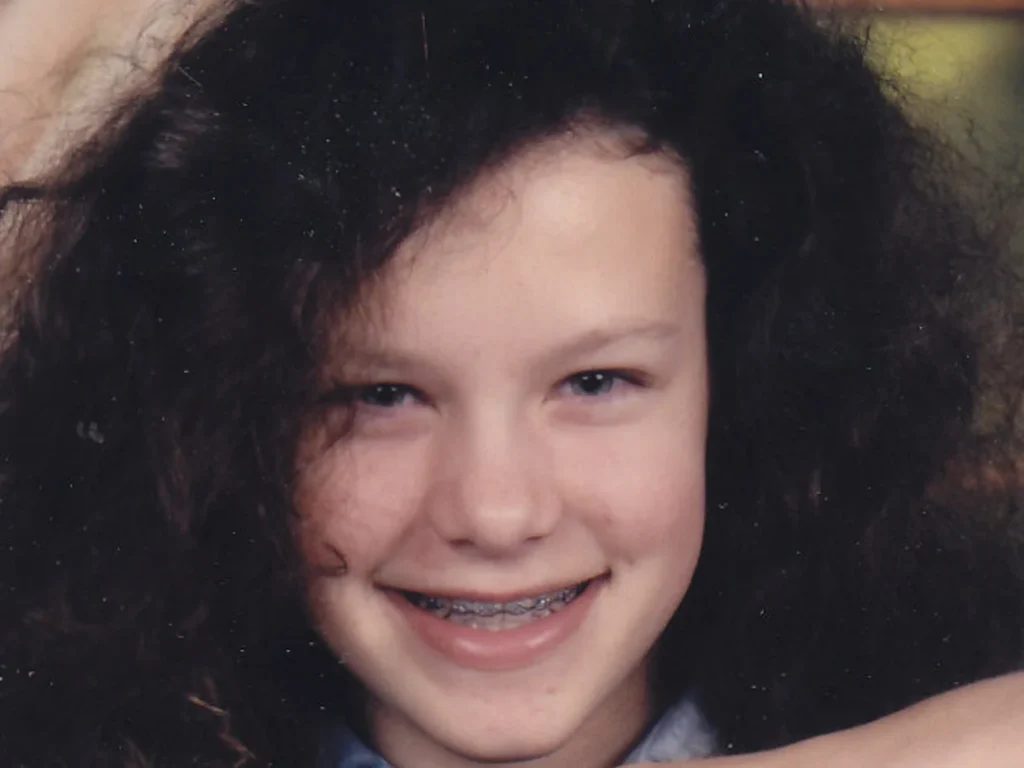
Laura Smither

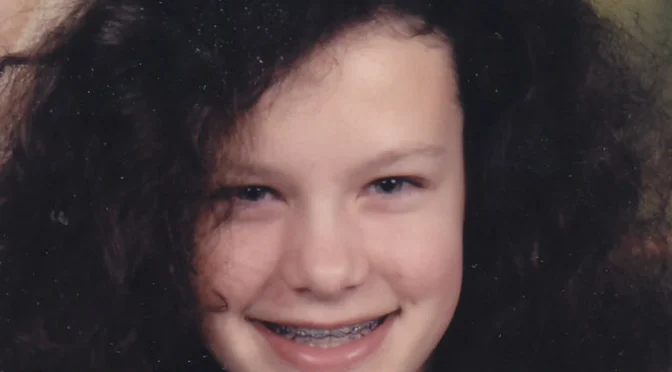
We would soon learn that the body of 12-year-old Laura Smither, who had disappeared while jogging near her Friendswood home, had been discovered there that very day. Nearly three decades later, I returned to that moment for a new episode of Dark Outdoors® and began digging into Laura’s case, serial killer William Reece and the disturbing history of the Texas Killing Fields. What I found takes the story far beyond what Lisa and I witnessed that heartbreaking day that still has an impact on both of us.

I’m not going to tell the rest of that story here. I want you to hear it the way it was meant to be told. Listen to the new episode of Dark Outdoors® for our personal connection to the Laura Smither case and a deeper investigation into the Texas Killing Fields.

Apple Podcasts:
https://podcasts.apple.com/us/podcast/texas-killing-fields-justice-after-42-years/id1630809603?i=1000787710625

Spotify:
https://open.spotify.com/episode/6djew5Zlf7zkka56cSkkf5

Follow and subscribe to Dark Outdoors® so you don’t miss what’s coming next—because the outdoors has a dark side.

And the timing of this episode could hardly be more remarkable. Just as it was being released, one of the most infamous chapters in Texas Killing Fields history suddenly produced major news after more than four decades.

Breaking News From the Texas Killing Fields

On Sept. 2, 2026, a Galveston County jury found James Dolphs Elmore Jr. guilty of manslaughter in the death of 16-year-old Laura Miller. The following day, Elmore was sentenced to 20 years in prison, the maximum punishment for the charge.

Miller disappeared in 1984, and her remains were discovered 17 months later in the infamous Calder Road field in League City. She was one of four women whose bodies were found at that location between 1984 and 1991, along with Heidi Fye-Villareal, Audrey Cook and Donna Prudhomme.

The Elmore verdict is historic. More than four decades after Miller disappeared, he became the first person convicted in connection with the death of any of the four women whose bodies were discovered at the Calder Road site.

The development puts new attention on cases that have haunted the Houston-Galveston area for decades. The term “Texas Killing Fields” has been applied more broadly to a string of murders and disappearances involving girls and young women along the Interstate 45 corridor between Houston and Galveston. Authorities have investigated numerous cases in the region, and the evidence has pointed not toward one predator responsible for everything, but potentially multiple killers operating across different periods.

That is one of the things that makes the history of this region so disturbing.

Where Civilization Meets Isolation

The geography itself is part of the story. Interstate 45 runs through heavily populated communities, but not far from the freeway are marshes, bayous, fields, industrial areas, drainage systems and isolated stretches of road. Development and wild country can exist remarkably close together.

For most people, these are simply pieces of the Gulf Coast landscape. For someone with predatory intentions, however, an isolated road or forgotten field can offer something entirely different: access, concealment and a quick route back toward a major highway and millions of people.

That is also why this story belongs on Dark Outdoors®.

We often think of outdoor danger in terms of wildlife. Bears, mountain lions, sharks and venomous snakes command our attention because they represent predators we instinctively understand. Yet some of the darkest stories connected to woods, marshes, trails, rural roads and isolated places involve a very different kind of predator.

Human beings.

The Texas Killing Fields are an extreme example of what can happen along that boundary between civilization and isolation. You don’t necessarily have to travel deep into wilderness to become vulnerable. Sometimes the darkness exists only a few turns off a busy highway.

A Story That Isn’t Over

The conviction of James Elmore is a reminder that even after four decades, investigators and families have not necessarily reached the end of these stories. Advances in forensic science, renewed investigations and people willing to keep asking questions can bring movement to cases that once seemed destined to remain mysteries.

There are still unanswered questions surrounding the Texas Killing Fields, and there are families who have waited decades for answers. The Calder Road cases represent only one part of a much larger and darker history along the I-45 corridor.

For me, though, this story will always lead back to that day in 1997 when Lisa and I drove toward Pasadena and unexpectedly found ourselves on the edge of something terrible. At the time, we didn’t understand what we were seeing or how that moment connected to a much larger story.

Nearly 30 years later, I went back to it.

Hear that story—and much more—in the new episode of Dark Outdoors®.

Apple Podcasts:
https://podcasts.apple.com/…/dark-outdoors/id1630809603

Spotify:
https://open.spotify.com/episode/6djew5Zlf7zkka56cSkkf5

Follow and subscribe to Dark Outdoors® wherever you listen to podcasts.

Because the outdoors has a dark side.

Chester Moore

Follow Chester Moore on the following social media platforms

Chester Moore’s YouTube.

@thechestermoore on Instagram

@gulfgreatwhitesharksociety on Instagram

To support the efforts of Higher Calling Wildlife® click here.

Subscribe to the Dark Outdoors podcast on all major podcasting platforms.

Higher Calling Wildlife on Facebook

Email Chester at chester@chestermoore.com.
The Texas Killing Fields Are Back in the News Again

Few places in America carry a name as chilling as the Texas Killing Fields.

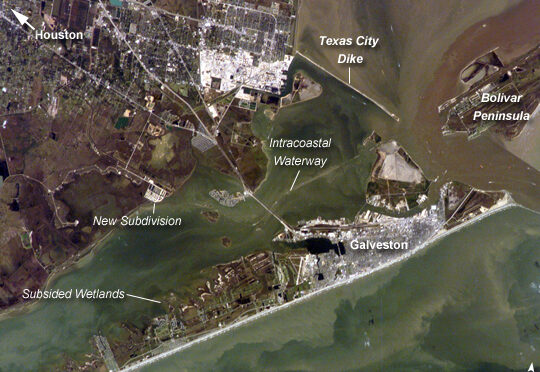
For decades, the phrase has been associated with a stretch of the Interstate 45 corridor between Houston and Galveston where the bodies of dozens of women and girls were found beginning in the early 1970s. Investigators believe multiple killers may have been responsible for the crimes, and despite years of investigations, documentaries, books and media attention, many of the cases remain unsolved.

Now, more than four decades after some of the most infamous murders occurred, the Texas Killing Fields are making headlines again.

In recent weeks, investigators and volunteers returned to search acreage connected to the case after information surfaced suggesting there could be additional evidence—or possibly even another victim—linked to the long-running investigation. The search was prompted by information allegedly provided by James Dolphs Elmore Jr., a Galveston County man indicted earlier this year in connection with two of the most notorious Killing Fields murders.

To understand why the latest search matters, it’s important to understand why the Texas Killing Fields became one of the most infamous crime scenes in American history.

The term “Texas Killing Fields” generally refers to a collection of murders and disappearances connected to the I-45 corridor between Houston and Galveston. Over the years, more than 30 women and girls have been linked to the area. Some of the most widely known cases involved a 25-acre tract near Calder Road where the bodies of four women were discovered between 1984 and 1991. Investigators have long believed multiple offenders may have operated in the region over several decades.

For years, one of the central figures in the investigation was Clyde Hedrick.

Hedrick had long been linked by investigators to several of the Calder Road murders. Authorities were reportedly preparing to seek indictments against him in connection with the deaths of Laura Miller, Heidi Fye, Audrey Cook and Donna Prudhomme. Before that process could be completed, Hedrick died in March 2026. According to investigators, he died after removing a breathing tube while hospitalized. His death ended any possibility that he would face trial in those cases.

Just days after Hedrick’s death, another major development shocked families who had spent decades waiting for answers.

A Galveston County grand jury indicted 61-year-old James Dolphs Elmore Jr. on charges related to the deaths of Laura Miller and Audrey Cook. Prosecutors allege Elmore played a role in Laura Miller’s death and helped conceal evidence related to both murders.

Court records allege that Elmore supplied a vial of cocaine that was later used in connection with Laura Miller’s death and that he withheld information about the location of the victims’ bodies for decades. Elmore has been charged with manslaughter and felony evidence tampering. The case remains pending.

The indictment represented one of the most significant developments in the Killing Fields investigation in more than 40 years.

It also brought renewed attention to Tim Miller, the father of victim Laura Miller.

After his daughter’s murder, Miller went on to found Texas EquuSearch, one of the nation’s most respected volunteer search-and-recovery organizations. For years, Miller continued his own efforts to find answers in Laura’s case. According to recent reporting, Elmore contacted Miller in 2022 and claimed to have information about the killings. Over the next several years, the two spoke numerous times as investigators continued examining the case.

Those conversations eventually led to the most recent search.

According to Tim Miller, Elmore repeatedly claimed there was another body connected to the Killing Fields. Miller told reporters that Elmore approached him several years ago and insisted there was “another body out here.” Search teams recently returned to the area in an effort to determine whether the claims had any merit. As of the latest reports, authorities have not announced the discovery of additional remains.

The fact that investigators are still searching after more than four decades speaks to the unique nature of the Texas Killing Fields mystery.

Unlike many notorious murder investigations that eventually focus on a single suspect, the Killing Fields have always appeared more complicated. Some murders connected to the broader I-45 corridor have been solved. In 2022, convicted killer William Reece pleaded guilty in several related Texas murder cases and received life sentences. Yet many of the cases historically associated with the Killing Fields remain unresolved. Investigators have repeatedly suggested that multiple offenders operated in the region over the years.

That complexity is one reason the story continues to capture public attention.

The Texas Killing Fields are not simply one cold case. They are a collection of tragedies that unfolded over decades, involving numerous victims, multiple suspects and countless unanswered questions. Every new lead, every search warrant and every arrest raises the possibility that investigators may finally uncover another piece of the puzzle.

For the families who have spent decades waiting for answers, that possibility matters.

And as the recent search demonstrates, authorities are still willing to dig through the past in hopes of finding them.

Chester Moore

Follow Chester Moore on the following social media platforms

Chester Moore’s YouTube.

@thechestermoore on Instagram

@gulfgreatwhitesharksociety on Instagram

To support the efforts of Higher Calling Wildlife® click here.

Subscribe to the Dark Outdoors podcast on all major podcasting platforms.

Higher Calling Wildlife on Facebook

Email Chester at chester@chestermoore.com.

Dark Outdoors – The Gilgo Beach Killer

When 24-year-old Shannan Gilbert vanished into the pitch-black marshland of Oak Beach in 2010, no one knew her disappearance would open a corridor of horror stretching miles along Long Island’s desolate barrier islands. While police searched the reeds for one missing woman, cadaver dogs led them to something far worse—multiple bodies hidden in the dunes, placed where the darkness itself seemed to protect the killer.

In this episode of Dark Outdoors®, we travel deep into the windswept emptiness of Ocean Parkway, the cold marshes, and the shifting sands of Gilgo Beach.

Listen to the episode and subscribe to the Dark Outdoors® podcast here on Apple Podcasts, Spotify, IHeartradio and more.

We explore how the terrain became the killer’s camouflage and how the man now charged, Rex Heuermann, was once described by a key witness as an “ogre-like” figure stalking the night.

Prosecutors say he nurtured a predatory mindset—seeing himself not just as a murderer, but as a hunter of humans.

From Shannan’s haunting 911 call to the cadaver dogs who “heard the dead,” from the eerie witness descriptions to the final unraveling of a man who believed the wilderness would hide him forever, this is the story of a landscape that concealed unspeakable secrets.

Subscribe To Dark Outdoors®

Receive updates on Dark Outdoors content & special offers.

We don’t spam! Read our privacy policy for more info.

Plus, I delve into why this case has unveiled a new level of serial killers that combine technology and the outdoors to remain hidden and prey on their victims.

Chester Moore

Follow Chester Moore on the following social media platforms

Chester Moore’s YouTube.

@thechestermoore on Instagram

@gulfgreatwhitesharksociety on Instagram

To support the efforts of Higher Calling Wildlife® click here.

Subscribe to the Dark Outdoors podcast on all major podcasting platforms.

Higher Calling Wildlife on Facebook

Email Chester at chester@chestermoore.com.

Buried in the Dunes: Texas Fishermen’s Chilling Brush with Serial Killer Dean Corll

Dad, what is that man carrying into the dunes?

A father and son, out for a night of bull red fishing at High Island, Texas, watched in disbelief as a white van crept across the moonlit sand. The man behind the wheel stepped out, dragging what looked like a body wrapped in a tarp into the dunes.

“Son, we’ve got to get out of here. Something’s wrong,” the father whispered.

That quiet, panicked retreat would become a memory that haunted the boy for decades — because just months later, bodies began to surface at High Island.

They weren’t the only ones to notice something sinister that night. What they had witnessed was the evil handiwork of Dean Corll, one of America’s most horrifying serial killers — a name few recognize today, even though his crimes rivaled the worst of Ted Bundy and John Wayne Gacy.

The Candyman’s Secret Burial Grounds

Dean Corll, later dubbed “The Candyman,” murdered at least 27 boys and young men between 1970 and 1973, many with the help of two teenage accomplices — Elmer Wayne Henley and David Brooks.

Henley was only 15 when he began luring victims to Corll’s Pasadena home under the guise of parties and money. The result was a horror story so grim that even police veterans wept when they unearthed the boys’ remains from shallow graves in Houston’s Heights, at Sam Rayburn Reservoir, and beneath the dunes of High Island

Dean Corll

One caller to the Texas radio show I hosted for yeras-decades later recounted that night on the beach with his dad. The story gave birth to the kind of cautionary tales that inspired Dark Outdoors: real experiences in wild places where danger isn’t always an animal in the brush… sometimes it’s human.

From the Dunes to the Headlines: Henley Denied Parole Again

Now, more than 50 years later, the darkness of that night has reemerged in the news.

As reported by KHOU this week, Elmer Wayne Henley has once again been denied parole, marking yet another reminder of how the evil born in the Texas wilds still echoes through our time.

“Henley, who was 17 when he helped lure victims to Dean Corll, has been behind bars for more than five decades,” KHOU reported. “He was denied parole for the 14th time.”

“Families of the victims still live with the pain,” the article notes, “as the man who helped bury their sons in the sand seeks freedom.”

Henley, now in his mid-60s, has spent his life claiming that he, too, was a victim of Corll — that he only participated out of fear. But those who lost loved ones haven’t forgotten that he helped lead investigators to the bodies, including the very ones buried in the High Island dunes.

Subscribe To Dark Outdoors®

Receive updates on Dark Outdoors content & special offers.

We don’t spam! Read our privacy policy for more info.

Dark Outdoors: Evil in Unexpected Places

What makes the High Island encounter so haunting isn’t just its proximity to evil — it’s how ordinary outdoor adventures can cross paths with the unimaginable.

Fishing trips, hunting excursions, hiking trails — these are places where we seek solitude and connection with nature. Yet, as the Candyman murders remind us, the outdoors can sometimes conceal the darkest chapters of human nature.

“We go outdoors to enjoy ourselves,” the storyteller reflects, “but we need to be aware of what’s going on. Monsters are real — and they might want to bury a body in the dunes where you’re fishing at night.”High Island Encounter with Seri…

Legacy of the Lost Boys

They called them the Lost Boys — the young victims who vanished from Houston’s neighborhoods, never to return. The name would later echo in pop culture, but its origins were rooted in tragedy.

Those boys’ stories remind us that awareness, vigilance, and gut instinct can save lives. Sometimes, when your father says “Something’s wrong”, he’s right.

Never forget the victims.

At Dark Outdoors, we tell these stories not just to chill you — but to make you think, prepare, and stay aware, whether you’re deep in the woods or standing on a lonely beach beneath a full Texas moon.

Pray. Prepare. And pack heat.

Chester Moore

Follow Chester Moore on the following social media platforms

Chester Moore’s YouTube.

@thechestermoore on Instagram

@gulfgreatwhitesharksociety on Instagram

To support the efforts of Higher Calling Wildlife® click here.

Subscribe to the Dark Outdoors podcast on all major podcasting platforms.

Higher Calling Wildlife on Facebook

Email Chester at chester@chestermoore.com.