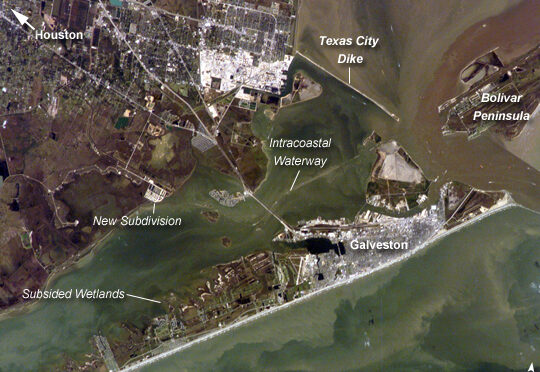
In 1997, my wife Lisa and I were driving to Pasadena, Texas, to visit a friend when we came upon a scene we would never forget. Police and investigators had converged near a retention pond, and although we knew something serious had happened, we had no idea what we had just driven into.
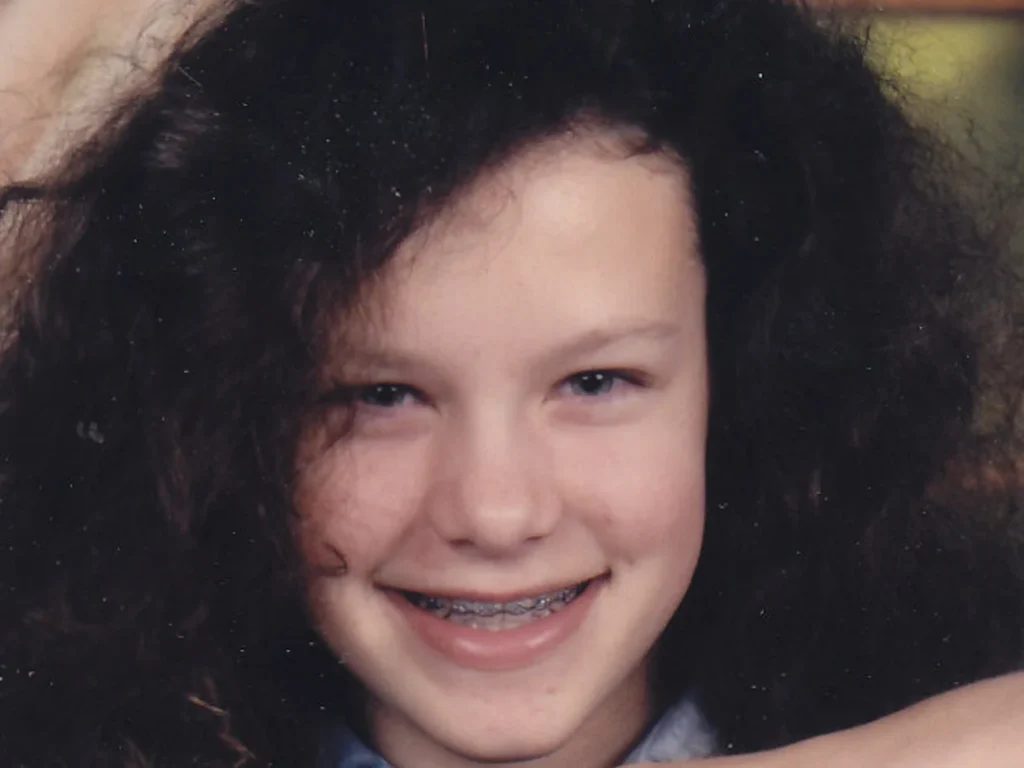
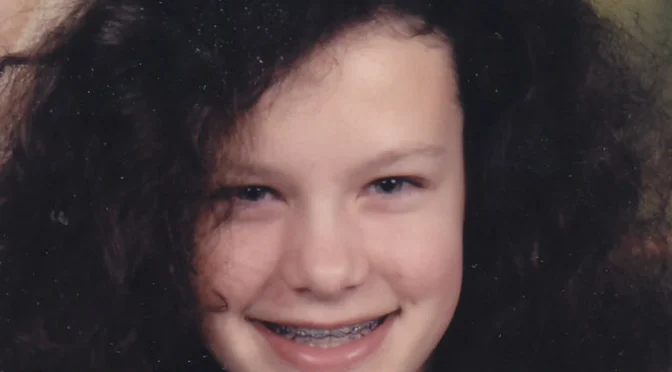
We would soon learn that the body of 12-year-old Laura Smither, who had disappeared while jogging near her Friendswood home, had been discovered there that very day. Nearly three decades later, I returned to that moment for a new episode of Dark Outdoors® and began digging into Laura’s case, serial killer William Reece and the disturbing history of the Texas Killing Fields. What I found takes the story far beyond what Lisa and I witnessed that heartbreaking day that still has an impact on both of us.
I’m not going to tell the rest of that story here. I want you to hear it the way it was meant to be told. Listen to the new episode of Dark Outdoors® for our personal connection to the Laura Smither case and a deeper investigation into the Texas Killing Fields.
Apple Podcasts:
https://podcasts.apple.com/us/podcast/texas-killing-fields-justice-after-42-years/id1630809603?i=1000787710625
Spotify:
https://open.spotify.com/episode/6djew5Zlf7zkka56cSkkf5…
Follow and subscribe to Dark Outdoors® so you don’t miss what’s coming next—because the outdoors has a dark side.
And the timing of this episode could hardly be more remarkable. Just as it was being released, one of the most infamous chapters in Texas Killing Fields history suddenly produced major news after more than four decades.
Breaking News From the Texas Killing Fields
On Sept. 2, 2026, a Galveston County jury found James Dolphs Elmore Jr. guilty of manslaughter in the death of 16-year-old Laura Miller. The following day, Elmore was sentenced to 20 years in prison, the maximum punishment for the charge.
Miller disappeared in 1984, and her remains were discovered 17 months later in the infamous Calder Road field in League City. She was one of four women whose bodies were found at that location between 1984 and 1991, along with Heidi Fye-Villareal, Audrey Cook and Donna Prudhomme.
The Elmore verdict is historic. More than four decades after Miller disappeared, he became the first person convicted in connection with the death of any of the four women whose bodies were discovered at the Calder Road site.
The development puts new attention on cases that have haunted the Houston-Galveston area for decades. The term “Texas Killing Fields” has been applied more broadly to a string of murders and disappearances involving girls and young women along the Interstate 45 corridor between Houston and Galveston. Authorities have investigated numerous cases in the region, and the evidence has pointed not toward one predator responsible for everything, but potentially multiple killers operating across different periods.
That is one of the things that makes the history of this region so disturbing.
Where Civilization Meets Isolation
The geography itself is part of the story. Interstate 45 runs through heavily populated communities, but not far from the freeway are marshes, bayous, fields, industrial areas, drainage systems and isolated stretches of road. Development and wild country can exist remarkably close together.
For most people, these are simply pieces of the Gulf Coast landscape. For someone with predatory intentions, however, an isolated road or forgotten field can offer something entirely different: access, concealment and a quick route back toward a major highway and millions of people.
That is also why this story belongs on Dark Outdoors®.
We often think of outdoor danger in terms of wildlife. Bears, mountain lions, sharks and venomous snakes command our attention because they represent predators we instinctively understand. Yet some of the darkest stories connected to woods, marshes, trails, rural roads and isolated places involve a very different kind of predator.
Human beings.
The Texas Killing Fields are an extreme example of what can happen along that boundary between civilization and isolation. You don’t necessarily have to travel deep into wilderness to become vulnerable. Sometimes the darkness exists only a few turns off a busy highway.
A Story That Isn’t Over
The conviction of James Elmore is a reminder that even after four decades, investigators and families have not necessarily reached the end of these stories. Advances in forensic science, renewed investigations and people willing to keep asking questions can bring movement to cases that once seemed destined to remain mysteries.
There are still unanswered questions surrounding the Texas Killing Fields, and there are families who have waited decades for answers. The Calder Road cases represent only one part of a much larger and darker history along the I-45 corridor.
For me, though, this story will always lead back to that day in 1997 when Lisa and I drove toward Pasadena and unexpectedly found ourselves on the edge of something terrible. At the time, we didn’t understand what we were seeing or how that moment connected to a much larger story.
Nearly 30 years later, I went back to it.
Hear that story—and much more—in the new episode of Dark Outdoors®.
Apple Podcasts:
https://podcasts.apple.com/…/dark-outdoors/id1630809603…
Spotify:
https://open.spotify.com/episode/6djew5Zlf7zkka56cSkkf5…
Follow and subscribe to Dark Outdoors® wherever you listen to podcasts.
Because the outdoors has a dark side.
Chester Moore
Follow Chester Moore on the following social media platforms
@gulfgreatwhitesharksociety on Instagram
To support the efforts of Higher Calling Wildlife® click here.
Subscribe to the Dark Outdoors podcast on all major podcasting platforms.
Higher Calling Wildlife on Facebook
Email Chester at chester@chestermoore.com.