By Chester Moore
Most people walk into parks, trails and open country looking for something positive.
Maybe it’s a few miles of exercise, a chance to photograph wildlife or simply an opportunity to get away from traffic and noise. Hikers look for overlooks. Hunters notice tracks. Birders watch the trees. Those of us who have spent our lives outdoors develop a habit of looking at the ground for tracks, sheds, feathers and anything else that catches our attention.
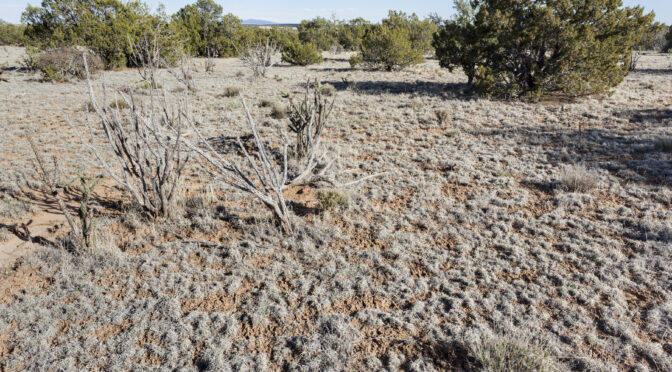
Christine Ross was simply walking her dog, Ruca, across Albuquerque’s West Mesa on Feb. 2, 2009, when something caught her attention.
It was a bone protruding from an earthen trail.
Ross photographed it and sent the image to her sister, a registered nurse, who thought it looked like a human femur. Ross contacted the Albuquerque Police Department, and investigators soon confirmed the bone was human.
Then they started searching.
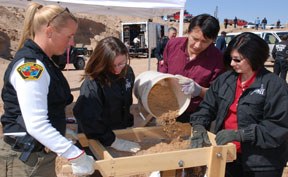
What they eventually uncovered was almost incomprehensible. The skeletal remains of 11 women and an unborn child had been buried in makeshift graves across the mesa.
An ordinary walk outdoors had led directly into what became the largest crime scene in Albuquerque history.
For anyone who hikes, camps, hunts, fishes or explores remote country, there is something particularly disturbing about that.
When a Trail Becomes a Crime Scene
I’ve spent much of my life exploring places most people would consider remote, and one of the things I’ve learned is that wild and undeveloped landscapes can conceal things remarkably well.
Anyone who has tried to follow a blood trail through thick brush understands how quickly something can disappear. Hunters sometimes walk within yards of a downed deer without seeing it. A backpack dropped into thick vegetation can vanish from sight. An abandoned vehicle can sit surprisingly close to a road while trees and brush make it almost invisible.
Now imagine what time can do.
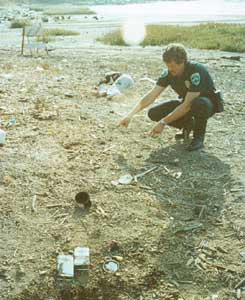
Vegetation grows. Rain moves soil. Wind changes exposed ground. Animals disturb objects and remains. Trails appear and disappear. Development changes access to places that were once isolated.
The outdoors doesn’t care whether something is evidence.
It simply keeps changing.
That’s one reason wilderness and undeveloped areas can become incredibly difficult crime scenes. A person can disappear into country that doesn’t look particularly intimidating on a map and become extraordinarily difficult to locate.
The West Mesa case demonstrates that in the darkest possible way.
They Were Beneath the Landscape
The remains discovered during the West Mesa investigation belonged to Monica Candelaria, Victoria Chavez, Virginia Cloven, Syllannia Edwards, Cinnamon Elks, Doreen Marquez, Julie Nieto, Veronica Romero, Evelyn Salazar, Michelle Valdez and Jamie Barela. Valdez was pregnant, and the remains of her unborn child were recovered with her.
Two of the victims, Syllannia Edwards and Jamie Barela, were only 15 years old.
These women had disappeared years before Christine Ross walked across the mesa with Ruca. Police believe their deaths were homicides, but the person responsible has never been identified.
That means people had undoubtedly passed through the broader landscape without realizing what was there.
I find that aspect of the case almost as disturbing as the discovery itself.
We tend to think that if something terrible happened near a trail, park or outdoor recreation area, somebody would notice. Surely a hiker would see something. Maybe a hunter would stumble across evidence or someone walking a dog would smell or notice something unusual.
Sometimes that happens.
Sometimes it takes years.
Why Remote Places Attract More Than Outdoorsmen
Isolation is one of the things we seek when we go outdoors.
It’s why people backpack into wilderness areas instead of walking around city blocks. It’s why hunters travel deep into national forests and why fishermen launch boats into places where they won’t see another person all morning.
We want solitude.
Unfortunately, there are people who seek isolation for very different reasons.
I’ve written before about the importance of paying attention to unusual human activity in remote country. I once stumbled into an area associated with a meth lab, and that experience permanently changed the way I view certain signs in the woods.
The overwhelming majority of people you encounter outdoors are simply doing the same thing you are. They’re hiking, fishing, hunting, camping, working or enjoying the land.
But criminals understand geography, too.
A secluded road can provide privacy. An isolated trail means fewer witnesses. Undeveloped property can offer places where vehicles aren’t immediately noticed. Deserts, forests and swamps can conceal evidence in ways an urban environment cannot.
That’s not a reason to be frightened every time you enter the woods.
It’s a reason to pay attention.
Hikers Find Things
There’s an interesting reality surrounding outdoor recreation that doesn’t receive much attention.
Hikers, hunters, fishermen and other outdoorsmen sometimes become accidental evidence finders.
Think about where we go.
Hunters deliberately leave established trails and move through brush where most people never walk. Shed hunters spend hours staring at the ground searching for pieces of bone. Anglers follow creeks into isolated areas. Wildlife photographers explore places where animals concentrate. Hikers investigate old trails, overlooks and forgotten roads.
We’re looking at places other people aren’t.
That’s why outdoorsmen occasionally discover abandoned vehicles, clothing, weapons, personal belongings and human remains associated with missing-person and criminal investigations.
Most of the bones you find outdoors will obviously belong to wildlife. Deer remains are common in many areas. So are hogs, livestock and countless smaller animals.
But every once in a while, someone realizes the bone they’re looking at doesn’t belong to an animal.
At that point, everything changes.
Don’t Become the Investigator
If you ever encounter something outdoors that you genuinely believe could be human remains, your job isn’t to solve the mystery.
Don’t start collecting bones.
Don’t rearrange objects so you can photograph them better. Don’t search pockets, move clothing or start digging to see whether anything else is underneath.
Leave the scene as you found it and contact law enforcement.
There are several reasons for this.
First, you may be looking at a crime scene. Objects that appear completely insignificant could have evidentiary value investigators understand better than you do.
Second, where something is located can matter as much as the object itself. Moving evidence destroys information about its original position.
And finally, you don’t know what happened there.
An isolated set of remains could belong to someone who became lost or suffered a medical emergency. It could be a suicide, accident or homicide. Until investigators determine what occurred, treating the location carefully protects both the investigation and the person whose remains you’ve discovered.
Take note of where you are so authorities can find the location, back away and make the call from somewhere safe.
What Else Is Still Out There?
The West Mesa case contains another element that should interest anyone who spends time in wild or undeveloped country.
Investigators have identified additional missing women they believe could potentially be connected to the case.
That raises an obvious and unsettling question.
Could there be another burial site?
Police have conducted searches in other areas during the years since the original discovery, but the murders remain unsolved.
That’s one of the harsh realities of missing-person investigations involving outdoor environments. Searchers can cover enormous areas and still miss something.
I’ve participated in enough outdoor activities to understand how deceptive terrain can be. You can look across an open area and think you can see everything, but depressions, vegetation and changes in elevation create countless blind spots.
Put the same problem into thick timber, mountainous terrain or swamp and the difficulty increases dramatically.
Searching isn’t simply walking through an area and looking around.
Sometimes what you’re searching for is only feet away and still invisible.
A Dog Found What Everyone Else Had Missed
That’s why I keep coming back to Ruca.
A dog walking across the mesa noticed something protruding from the ground.
That one discovery changed everything.
Had Christine Ross taken another route that day, someone else might eventually have found the remains. Development might have exposed them. Weather could have uncovered additional evidence.
But we don’t know when that would have happened.
The landscape had already concealed the victims for years.
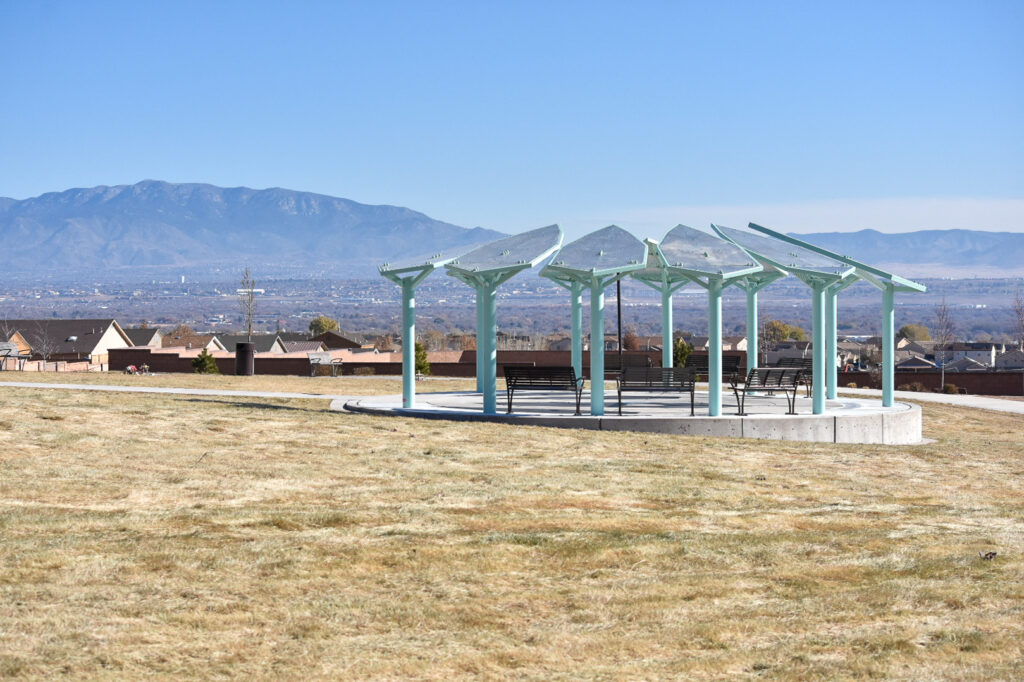
Today, the burial area has been transformed. Albuquerque dedicated Women’s Memorial Park there in 2020, creating a place that remembers the women whose remains were discovered beneath the mesa.
Their names deserve to be remembered: Monica Candelaria, Victoria Chavez, Virginia Cloven, Syllannia Edwards, Cinnamon Elks, Doreen Marquez, Julie Nieto, Veronica Romero, Evelyn Salazar, Michelle Valdez and Jamie Barela.
They weren’t simply part of a famous crime scene.
They were people.
Remember This the Next Time You’re on a Trail
I don’t tell stories like West Mesa to make people afraid of parks, trails or wild places.
Quite the opposite. I’ve devoted my life to getting people outdoors.
But I also believe outdoorsmen should understand the environments we enter, including the darker possibilities.
Pay attention to what you see.
If you encounter an abandoned pack in an unusual location, don’t immediately start rummaging through it. If you find clothing or personal belongings scattered somewhere that doesn’t make sense, remember the location. If you discover something that could be human remains, don’t disturb it.
And if you encounter human activity in remote country that seems completely inconsistent with the location, there’s nothing wrong with turning around.
Most strange things we encounter outdoors have innocent explanations. Most bones belong to animals. Most abandoned objects are simply trash somebody should have carried out.
But “most” isn’t “all.”
On Feb. 2, 2009, Christine Ross went outside with her dog for a walk.
Ruca found a bone.
Police eventually found 11 women and an unborn child.
It’s difficult to imagine a darker reminder that sometimes the landscape beneath our hiking boots contains stories we cannot see.
Chester Moore
Follow Chester Moore on the following social media platforms
@gulfgreatwhitesharksociety on Instagram
To support the efforts of Higher Calling Wildlife® click here.
Subscribe to the Dark Outdoors podcast on all major podcasting platforms.
Higher Calling Wildlife on Facebook
Email Chester at chester@chestermoore.com.