
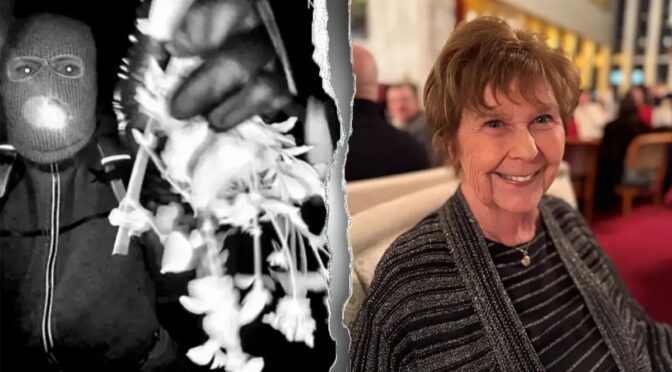
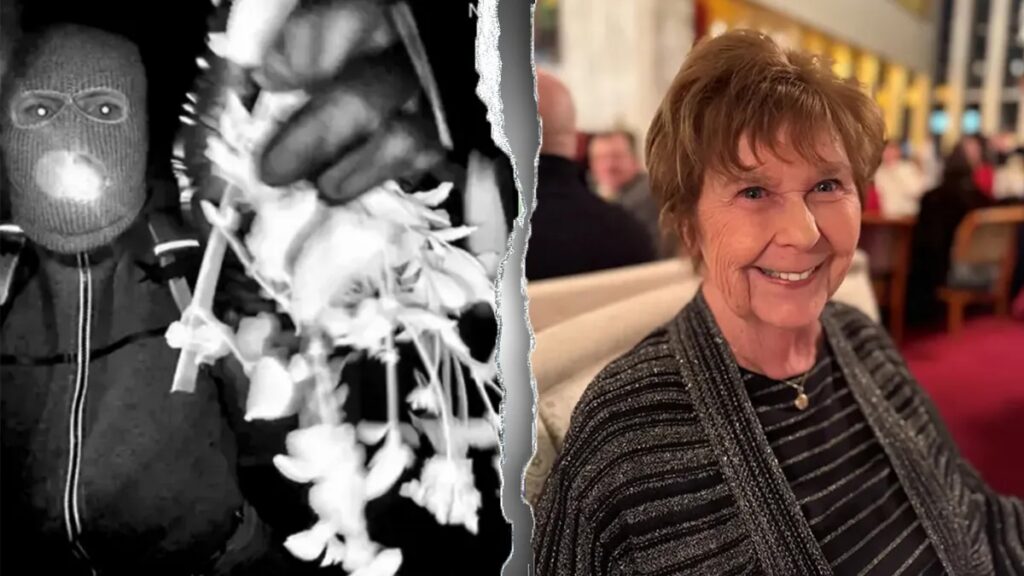
The first thing that caught my attention about the Nancy Guthrie case wasn’t that she disappeared.
Sadly, America sees missing person cases every day. Most never become national news. This one did because Guthrie is the mother of NBC “Today” co-anchor Savannah Guthrie. Like millions of Americans, I followed the headlines as investigators searched for answers. But as more information became public, it wasn’t the celebrity connection that kept drawing me back to the story.
It was the setting.
During one of the first media briefings, investigators mentioned the rugged desert surrounding Guthrie’s home. There was even discussion of mountain lions and coyotes. Having spent more than three decades covering wildlife and dangerous situations in the outdoors, that immediately struck me as odd. A mountain lion attack doesn’t simply erase someone. It leaves unmistakable evidence. From everything investigators were saying, it was obvious this was something entirely different.
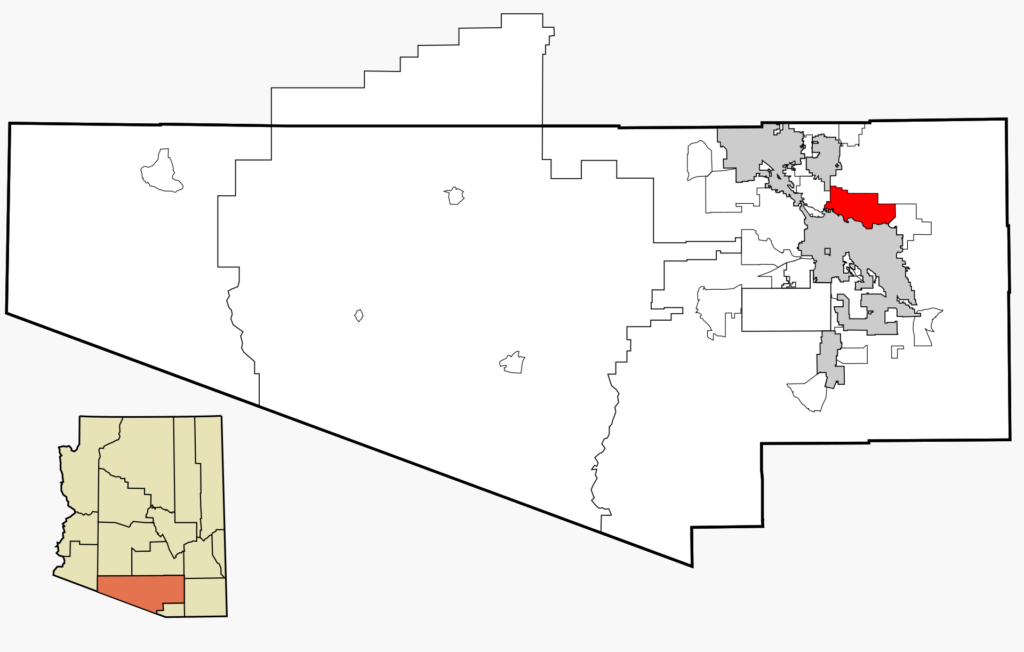
Then I pulled up aerial maps of the neighborhood.
I found myself studying the winding roads, the homes backed against open desert and the natural terrain surrounding the community. Instead of looking at the case only through the lens of a missing person investigation, I began looking at the landscape itself. What advantages might it offer someone intent on committing a crime? What challenges would it create for investigators trying to reconstruct what happened?
Those questions led me to invite Daniel, host of the Drunk Turkey Show and a former law enforcement officer, to join me on Dark Outdoors. His program has closely followed the Guthrie investigation, and I wanted to hear his perspective on something that had been bothering me since I first saw the maps.
Listen to the Dark Outdoors® interview with Daniel from the Drunk Turkey Show:
- Apple Podcasts: https://podcasts.apple.com/us/podcast/the-desert-hides-secrets-nancy-guthrie-isolation/id1630809603?i=1000779228197
- Spotify: https://open.spotify.com/episode/4LEZB73jz0NmVl0gc8vvns?si=1-ZQtwIARaKciKvCQVRKUw
Did the location itself help whoever committed this crime?
“I think it could have been an advantage to the person,” Daniel said. “The area definitely was an advantage to the guy.” He pointed to several factors that stood out immediately, including the neighborhood’s somewhat rural character, less-than-ideal cellular coverage and the darkness surrounding the community.
That answer immediately changed the direction of our conversation.
Most public discussions surrounding high-profile criminal investigations focus on suspects, motives or forensic evidence. Daniel instead focused on geography. Before talking about who might have committed the crime, he talked about why this particular place may have appealed to someone willing to commit it.
One aspect of the neighborhood especially caught his attention.
“They don’t have any corner lights,” Daniel said. “It’s super dark.”
He believes those conditions suggest whoever committed the crime may have possessed a familiarity with the area that extended beyond simply driving through it.
“That’s one of the things that makes me feel like the guy’s somewhat familiar with the area, whether that’s he’s from the area or he did a certain amount of surveillance in the area,” Daniel said.
That observation shouldn’t be confused with evidence identifying a suspect. Daniel wasn’t claiming investigators had reached that conclusion. He was explaining how experienced investigators often begin evaluating a crime scene. They study the environment. They look at access routes, visibility, lighting and how someone could move into and out of an area without attracting attention.
Listening to him reminded me of something I’ve noticed while reporting on outdoor-related crime over the last three decades.
Some of the most challenging investigations I’ve covered haven’t unfolded deep in the wilderness or in the middle of crowded cities. They’ve occurred in those places where neighborhoods blend into natural landscapes—desert communities, wooded subdivisions, greenbelts and trail systems where people seek peace, privacy and a connection with the outdoors. Most of those places are incredibly safe. But when someone with evil intentions understands the terrain better than everyone else, the landscape itself can become an advantage.
Daniel pointed to another factor that deserves consideration.
From what he understands, cellular coverage in portions of the area isn’t ideal. That, he said, could make it more difficult to narrow the location of devices or reconstruct movements during critical moments of the investigation. At the same time, he noted the neighborhood is not isolated wilderness. It contains numerous homes and regular vehicle traffic, making the investigative picture even more complicated.
That complexity is one reason the Guthrie case has remained so compelling. Cases like this remind us that modern investigations rarely depend on one piece of evidence. Instead, detectives assemble hundreds or even thousands of small details until they begin forming a clearer picture of what happened.
As our discussion continued, however, Daniel shifted away from geography and began talking about something that immediately caught my attention.
Technology.
Not technology used by investigators.
Technology that may have been understood—or even used—by whoever committed the crime.
That immediately made me think of another case that forever changed how many investigators look at modern offenders.
Bryan Kohberger.
The man accused of murdering four University of Idaho students wasn’t simply another homicide suspect. Prosecutors allege he attempted to minimize the digital trail surrounding the crime, altered his driving route afterward and possessed an academic interest in criminal investigations. Ultimately, investigators used a combination of DNA, surveillance footage and digital evidence to build the case against him.
Whether Kohberger intended it or not, that investigation demonstrated something important.
Today’s offenders aren’t just learning how to commit crimes.
Some appear to be learning how investigators solve them.
I asked Daniel whether he believed we may be witnessing a new generation of offenders—people who understand cameras, digital evidence and modern investigative techniques better than many criminals of the past.
His answer surprised me.
He said what first pushed him in that direction wasn’t one dramatic piece of evidence. It was a collection of small details that, when viewed together, painted a very different picture.
He pointed to a camera system that appeared to record activity before and after a critical period but not during it. He mentioned reports that multiple nearby homes experienced internet issues that night. He noted what he believed was an individual who appeared aware of where cameras were positioned and how they functioned. None of those observations establish what happened or identify a suspect, but together they caused him to begin looking at the case through a different lens.
As Daniel laid out his reasoning, I realized we were no longer discussing only the Nancy Guthrie investigation.
We were talking about whether violent offenders themselves may be evolving.
For decades, crime stories have often portrayed killers as impulsive or reckless. Increasingly, some investigators are confronting offenders who study forensic science, understand digital technology, research investigative procedures and attempt to anticipate how law enforcement will respond. Cases like Kohberger’s suggest that possibility is no longer theoretical.
Then Daniel made another observation that stopped me.
He believes there may be one more piece to the puzzle in the Guthrie case—one that could push this conversation even further into the modern age.
It wasn’t another witness.
It wasn’t DNA.

It wasn’t a cellphone.
It was the possibility that the person responsible may have understood technology in ways most people haven’t even considered.
That discussion led us into cameras, internet disruptions and one possibility that sounds more like something from a crime thriller than a real investigation.
A drone.
Next: Part Two — Cameras, Drones and the Rise of the High-Tech Predator.
Chester Moore
Follow Chester Moore on the following social media platforms
@gulfgreatwhitesharksociety on Instagram
To support the efforts of Higher Calling Wildlife® click here.
Subscribe to the Dark Outdoors podcast on all major podcasting platforms.
Higher Calling Wildlife on Facebook
Email Chester at chester@chestermoore.com.