
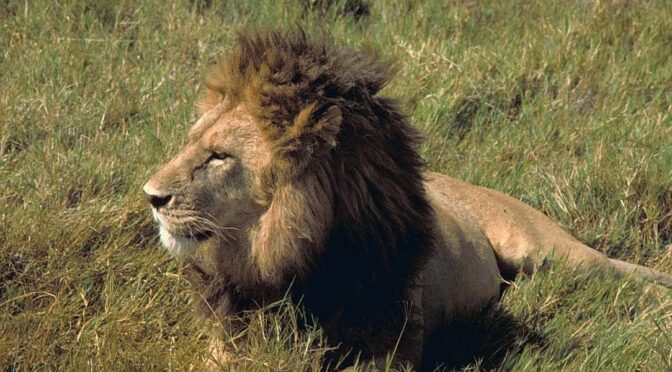
A man walked outside his Texas home and discovered a huge cat inside his chicken coop. It wasn’t a bobcat, and it didn’t look like a mountain lion. The animal he described looked like an African lion.
That encounter is at the center of a new episode of Dark Outdoors®, examining one of the strangest categories of wildlife reports I have investigated over the years: big cats that don’t seem to belong where people are seeing them.
LISTEN TO THE DARK OUTDOORS® EPISODE
Apple Podcasts:
https://podcasts.apple.com/us/podcast/he-found-a-lion-in-his-chicken-coop-in-texas/id1630809603?i=1000788610512
Spotify:
https://open.spotify.com/episode/3QaAVZ7vnU4cvByWbY8CJg?si=Xw1X5E8NR5KmIzzt8pHNGQ
A Lion Where No Lion Should Be
For decades, I have investigated reports of unusual cats in Texas and across the South. Mountain lions are responsible for some of them. Bobcats, especially when seen briefly or under unusual conditions, can account for others. Misidentification is a legitimate part of investigating any unusual wildlife report, and it should always be considered before looking for a more exotic explanation.
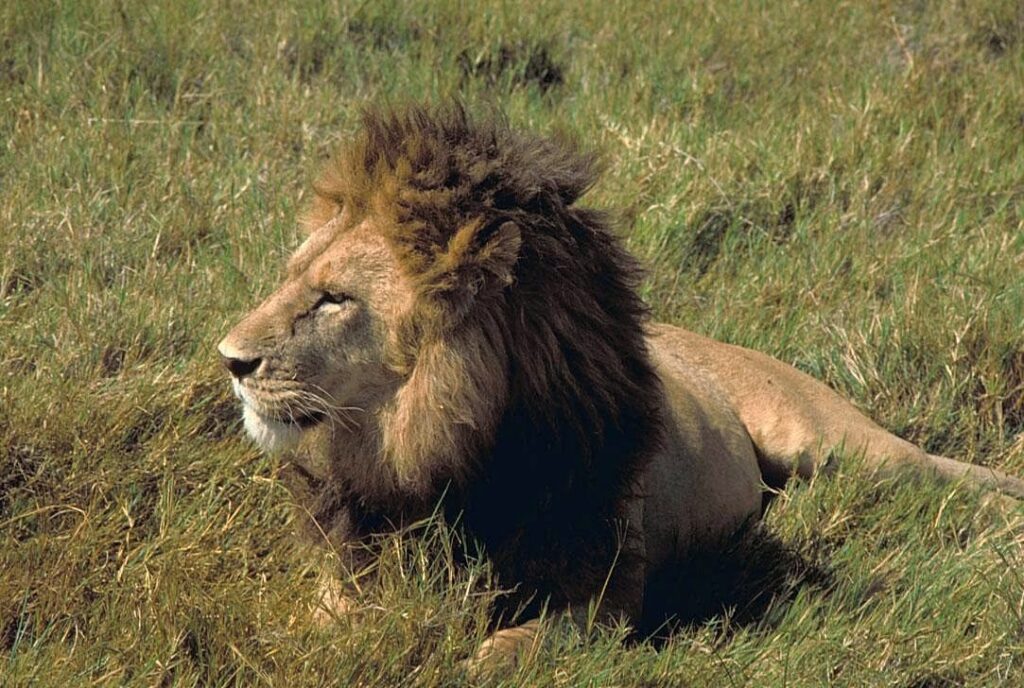
But occasionally a report comes along that doesn’t fit comfortably into those categories. The chicken-coop encounter is one of them. The witness described an animal that appeared to be an African lion. That’s an extraordinary claim, and without photographs, DNA or other physical evidence, there is no way to prove exactly what stood inside that coop.
The possibility of an exotic cat appearing in Texas, however, isn’t as impossible as it might initially sound. Texas has a long history of privately held exotic wildlife. Animals escape, and historically some have been deliberately released. In some cases, an exotic animal could potentially survive unnoticed for a period of time, particularly in remote country with abundant cover and prey.
That doesn’t mean every report of an unusual cat is an escaped exotic. It simply means the possibility shouldn’t automatically be dismissed when examining a credible report.
The Giant Tracks
The lion report isn’t the only strange big-cat case I discuss in this episode. I also recount one of my own investigations involving enormous cat tracks that immediately caught my attention because of their size.
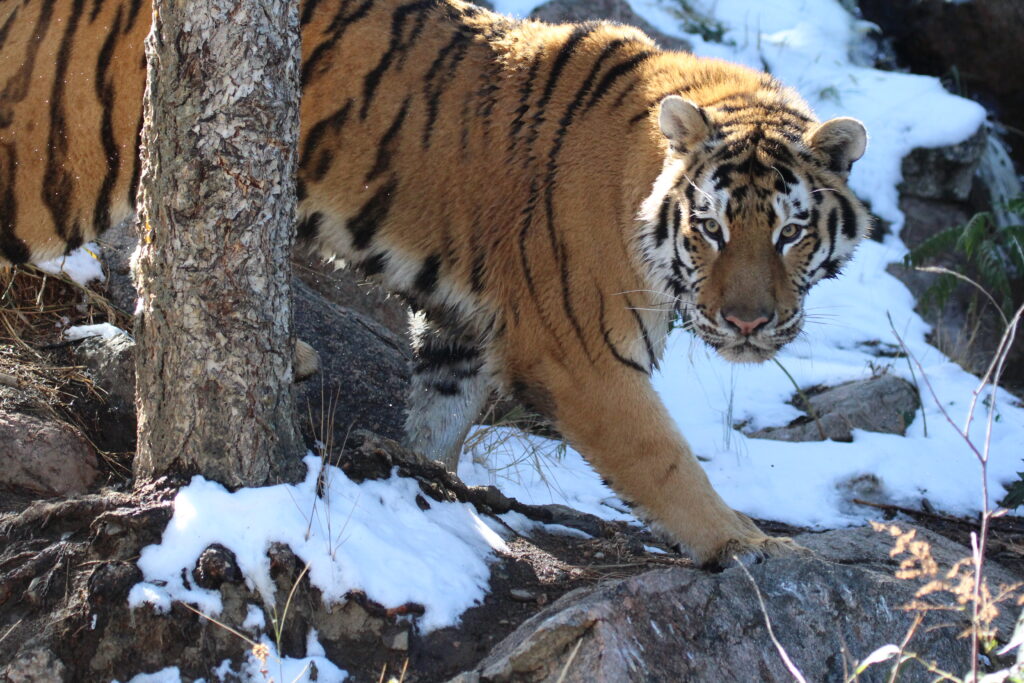
I’ve spent much of my life around wildlife and studying animal sign, and these tracks appeared far larger than what I expected to find from a native cat in that area. That doesn’t automatically make them evidence of some exotic predator. Tracks can be deceptive. Mud can distort a print, a paw can slip and multiple impressions can overlap.
Those possibilities always have to be considered, but when unusually large tracks begin showing up in the same broader conversation as reports of unusually large cats, the subject becomes much more interesting.
Could Exotic Cats Be Roaming Texas?
Texas is enormous, with millions of acres of forests, swamps, brush country, ranchland and river bottoms where an animal can remain surprisingly difficult to detect. Mountain lions themselves demonstrate how effectively a large predator can move primarily at night, avoid people and cover tremendous distances without being seen by most of the people living around it.
Now consider an escaped exotic cat behaving in much the same way. Could a lion, leopard or another large captive cat survive for some period of time in the wild? Under the right circumstances, it’s certainly possible. The much harder question is whether that possibility explains any particular sighting.
That’s where evidence matters. A witness report can begin an investigation, but tracks, photographs, video, hair, scat or DNA can move a case into an entirely different category.
But unfortunately A.I. has changed this to a large extent because it’s very difficult to believe any photo or video evidence.
The Mystery Cats of the South
Stories of strange cats have circulated through Texas, Louisiana and other parts of the South for generations. Some witnesses report oversized mountain lions. Others describe black cats they call panthers. Still others report animals whose size, coloration or physical appearance doesn’t seem to match any native species.
There is a temptation to put every one of those reports into the same box, but I don’t think that’s useful. Some are undoubtedly misidentifications. Some may involve actual mountain lions appearing in places where people aren’t accustomed to seeing them. Other reports simply don’t contain enough information to reach any conclusion.
Then there are the cases that remain difficult to explain. Those are the ones that have kept me interested in this subject for decades.
Something That Isn’t Supposed to Be There
The goal isn’t to turn every strange animal sighting into a monster story. It’s to investigate what people report and ask the right questions. What did the witness actually see? Does the description match known wildlife? Could an exotic animal have escaped in the area? Are there tracks, photographs, hair, scat or other physical evidence? Have independent witnesses reported something similar?
Those questions are far more interesting than simply declaring every unusual sighting impossible or, on the other extreme, believing every extraordinary claim without evidence. Most wildlife mysteries probably have ordinary explanations.
But every once in a while, somebody walks outside, looks into a chicken coop and sees something that isn’t supposed to be there.
That’s when things get interesting.
Chester Moore
Follow Chester Moore on the following social media platforms
@gulfgreatwhitesharksociety on Instagram
To support the efforts of Higher Calling Wildlife® click here.
Subscribe to the Dark Outdoors podcast on all major podcasting platforms.
Higher Calling Wildlife on Facebook
Email Chester at chester@chestermoore.com.