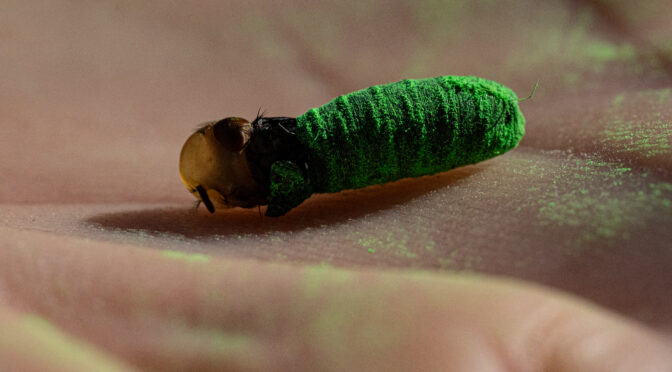
The New World screwworm doesn’t simply feed on something that’s already dead. Its larvae invade wounds and feed on the living flesh of warm-blooded animals.
That disturbing fact is part of what made the parasite such a nightmare for American ranchers and wildlife managers before it was eradicated from the United States decades ago. Now, in 2026, New World screwworm has returned to the U.S. mainland, and the battle to stop it has taken on new urgency.
But what if one of the next weapons against this flesh-eating parasite isn’t simply more traps, treatments or sterile flies?
What if it’s genetics?
That’s the subject of Episode 80 of the Dark Outdoors podcast, featuring a conversation between Chester Moore and Matt James of Colossal Biosciences about the potential for advanced genetic technologies to become part of the fight against New World screwworm.
For generations, one of the most effective weapons against New World screwworm has been the sterile insect technique.
Enormous numbers of sterile male flies are produced and released into areas where the parasite is present. Females that mate with those sterile males produce no viable offspring, allowing authorities to suppress the population.
It was an extraordinary biological weapon against an extraordinary parasite, and sterile insect releases remain central to the fight today.
But biotechnology has advanced dramatically since the original screwworm eradication campaign.
Colossal Biosciences has publicly discussed the potential for genetic biocontrol and gene-drive technology to be applied to New World screwworm. Instead of relying exclusively on repeated releases of sterile flies, advanced genetic techniques could potentially introduce traits designed to interfere with reproduction and spread those traits through a population.
That possibility is at the center of Moore’s conversation with James.
The discussion examines what these emerging technologies might mean, how genetics could potentially complement existing eradication methods and where the science could go from here.
Wildlife Could Pay the Price
This parasite is often discussed as a livestock problem, but cattle aren’t the only animals at risk.
New World screwworm can infest warm-blooded animals when female flies lay eggs in wounds. That puts wildlife in a particularly difficult position because wild animals can’t be routinely inspected the way livestock can.
A deer injured while fighting, a wild sheep wounded on the landscape or another animal suffering even a relatively small injury could potentially become infested.
The United States has already seen what screwworm can do to wildlife.
When New World screwworm appeared in the Florida Keys in 2016, endangered Key deer were hit hard. That outbreak remains an important warning about what can happen when the parasite reaches a vulnerable wildlife population.
The return of screwworm to the U.S. mainland makes the development of every effective control tool worth watching.
Genetics and the Future of Conservation
The larger question explored in Episode 80 goes beyond screwworm.
Modern biotechnology is creating possibilities for wildlife conservation that would have sounded like science fiction not long ago. Scientists are exploring genetics as a way to preserve endangered species, restore genetic diversity and address biological threats.
Screwworm turns that idea around.
Could some of the same rapidly advancing genetic technologies being considered to help wildlife also be used against an organism capable of devastating wildlife and livestock?
There are enormous scientific and ecological questions surrounding these technologies, and no single approach replaces the proven methods already being used against this parasite.
But the possibilities are fascinating.
The New World screwworm is back.
Could genetics help send it away again?
Listen to Dark Outdoors Episode 80: “Can Genetics Stop the Screwworm? A New Weapon Against a Flesh-Eating Parasite” on Apple Podcasts and Spotify.
Related Dark Outdoors Screwworm Coverage
New World Screwworm Resource Center Follow Dark Outdoors’ continuing coverage of the screwworm threat, wildlife implications, interviews and new developments.
Texas Faces Screwworm. The Key Deer Did 10 Years Ago Chester Moore talks with Dr. Roel Lopez about the devastating 2016 Key deer outbreak and what that experience could teach us about protecting wildlife today.
Flesh-Eating Screwworm Is A Huge Threat — And It’s Back In America Legendary wildlife biologist Larry Weishuhn discusses his firsthand experience with screwworm and why the parasite’s return deserves serious attention.
Dark Outdoors investigates terrifying encounters, unsolved mysteries, true crime and dangerous wildlife.
Hosted by award-winning wildlife journalist Chester Moore, the podcast explores the stories, threats and mysteries found where people and the wild intersect.
Because the outdoors has a dark side.
Chester Moore
Follow Chester Moore on the following social media platforms
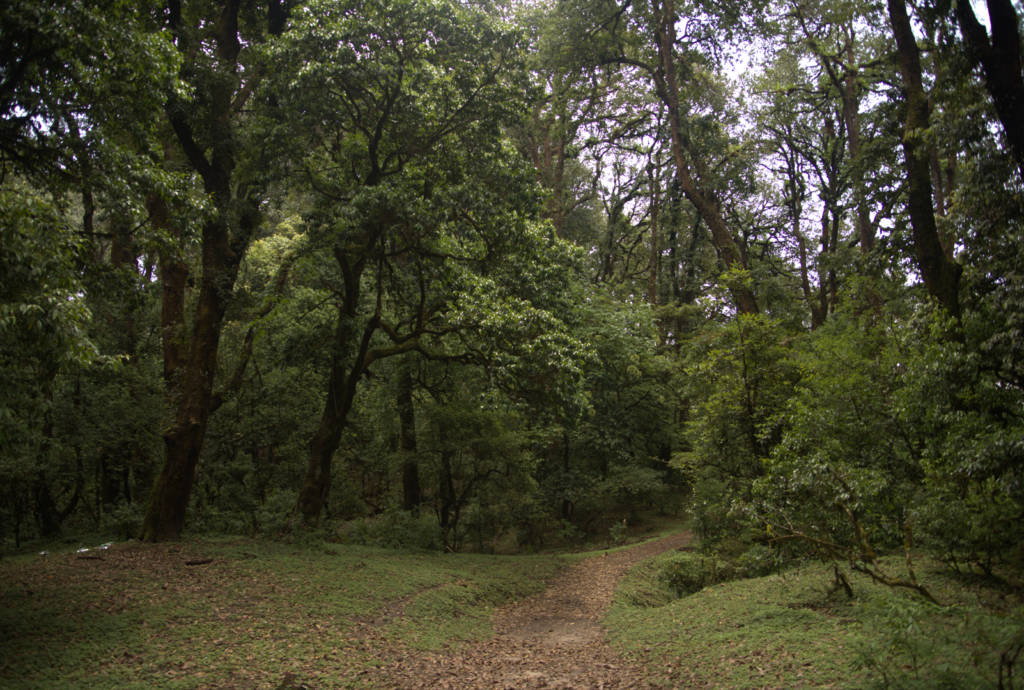
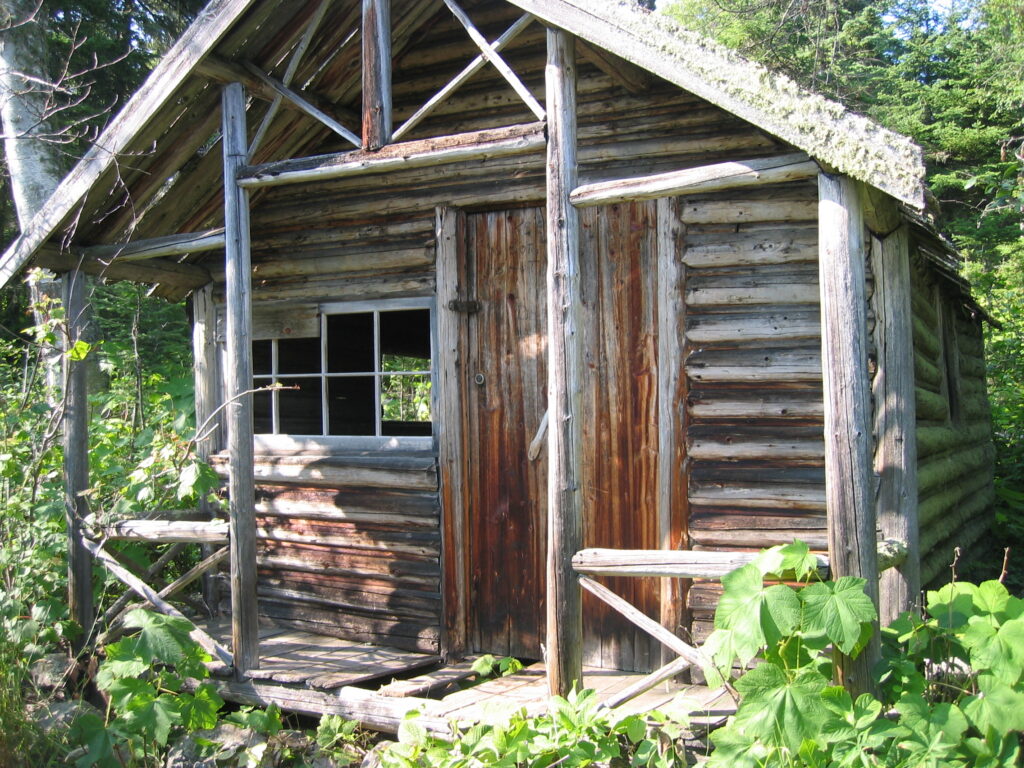
There are certain things you expect to find when you get deep into wild country. Game trails winding through timber are normal, as are tracks from hunters, hikers and fishermen in places where people have legitimate reasons to travel. An old logging road cutting through a forest or ATV tracks on public land aren’t automatically anything to worry about.
But sometimes the amount of human activity doesn’t match the location, and that’s when I start paying attention.
One of the most important outdoor safety lessons I can give anyone who spends time hiking, hunting, fishing, photographing wildlife or exploring remote country is to notice human sign that doesn’t make sense. If you’re miles from where you would expect much activity and suddenly encounter heavily worn footpaths, repeated tire or ATV tracks, unusual amounts of trash or makeshift camps in strange locations, don’t automatically assume you’ve discovered an interesting place to explore. There might be a perfectly innocent explanation, but sometimes the smartest move you can make outdoors is turning around.
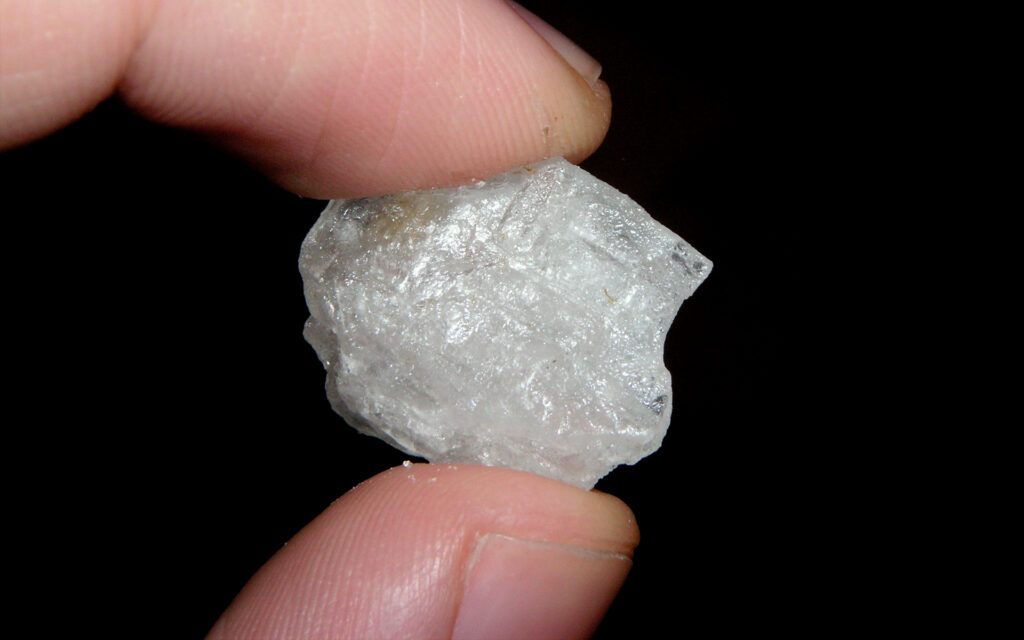
I’ve learned that firsthand. Years ago, I was exploring an area when I began noticing things that didn’t fit. There was too much evidence of people for the location, and eventually I found out why. I had stumbled into an area associated with a meth lab.
That experience permanently changed the way I look at human sign in isolated places. Wildlife gets most of the attention when outdoor danger is discussed, but I’ve spent decades investigating dangerous wildlife encounters and strange situations in the woods, and some of the circumstances that concern me most involve people. A bear generally has a reason for what it does, and so does a venomous snake. A criminal who believes you’ve discovered something you weren’t supposed to see introduces an entirely different kind of danger.
When Human Sign Doesn’t Fit
People who learn tracking are usually taught to look for wildlife sign. Tracks, scat, rubs, beds and feeding activity can reveal an incredible amount about what animals are doing in an area, but I think outdoorsmen should learn to read human sign as well.
Context is everything. A well-used trail half a mile from a popular campground isn’t unusual, and tire tracks around a hunting lease during deer season aren’t mysterious. Beer cans around an easily accessible fishing hole might be disgusting, but they’re unfortunately not surprising. The situation changes when you’re deep in an isolated area where the amount or type of activity seems completely out of proportion with the surroundings.
Maybe you’re following an obscure trail and discover another path that looks far more heavily traveled than anything around it. Perhaps repeated vehicle tracks lead somewhere that doesn’t appear to have any recreational reason for traffic. You might find discarded supplies, unusual camps or other evidence suggesting people are spending substantial amounts of time in a place where you wouldn’t expect anyone to be.
None of those things automatically means criminal activity is occurring, and that’s important to remember. There can be perfectly innocent explanations for unusual activity in the woods, and you shouldn’t convince yourself that every piece of trash or tire track belongs to some criminal operation. At the same time, you aren’t obligated to satisfy your curiosity and find out what’s at the end of every strange trail.
That’s probably the biggest lesson I took from my own experience. When something doesn’t feel right, you don’t win anything by discovering exactly what’s happening.
You Don’t Need to Investigate
There is a natural tendency among outdoorsmen to explore. That’s part of why we’re out there in the first place. We want to know what’s over the next ridge, where an old logging road goes or what is around the next bend in a creek. I’ve built much of my career around that same curiosity.
But there are times when curiosity can get you into serious trouble.
If you encounter something that genuinely causes you to suspect illegal activity in a remote location, create distance and get out. You don’t need photographs, you don’t need to walk another hundred yards to see where the trail goes, and you certainly don’t need to confront anyone. Once you’re somewhere safe, authorities can determine whether what you saw deserves investigation.
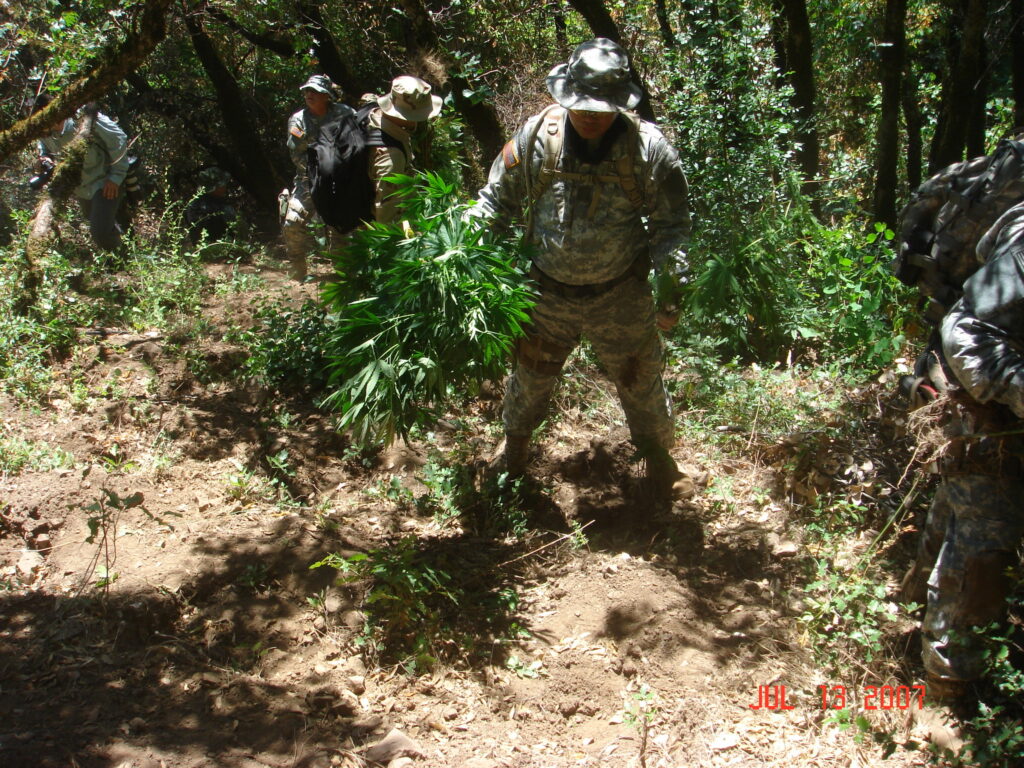
Illegal activity in wild places isn’t limited to one thing. Over the years, law enforcement agencies have encountered clandestine drug operations, illegal marijuana grows, smuggling activity, stolen property and other criminal enterprises in isolated outdoor areas. Remote country provides exactly what criminals sometimes want: fewer witnesses and less chance of somebody accidentally wandering through.
The problem is that outdoorsmen do wander through. Hunters follow game, anglers explore creeks, wildlife photographers move off established routes looking for animals and hikers wonder where old trails lead. That sense of exploration is one of the things I love most about the outdoors, but it also means we can accidentally enter places where someone desperately doesn’t want visitors.
The Dark Side of Illegal Grows
Illegal growing operations provide a particularly disturbing example.
The marijuana landscape has changed dramatically in America, but legalization in various states did not make illegal grows disappear. Unauthorized cultivation has continued on public and private lands, and some operations have been associated with organized criminal activity. These sites can also have serious environmental consequences involving habitat destruction, trash, water diversion and chemicals that threaten wildlife and waterways.
For the person who accidentally discovers one, however, the immediate concern is much simpler: Who is protecting it?
I’ve collected frightening accounts involving people who encountered growing operations or suspicious activity in remote country. One of the areas that inevitably comes up in discussions of this subject is Northern California’s so-called “Murder Mountain” region, which became internationally known through the Netflix documentary series examining disappearances, crime and the underground marijuana economy surrounding Humboldt County.
One of the stories we’ve discussed through Dark Outdoors involves an encounter near that infamous region. Another account involved something that sounds like it came straight out of a horror movie—a trained dog being sent after a hiker who had discovered a growing area.
Think about how quickly the normal rules of outdoor safety change in that situation. You’re hiking through the woods, realize you’ve walked into someplace you probably shouldn’t be and suddenly your concern isn’t a mountain lion, bear or rattlesnake. It’s a dog being deliberately used against you by another human being.
That is an entirely different category of outdoor threat.
Sometimes People Are the Biggest Danger
A major part of what I do with Dark Outdoors involves examining the things that can go wrong beyond the pavement. Some of those stories involve wildlife, and I’ve investigated animal attacks and encounters with bears, sharks, big cats, venomous animals and other creatures capable of seriously injuring or killing a person.
I respect those threats, but wildlife behavior often has patterns we can learn. We can study bear behavior and understand circumstances that increase the potential for conflict. We can learn where venomous snakes are likely to be encountered. We can study how mountain lions hunt and what might cause one to behave unusually around people. Knowledge doesn’t eliminate danger, but it gives us tools for reducing risk.
Human beings are harder to predict.
Someone protecting an illegal operation might be frightened you’re going to report them. They might be under the influence of drugs. They might be armed, desperate, paranoid or violent, and you have no way of knowing what you’re dealing with.
That’s why recognizing the situation before you walk into the middle of it matters so much.
Read the Country Around You
I believe strongly in situational awareness outdoors. That means occasionally stopping and actually looking at what’s around you instead of moving constantly toward your destination.
Ask yourself what has changed. Are you suddenly seeing more human tracks? Is there vehicle traffic where you wouldn’t expect it? Has a barely visible trail become heavily worn? Are there signs people are staying in an isolated area for extended periods? Does something simply seem out of place?
None of these observations should turn you into a paranoid wreck every time you go into the woods. Millions of people enjoy America’s wild places without encountering anything remotely like an illegal operation. The point isn’t to be afraid of every footprint you find. The point is to remain aware of your surroundings and recognize when the evidence around you doesn’t fit the location.
Outdoorsmen already use this kind of thinking constantly. A deer hunter notices a fresh scrape and starts considering how recently a buck passed through. A fisherman sees nervous bait along a shoreline and starts looking for predators. A turkey hunter finds tracks crossing a road and knows birds are using the area. A wildlife photographer hears alarm calls and realizes something has disturbed the animals nearby.
We recognize patterns because patterns tell us what’s happening around us. Human patterns deserve the same attention.
Don’t Let Curiosity Make the Decision
I understand the temptation to investigate something strange better than most. My career has been built around asking questions, investigating wildlife mysteries, following unusual reports and going places where interesting things have happened. Dark Outdoors itself exists partly because I’m fascinated by the things that happen beyond the edges of normal civilization.
But there is a difference between investigating a story and blindly walking into a potentially dangerous situation.
If you’re alone in remote country and discover convincing signs that something illegal might be occurring, you aren’t law enforcement and you aren’t obligated to solve the mystery. Back out the way you came if that’s the safest route, avoid confrontation and don’t announce your presence. Don’t handle suspicious materials or enter structures simply to see what’s inside. Once you’re safely away, provide authorities with whatever useful information you can remember about the location and what you observed.
There is no discovery or story worth getting hurt over, and there is certainly no reason to risk a confrontation simply because you want to know what’s at the end of a trail.
The Trail That Doesn’t Belong
I still love finding obscure trails. There is something irresistible about an old path disappearing into timber or a forgotten road cutting through country that looks like it hasn’t changed in decades. Those places are part of what makes exploring the outdoors special.
My experience stumbling into an area associated with a meth lab, however, taught me something I’ll never forget. Not every trail is there for hikers, not every camp belongs to hunters and not everyone who chooses an isolated location wants to be found.
So when you’re deep in remote country and the amount of human activity suddenly doesn’t match the surroundings, pay attention before allowing curiosity to pull you farther down the trail. Sometimes the most important sign in the woods isn’t a bear track, mountain lion print or the impression of a big snake crossing the trail.
It might be a human footprint in a place where you weren’t expecting to find one.
Dark Outdoors investigates terrifying encounters, unsolved mysteries, true crime and dangerous wildlife. Hear more accounts involving illegal operations and other frightening encounters from the backcountry at https://linktr.ee/darkoutdoorspodcast.
Because the outdoors has a dark side.
Chester Moore
Follow Chester Moore on the following social media platforms
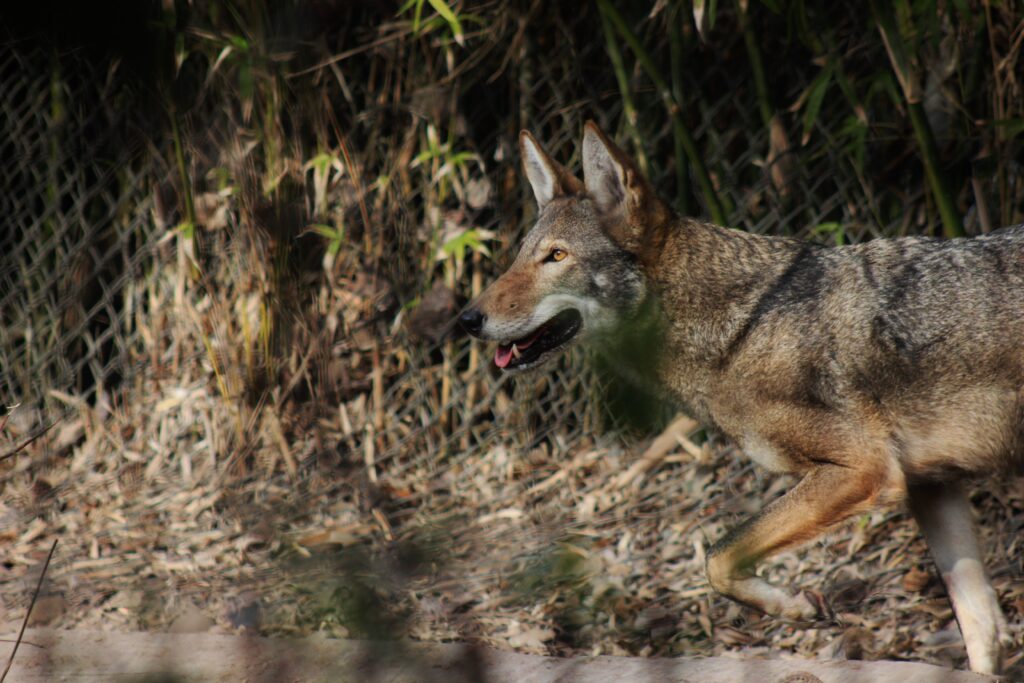
For decades, people along the Texas coast reported seeing strange, wolf-like animals roaming the beaches and marshes of Galveston Island. Most dismissed the sightings as coyotes.
They were only partially right.
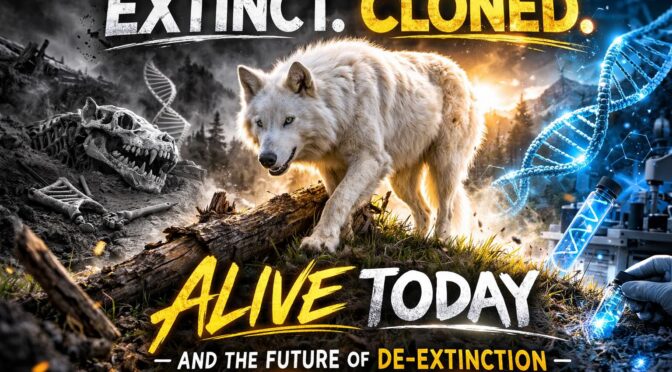
In this episode of Dark Outdoors®, Chester Moore investigates one of the most remarkable wildlife mysteries in America and explores how it unexpectedly intersects with one of the biggest scientific stories of our time: de-extinction.
Listen to the Episode
Want to hear the full conversation about dire wolves, de-extinction, and the science and ethics surrounding Colossal Biosciences’ controversial project? Listen on your favorite platform:
From the groundbreaking work of Colossal Biosciences and the renewed public fascination with the dire wolf to the incredible discovery of the “Ghost Wolves” of Galveston Island—wild canids carrying rare red wolf ancestry thought to have been largely lost—this episode examines the science, the mystery, and the conservation implications behind these extraordinary animals.
How did these wolf-like canids survive unnoticed for so long?
Could their genetics help recover one of North America’s most endangered predators?
And what does the growing field of de-extinction mean for the future of wildlife conservation?
Join Chester as he separates myth from reality while exploring a story where eyewitness reports, cutting-edge genetics, and conservation collide in ways few could have imagined.
In This Episode:
The science behind de-extinction
Colossal Biosciences amazing dire wolf project
The mystery of Galveston’s Ghost Wolves
Red wolf genetics and hybridization
How local sightings led to a remarkable scientific discovery
What this means for the future of wildlife conservation
Sometimes the greatest mysteries of the outdoors aren’t solved by folklore—they’re solved by science. And sometimes, that truth is even more remarkable than the legend.
Follow Dark Outdoors for more investigations into wildlife, true crime, conservation, history, and the unexplained—where the natural world meets mystery.
Chester Moore
Follow Chester Moore on the following social media platforms
Anyone who spends enough time outdoors understands that reality. Mature whitetails alter their travel patterns when hunting pressure increases. Coyotes quickly learn to avoid traps and adapt to suburban neighborhoods, slipping through drainage ditches and greenbelts where few people ever notice them. Even mountain lions adjust their movements to avoid human activity while taking advantage of opportunities their prey never sees coming.
Human predators evolve as well.
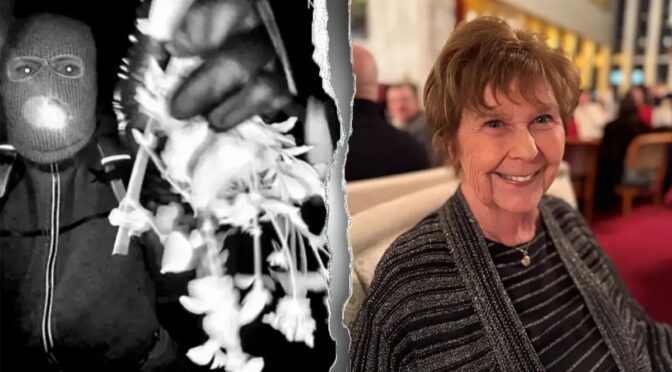
That thought stayed with me after spending more than an hour talking with Daniel of the Drunk Turkey Show about the disappearance of Nancy Guthrie. In Part One of this series, we explored how the isolation of the Arizona desert may have worked to the advantage of whoever abducted her. The winding roads, sparse development, weak cellular coverage and dark-sky ordinances created an environment where someone familiar with the terrain could move with confidence while remaining remarkably difficult to detect.
Listen to “High-Tech Predator? The Nancy Guthrie Case – Part 2” here:
If you enjoy Dark Outdoors, please follow the show, leave a rating and review, and share this episode with someone who enjoys true crime, the outdoors, and investigative storytelling.
As our conversation continued, however, Daniel shifted the discussion in a different direction. His focus wasn’t simply on the landscape. He wondered whether the person responsible possessed something else that has become increasingly valuable to modern criminals: a sophisticated understanding of technology.
“I’ve been saying this for a minute that I think he’s very tech-savvy,” Daniel said during our interview. It wasn’t presented as a conclusion supported by investigators, but as an observation based on publicly known details surrounding the case and how the offender appeared to operate. That distinction matters. The goal isn’t to assign capabilities that law enforcement hasn’t confirmed. Instead, it’s to examine a broader question that extends far beyond one investigation.
Have violent predators begun evolving faster than many of us realize?
For generations, outdoorsmen learned to read physical sign. A fresh boot print crossing a sandy wash, broken mesquite limbs along a game trail or tire tracks disappearing onto an isolated ranch road could tell an experienced observer a remarkable story. Today’s investigators still read those clues, but they have also become students of an entirely different landscape. Cell phone records, GPS data, vehicle telematics, surveillance cameras, Bluetooth connections and cloud storage now reveal patterns that simply didn’t exist twenty years ago.
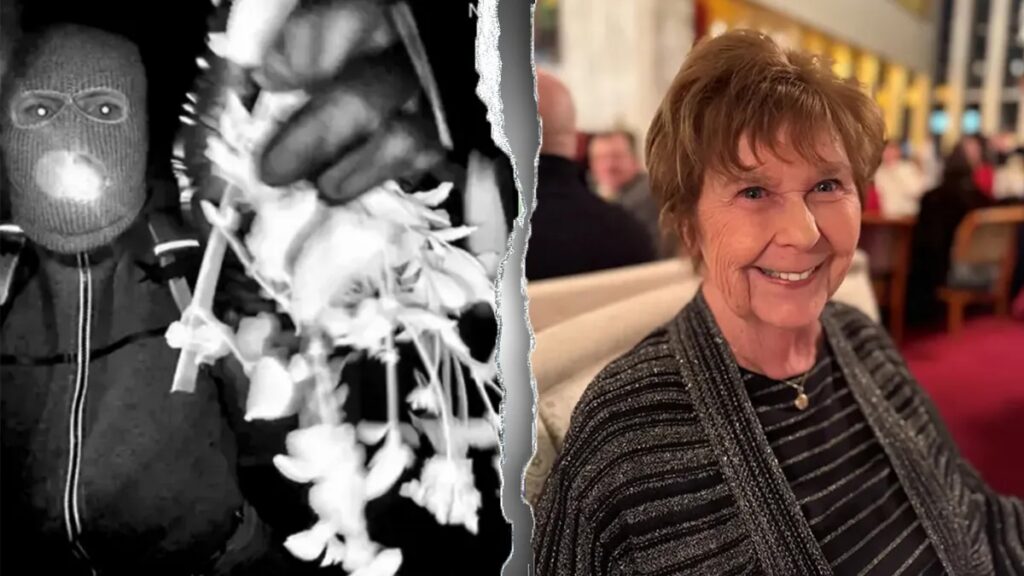
Ironically, the Nancy Guthrie investigation demonstrates that point. Publicly released evidence shows investigators were eventually able to recover valuable images from a doorbell camera that initially appeared inaccessible. Those recovered images, showing a masked individual outside the residence carrying a backpack, became one of the most important publicly released developments in the case. The recovery itself illustrates something every investigator understands: digital evidence often survives even when people believe it has disappeared.
That technological landscape works both ways.
It provides investigators with powerful tools, but it also gives offenders opportunities previous generations never possessed. Consumer drones can map remote terrain. Public satellite imagery allows anyone to examine neighborhoods from a computer. Social media often reveals routines, favorite hiking trails and even when someone is away from home. Fitness apps, geotagged photographs and online property records create an enormous amount of publicly available information that can be used for entirely legitimate purposes—or exploited by someone with criminal intent.
One of the more interesting moments in my conversation with Daniel involved the backpack visible in the recovered surveillance images. The FBI has publicly identified the apparent model in hopes someone recognizes it, but beyond that, little has been confirmed. Daniel discussed theories circulating among independent researchers about what someone operating in such an isolated environment might choose to carry, including the possibility of modern electronic equipment. There is no public evidence that investigators have concluded a drone or similar technology was used in this case, and it would be irresponsible to suggest otherwise. Still, the discussion highlights how dramatically the landscape has changed. Today’s offenders have access to equipment that once belonged exclusively to the military or specialized law enforcement units.
That reality shouldn’t create fear. It should encourage awareness.
One of the recurring themes throughout my work on Dark Outdoors is that the greatest dangers in wild places often don’t come from wildlife. They come from people willing to exploit those places. Hunters, anglers, hikers and campers routinely venture into areas where cell service is weak, neighbors are miles away and help may take precious minutes to arrive. Those same conditions that make the outdoors appealing can also provide opportunities for someone intent on doing harm.
One point Daniel and I agreed on throughout our conversation is that no amount of technology replaces awareness. Criminals may become more sophisticated, but so can the people who enjoy the outdoors. Hunters have always been observant by necessity. They notice a truck parked where one normally isn’t. They recognize fresh tire tracks on a lease road or an unfamiliar camp set up in a remote area. Anglers often remember the vehicle parked at the boat ramp before daylight or the person who seemed more interested in watching people than fishing.
Those instincts remain just as valuable today as they were decades ago.
Technology has undoubtedly changed the investigative landscape, but it hasn’t changed the importance of trusting your instincts. If something feels out of place, it probably deserves a second look. Avoid broadcasting your exact location in real time. Let someone know where you’re going and when you expect to return. Pay attention to people who appear to be conducting surveillance rather than enjoying the outdoors. None of those precautions are signs of paranoia. They’re simply extensions of the situational awareness outdoorsmen have practiced for generations.
The Nancy Guthrie investigation is still unfolding, and many of its most important facts remain known only to investigators. Neither Daniel nor I pretend to know exactly what happened that night. What our discussion ultimately revealed was something broader than one tragic case. Predators adapt. They study their environment. They learn from previous crimes. They take advantage of new tools when those tools provide an advantage.
The rest of us have to evolve, too.
Whether you’re hiking a desert trail, hunting a secluded lease in Texas or simply walking your dog along a wooded greenbelt, awareness remains your greatest defense. Hunters often say every animal leaves sign if you know how to read it. The same may be true of human predators. Today, however, those signs may be found not only in the dirt beneath our boots but also in the digital footprints left behind.
That may prove to be one of the most enduring lessons of the Nancy Guthrie case.
Chester Moore
Follow Chester Moore on the following social media platforms
The first thing that caught my attention about the Nancy Guthrie case wasn’t that she disappeared.
Sadly, America sees missing person cases every day. Most never become national news. This one did because Guthrie is the mother of NBC “Today” co-anchor Savannah Guthrie. Like millions of Americans, I followed the headlines as investigators searched for answers. But as more information became public, it wasn’t the celebrity connection that kept drawing me back to the story.
It was the setting.
During one of the first media briefings, investigators mentioned the rugged desert surrounding Guthrie’s home. There was even discussion of mountain lions and coyotes. Having spent more than three decades covering wildlife and dangerous situations in the outdoors, that immediately struck me as odd. A mountain lion attack doesn’t simply erase someone. It leaves unmistakable evidence. From everything investigators were saying, it was obvious this was something entirely different.
Then I pulled up aerial maps of the neighborhood.
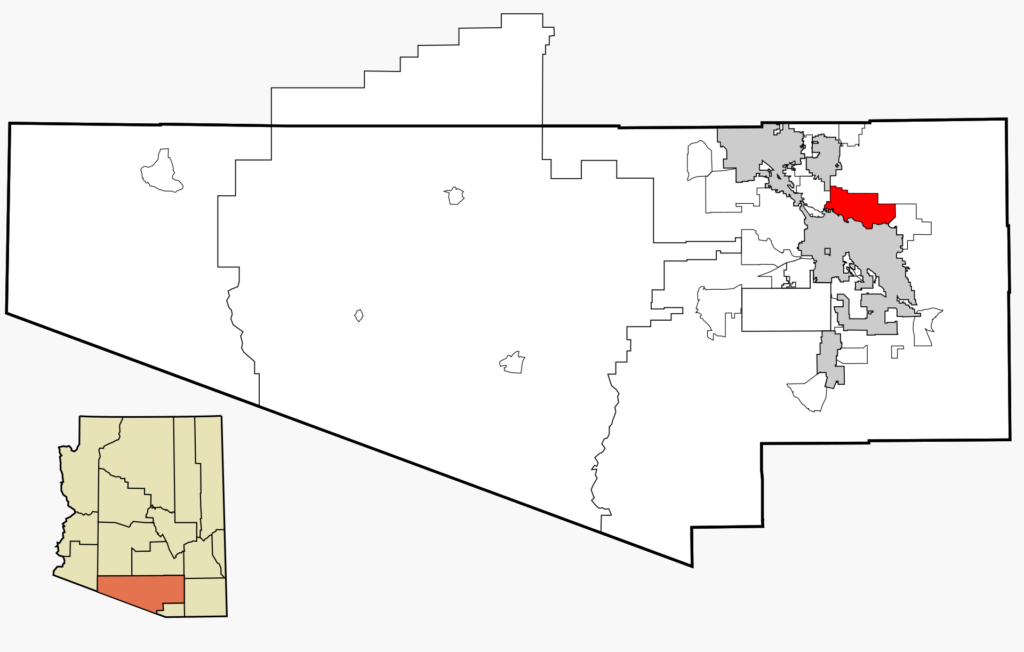
I found myself studying the winding roads, the homes backed against open desert and the natural terrain surrounding the community. Instead of looking at the case only through the lens of a missing person investigation, I began looking at the landscape itself. What advantages might it offer someone intent on committing a crime? What challenges would it create for investigators trying to reconstruct what happened?
Those questions led me to invite Daniel, host of the Drunk Turkey Show and a former law enforcement officer, to join me on Dark Outdoors. His program has closely followed the Guthrie investigation, and I wanted to hear his perspective on something that had been bothering me since I first saw the maps.
Listen to the Dark Outdoors® interview with Daniel from the Drunk Turkey Show:
Did the location itself help whoever committed this crime?
“I think it could have been an advantage to the person,” Daniel said. “The area definitely was an advantage to the guy.” He pointed to several factors that stood out immediately, including the neighborhood’s somewhat rural character, less-than-ideal cellular coverage and the darkness surrounding the community.
The Catalina Foothills community.
That answer immediately changed the direction of our conversation.
Most public discussions surrounding high-profile criminal investigations focus on suspects, motives or forensic evidence. Daniel instead focused on geography. Before talking about who might have committed the crime, he talked about why this particular place may have appealed to someone willing to commit it.
One aspect of the neighborhood especially caught his attention.
“They don’t have any corner lights,” Daniel said. “It’s super dark.”
He believes those conditions suggest whoever committed the crime may have possessed a familiarity with the area that extended beyond simply driving through it.
“That’s one of the things that makes me feel like the guy’s somewhat familiar with the area, whether that’s he’s from the area or he did a certain amount of surveillance in the area,” Daniel said.
That observation shouldn’t be confused with evidence identifying a suspect. Daniel wasn’t claiming investigators had reached that conclusion. He was explaining how experienced investigators often begin evaluating a crime scene. They study the environment. They look at access routes, visibility, lighting and how someone could move into and out of an area without attracting attention.
Listening to him reminded me of something I’ve noticed while reporting on outdoor-related crime over the last three decades.
Some of the most challenging investigations I’ve covered haven’t unfolded deep in the wilderness or in the middle of crowded cities. They’ve occurred in those places where neighborhoods blend into natural landscapes—desert communities, wooded subdivisions, greenbelts and trail systems where people seek peace, privacy and a connection with the outdoors. Most of those places are incredibly safe. But when someone with evil intentions understands the terrain better than everyone else, the landscape itself can become an advantage.
Daniel pointed to another factor that deserves consideration.
From what he understands, cellular coverage in portions of the area isn’t ideal. That, he said, could make it more difficult to narrow the location of devices or reconstruct movements during critical moments of the investigation. At the same time, he noted the neighborhood is not isolated wilderness. It contains numerous homes and regular vehicle traffic, making the investigative picture even more complicated.
That complexity is one reason the Guthrie case has remained so compelling. Cases like this remind us that modern investigations rarely depend on one piece of evidence. Instead, detectives assemble hundreds or even thousands of small details until they begin forming a clearer picture of what happened.
As our discussion continued, however, Daniel shifted away from geography and began talking about something that immediately caught my attention.
Technology.
Not technology used by investigators.
Technology that may have been understood—or even used—by whoever committed the crime.
That immediately made me think of another case that forever changed how many investigators look at modern offenders.
Bryan Kohberger.
The man accused of murdering four University of Idaho students wasn’t simply another homicide suspect. Prosecutors allege he attempted to minimize the digital trail surrounding the crime, altered his driving route afterward and possessed an academic interest in criminal investigations. Ultimately, investigators used a combination of DNA, surveillance footage and digital evidence to build the case against him.
Whether Kohberger intended it or not, that investigation demonstrated something important.
Today’s offenders aren’t just learning how to commit crimes.
Some appear to be learning how investigators solve them.
I asked Daniel whether he believed we may be witnessing a new generation of offenders—people who understand cameras, digital evidence and modern investigative techniques better than many criminals of the past.
His answer surprised me.
He said what first pushed him in that direction wasn’t one dramatic piece of evidence. It was a collection of small details that, when viewed together, painted a very different picture.
He pointed to a camera system that appeared to record activity before and after a critical period but not during it. He mentioned reports that multiple nearby homes experienced internet issues that night. He noted what he believed was an individual who appeared aware of where cameras were positioned and how they functioned. None of those observations establish what happened or identify a suspect, but together they caused him to begin looking at the case through a different lens.
As Daniel laid out his reasoning, I realized we were no longer discussing only the Nancy Guthrie investigation.
We were talking about whether violent offenders themselves may be evolving.
For decades, crime stories have often portrayed killers as impulsive or reckless. Increasingly, some investigators are confronting offenders who study forensic science, understand digital technology, research investigative procedures and attempt to anticipate how law enforcement will respond. Cases like Kohberger’s suggest that possibility is no longer theoretical.
Then Daniel made another observation that stopped me.
He believes there may be one more piece to the puzzle in the Guthrie case—one that could push this conversation even further into the modern age.
It wasn’t another witness.
It wasn’t DNA.
It wasn’t a cellphone.
It was the possibility that the person responsible may have understood technology in ways most people haven’t even considered.
That discussion led us into cameras, internet disruptions and one possibility that sounds more like something from a crime thriller than a real investigation.
A drone.
Next: Part Two — Cameras, Drones and the Rise of the High-Tech Predator.
Chester Moore
Follow Chester Moore on the following social media platforms
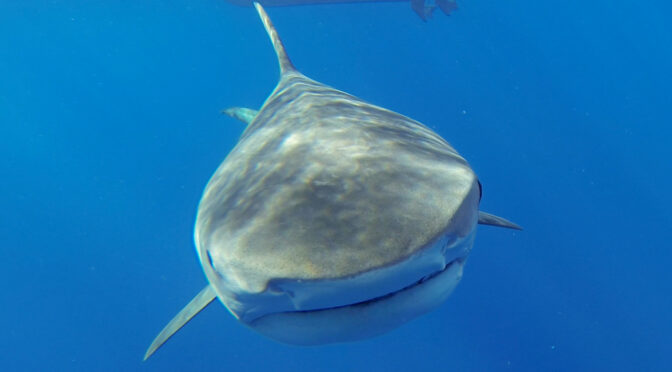
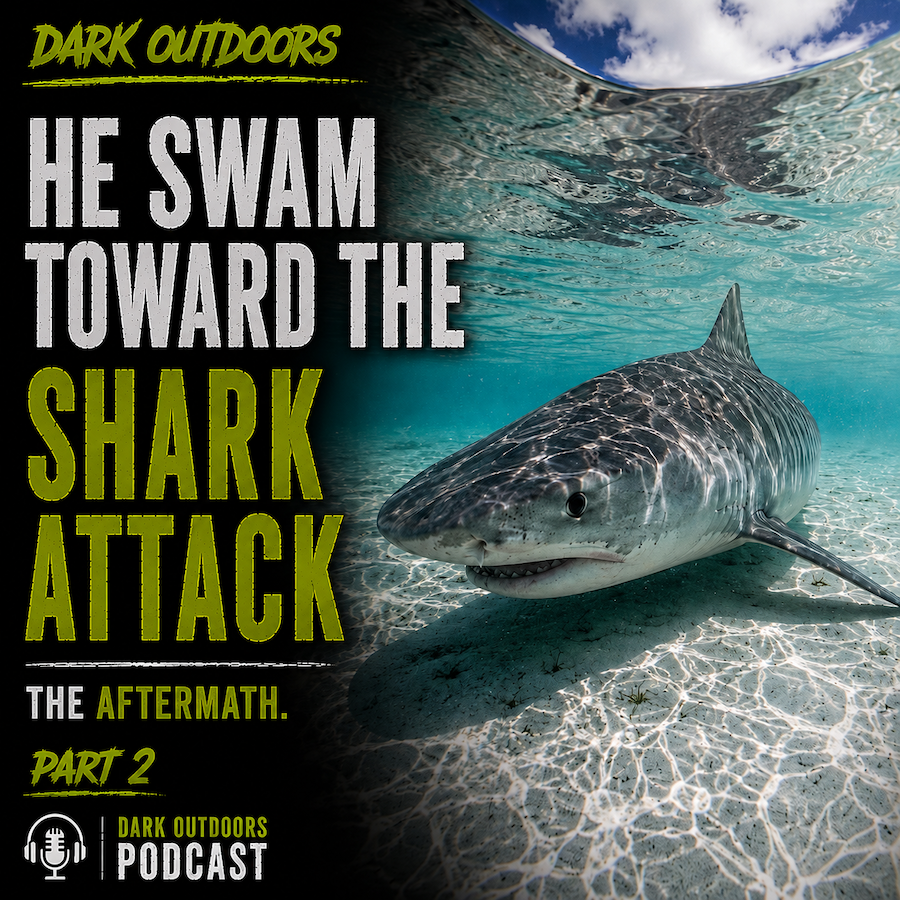
When a shark attack occuted in the clear waters of the Caribbean, chaos erupted on the beach. Most people stood frozen, unsure of what to do. Registered nurse Chris Carroll made a decision few people ever would—he swam straight toward the victim, knowing the shark could still be nearby.
That incredible act of courage was the focus of Part 1 of this special Dark Outdoors interview. In Part 2: The Aftermath, Chris sits down with Chester Moore to reflect on what happened after the rescue attempt and how those unforgettable moments changed his life forever.
This isn’t another sensationalized shark attack story. It’s a powerful conversation about courage, compassion, faith, and the choices that define us when we’re faced with extraordinary circumstances.
Chris shares the emotional toll of the experience, what he learned about shark attacks from witnessing one firsthand, and why he believes ordinary people are capable of extraordinary acts when they choose to put someone else’s life ahead of their own.
If you’ve ever wondered what drives someone to run—or swim—toward danger instead of away from it, this is an episode you won’t soon forget.
If this episode sparked your interest in sharks and the reality behind these incredible apex predators, now is a great time to pick up my new book:
Gulf Great White Sharks: Unveiling the Mystery of Apex Predators in the Forgotten Sea
For decades, many people believed great white sharks were little more than occasional visitors to the Gulf of Mexico. The evidence tells a very different story.
Drawing on years of research, interviews with leading shark scientists, historical accounts, and modern tracking data, this is the first book ever written entirely about great white sharks in the Gulf of Mexico. It explores their history, the latest discoveries about their movements, fascinating encounters with fishermen and divers, and why these magnificent predators are reclaiming their place in Gulf waters.
Whether you’re a lifelong shark enthusiast, an angler, a conservationist, or simply fascinated by wildlife mysteries, this book offers an evidence-based look at one of the ocean’s most misunderstood animals.
For a limited time during Shark Week you’ll receive:
Please include your mailing address in the notes and don’t forget to sign up to join the Gulf Great White Shark Society. It’s free and this offer is for members-only.
Thank you for supporting Dark Outdoors and the Gulf Great White Shark Society. Every podcast listen, book purchase, and shared story helps us reach more people with evidence-based information about sharks, wildlife, conservation, and the incredible stories that unfold where people and the outdoors intersect.
Chester Moore
Follow Chester Moore on the following social media platforms
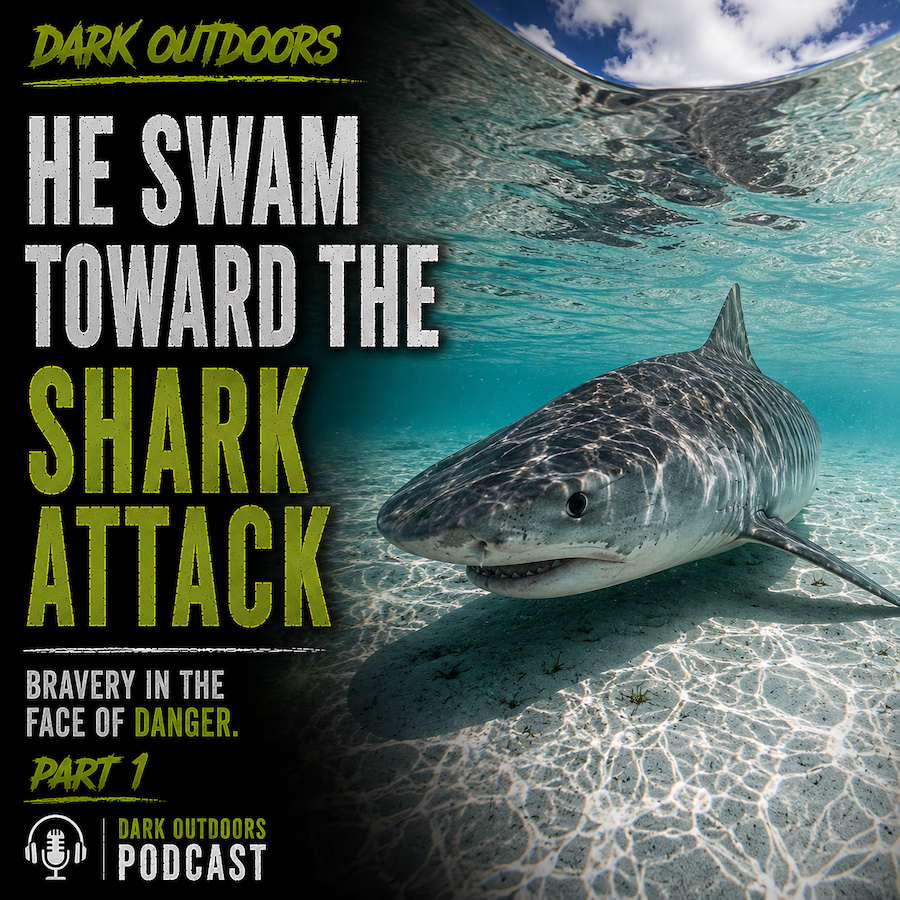
A woman is screaming in the water. People on shore don’t know what to do. Then one man makes a decision few ever would—he swims toward the danger.
In this gripping first installment of a two-part Dark Outdoors interview, Chester Moore talks with registered nurse Chris Carroll, who found himself in the middle of a fatal tiger shark attack while vacationing in the Caribbean. What began as a relaxing day at the beach became a life-and-death emergency that tested his training, his instincts, and his courage.
Chris shares, in remarkable detail, the moment he realized he wasn’t responding to a drowning victim—but to someone who had just been attacked by a large shark. He recounts the terrifying swim, the rescue attempt, and the split-second decisions that unfolded in the water.
This is not a sensationalized shark attack story. It’s an honest conversation about courage, fear, and what drives someone to risk their own life to help another person.
In Part 1 you’ll hear:
Chris Carroll’s firsthand account of the attack and rescue attempt.
The moment he realized a shark was involved.
What was going through his mind as he swam toward the victim.
How his experience as a nurse prepared him for an unimaginable situation.
The lessons he learned from one of the most intense moments of his life.
If you’ve ever wondered how an ordinary person responds when confronted with extraordinary danger, this is an interview you won’t forget.
And if you’re a shark fan don’t forget to check out our episode of the Megalodon.
Listen to The Megalodon Mystery
Ready to investigate one of the ocean’s greatest mysteries? Listen to The Megalodon Mystery on your favorite podcast platform:
Every Shark Week, one question seems to rise to the surface almost as predictably as the television specials themselves:
Could the megalodon still be alive?
It’s a fascinating question, and one I’ve been asked countless times over the years.
Let me answer it right away.
Personally, I don’t believe megalodon is still swimming our oceans. The scientific evidence strongly supports the conclusion that this prehistoric giant disappeared a long time ago.
Illustration by Bill Rebsamen.
But that doesn’t mean the mystery ends there.
For more than a century, experienced fishermen, sailors, explorers, and divers have reported seeing sharks so enormous they seemed almost beyond belief. These weren’t always sensationalists looking for attention. Many were seasoned outdoorsmen and mariners who knew the sea as well as anyone.
If they weren’t seeing a living megalodon…
What were they seeing?
That’s the question I investigate in the latest episode of my Dark Outdoors® podcast.
Listen to This Episode of Dark Outdoors
Ready to investigate one of the ocean’s greatest mysteries? Listen on your favorite platform below:
Rather than trying to prove the impossible, this episode takes an investigative look at some of the world’s most famous giant shark reports and compares them with what we know through modern marine science. Along the way, we separate documented history from maritime folklore while exploring why stories of enormous sharks continue to capture our imagination.
Among the accounts examined is legendary outdoorsman and author Zane Grey’s remarkable shark encounter in the South Pacific, mysterious reports of giant sharks from Australian waters, and the enduring legend of Baja California’s so-called “Black Demon.” These stories have become part of maritime history, but they also raise legitimate questions about how eyewitnesses perceive extraordinary events on the open ocean.
The episode also explores something equally fascinating—the remarkable reality of sharks that actually exist.
Great white sharks can reach astonishing proportions. Legendary charter captain Frank Mundus became famous for catching some of the largest great whites ever documented, helping shape public perception of these incredible predators. More recently, Deep Blue, believed to be among the largest reliably documented great white sharks ever recorded, reminded the world just how immense these animals can become.
We also examine whale sharks, basking sharks, and the megamouth shark—species whose sheer size can leave even experienced observers stunned under the right conditions.
Having spent years researching great white sharks, interviewing leading shark scientists, documenting Gulf records, and diving with these magnificent predators, I’ve learned something important.
Reality is often every bit as fascinating as legend.
Sometimes more so.
One of the goals of Dark Outdoors has always been to investigate mysteries without abandoning science. It’s possible to appreciate compelling eyewitness accounts while also recognizing that extraordinary claims require extraordinary evidence. That’s especially true when discussing an animal as iconic as the megalodon.
This episode doesn’t argue that megalodon somehow escaped extinction.
Instead, it explores why reports of giant sharks continue to emerge from around the world and examines the very real animals that may explain at least some of those extraordinary encounters.
Whether you’re fascinated by sharks, cryptozoology, maritime history, or simply enjoy thoughtful investigations into the unexplained, I think you’ll find this episode an entertaining journey into one of the ocean’s greatest legends.
As Shark Week approaches to shine a spotlight on sharks from around the globe, it’s a perfect time to remember that while the megalodon almost certainly belongs to the distant past, our oceans are still home to giants capable of inspiring wonder, respect, and perhaps just a little bit of mystery.
Chester Moore
Follow Chester Moore on the following social media platforms
The rivers of the Texas Hill Country are among the state’s greatest treasures.
Generations of Texans have learned to swim in the cool waters of the Guadalupe and Frio, cast flies to Guadalupe bass in crystal-clear currents, and pitch tents beneath towering cypress trees that have watched these rivers flow for centuries. Hunters rise before dawn along these waters in pursuit of whitetails and Rio Grande turkeys, while photographers wait patiently for the first rays of sunlight to illuminate limestone bluffs and emerald pools.
There is an undeniable peace to these places, one that has drawn me back repeatedly over the years.
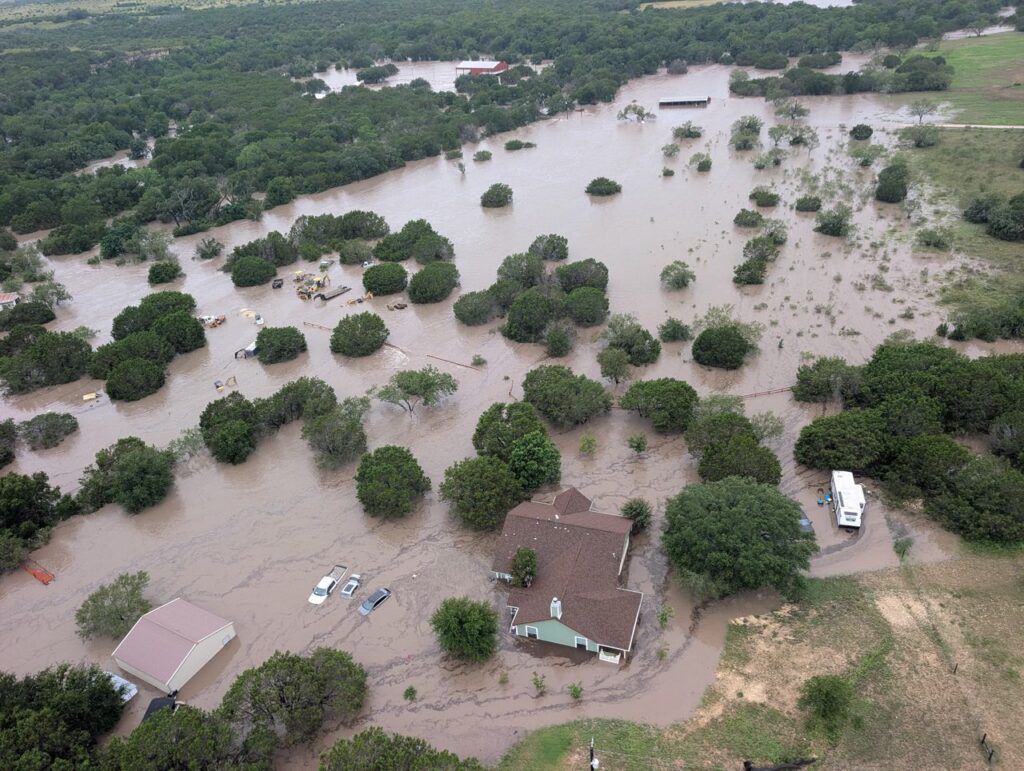
Yet those same rivers possess a dual nature that has become tragically apparent over the last two summers. Beneath their beauty lies an extraordinary capacity for destruction.
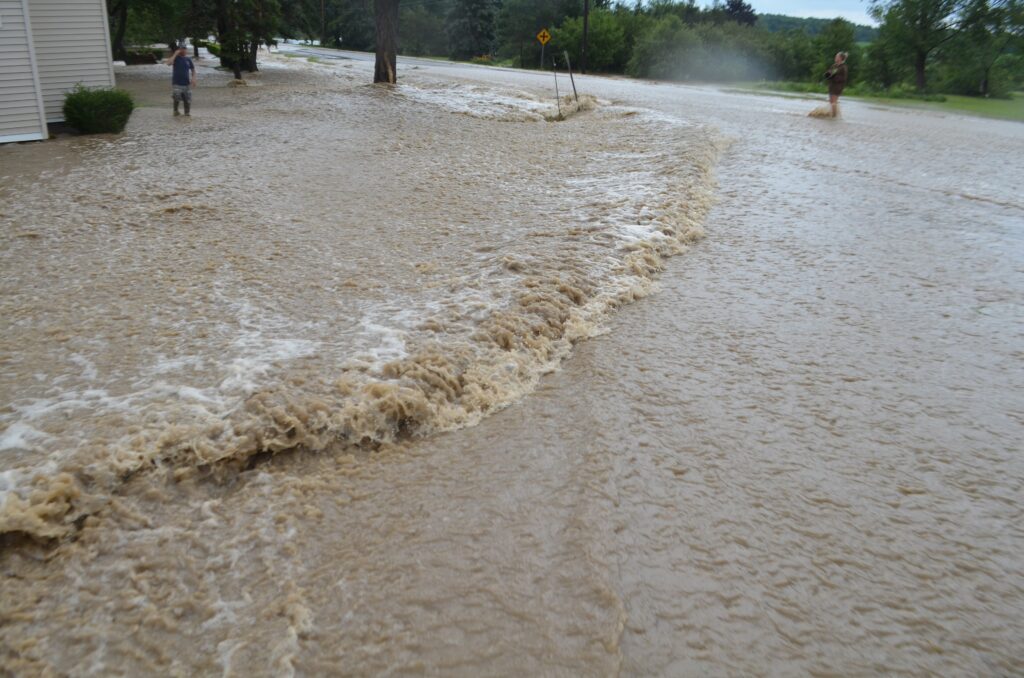
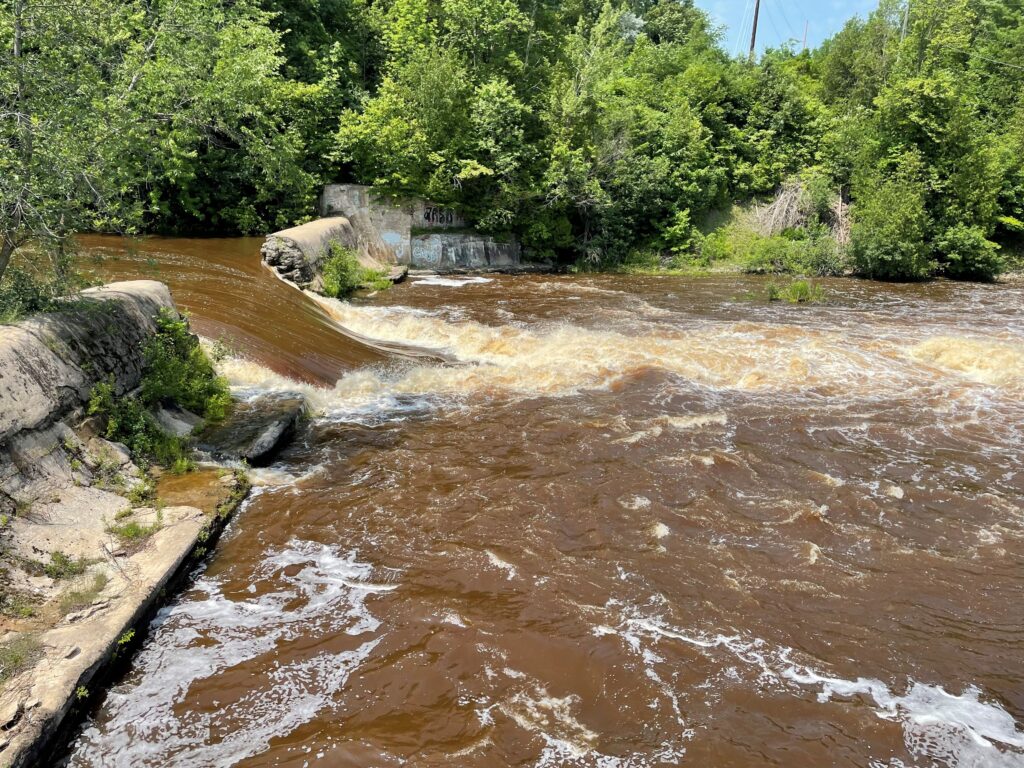
The catastrophic flooding along the Guadalupe River in 2025 claimed 139 lives, becoming one of the deadliest inland flood disasters in modern Texas history. One year later, another widespread Hill Country flood again produced devastating damage, numerous rescues and heartbreaking reminders that the danger had not passed.
For those of us who spend our lives outdoors, these events should be viewed as more than weather disasters. They should become case studies in understanding one of nature’s most underestimated hazards.
Dr. Tracy Fanara
I’ve spent much of my career writing about predators. Great white sharks. Large alligators. Venomous snakes. Even the occasional mountain lion. Those subjects naturally capture people’s attention because the danger is obvious.
Water rarely receives the same respect.
Perhaps it should.
Listen to the full interview with Dr. Tracy Fanara on Dark Outdoors®.
One of the reasons I wanted to revisit this subject on Dark Outdoors was to speak with someone who has devoted her career to helping people understand complicated environmental issues before they become tragedies.
Dr. Tracy Fanara is an environmental engineer, meteorologist, science communicator and one of the featured experts with Inspector Planet. Through television appearances, public education and field research, she has developed a reputation for translating complex weather and environmental science into practical information that people can actually use.
When we began talking about the recent Hill Country disasters, she immediately challenged one of the biggest misconceptions surrounding flash floods.
“So many people think of flash flooding simply as a lot of rain,” she said.
“A flash flood is getting a lot of rainfall in a short amount of time. It’s all about rainfall intensity, and it gives water the opportunity to stage up really quickly, posing a threat to people crossing roads, property and even people who are sleeping.”
That last observation struck me.
People sleeping.
Most outdoor enthusiasts think of flash floods as something that threatens motorists attempting to cross flooded roadways. We picture dramatic news footage of vehicles floating downstream or intersections disappearing beneath muddy water.
The Hill Country has shown us something entirely different.
Families asleep in riverside cabins.
Children at summer camps.
Hunters tucked into remote campsites.
Photographers rising before daylight to catch first light over the river.
Many of those at greatest risk never see the storm responsible for what is about to happen.
That reality becomes easier to understand when you look at the landscape itself.
“The impacts of flash flooding are determined by terrain,” Fanara explained.
“In Texas, especially the Hill Country, you have steep terrain and shallow soils. That water runs off really fast. Water goes with gravity from uphill to downhill, and when you have more of an elevation change, all of that water goes to the same lowest point, which stages up super fast.”
It is an elegantly simple explanation for something that often seems impossible to comprehend after a tragedy.
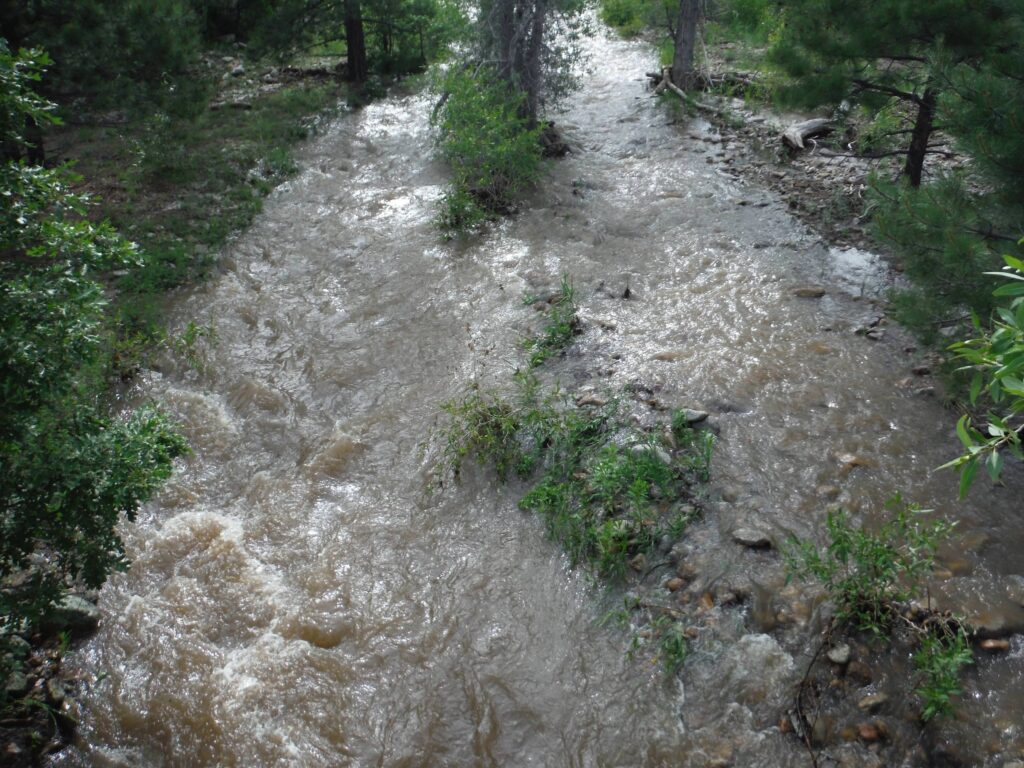
Unlike much of coastal Texas, where flatter terrain allows rainfall to spread across broad landscapes, the Hill Country funnels enormous amounts of water through relatively narrow drainages. Layers of limestone lie beneath thin soils, limiting how much rainfall can soak into the ground before gravity begins carrying it downhill. Creeks rapidly become torrents. Tributaries pour into larger rivers. Entire watersheds begin delivering water to the same destination almost simultaneously.
That is why the region earned the nickname Flash Flood Alley decades ago.
The events of 2025 illustrated the process with terrifying clarity.
During that disaster, exceptionally intense rainfall focused on a single watershed feeding the Guadalupe River. Fanara pointed to one statistic that still seems almost unbelievable.
“The Guadalupe River rose like twenty-six feet in forty-five minutes,” she said.
“That’s absurd.”
Absurd is an appropriate word.
Imagine standing beside a river at daybreak and watching it rise nearly the height of a two-story building before you have time to finish breakfast.
That kind of rise defies ordinary experience, which is one reason many people struggle to appreciate just how quickly these disasters unfold.
Fanara also emphasized that the flooding Texans witnessed this year differed significantly from the catastrophe of 2025.
“The difference is that rise—that intensity,” she explained.
“Last year’s rainfall was super intense and focused on one watershed. This year, the volume may have even been more, but it was spread along multiple watersheds and different rivers.”
That distinction is important because it reminds us there is no single blueprint for a deadly flash flood.
Sometimes one river experiences an almost unimaginable rise in less than an hour.
Other times, widespread rainfall affects multiple watersheds at once, producing a broader regional disaster that unfolds over many hours.
Both situations can prove deadly.
Both require a different way of thinking about the outdoors than many of us learned growing up.
As someone raised along the upper Texas coast, I grew up hearing flash flood warnings that often amounted to water standing in intersections or flowing across low roads. They demanded caution, but they rarely inspired fear. The Hill Country rewrites that understanding completely. There, the danger is not simply the rain falling where you happen to be standing.
Often, the greatest threat is the rain you cannot even see.
One of the most revealing moments in my conversation with Dr. Fanara came when we stopped talking about rivers and started talking about people.
The science explains how flash floods develop. Human nature often explains why they become tragedies.
“It’s all about understanding where you are in the watershed,” Fanara said.
“What part of the watershed are you in? Are you in the lowest part? Are you in the highest part?”
That may sound like a simple question, but it is one many outdoorsmen never ask.
We tend to judge our surroundings by what we can see. If the creek beside camp is calm and the sky overhead is only partly cloudy, there seems little reason for concern. Yet watersheds don’t operate according to what is happening where we happen to be standing. Rain that falls twenty or thirty miles away may already be racing downhill toward the river beside your campsite.
Fanara believes that disconnect is one of the greatest challenges facing weather forecasters and emergency managers today.
“You’ll see those warning polygons covering a very large area,” she explained.
“If you’ve never been flooded before, or you’ve been camping at that place a million times and never experienced flooding, you just assume that alert is for someone else. But now we’re in territory where we’re seeing things happen that we’ve never seen in our lifetime. We always have to be prepared.”
That observation immediately brought back a memory from years ago that has stayed with me ever since.
My father and I were camping on private property near Toledo Bend Reservoir in northern Louisiana. The campsite sat in a low area between two hills. It had been a good evening, and after turning in for the night there seemed little reason to think about the weather.
Sometime around one o’clock in the morning I woke to the unmistakable feeling of water moving beneath me.
Within minutes there was nearly a foot of water inside our tent.
The heavy rain had not fallen where we were camping. It had fallen elsewhere, and gravity had done the rest.
We scrambled to throw gear into the truck, abandoning any thought of saving a comfortable campsite. The only road out crossed a narrow bridge spanning a creek. By the time we reached it, the water had risen dramatically. Had we waited much longer, we might not have crossed it at all.
Compared to the devastation witnessed along the Guadalupe River, it was a minor incident.
The lesson, however, was enormous.
Water doesn’t care whether you saw the storm.
That is precisely why Fanara encourages outdoorsmen to think beyond simply checking a weather forecast before leaving home.
“Oh, absolutely,” she said when I asked whether campers and hunters should be paying closer attention to alerts.
“NOAA Weather Radio is always the go-to, especially when you’re camping and might not get good service. There are also apps with push notifications. There are a number of different ways you can be alerted to a flood situation coming.”
She acknowledged that predicting exactly how severe flooding will become at one specific location remains challenging, but believes better information and greater awareness will continue saving lives.
One comment she made particularly resonated with me because it reflected something I’ve tried to accomplish through Dark Outdoors from the beginning.
“Maybe that’s an opportunity for a family to really teach your kids about survival skills and about being prepared,” she said.
The outdoors has always been one of our greatest classrooms. It teaches patience while waiting for wildlife. It teaches responsibility when introducing young hunters to firearms. It teaches stewardship through conservation. It also teaches humility because nature continually reminds us that there are forces much larger than ourselves.
For decades I have written about sharks, alligators, venomous snakes and large predators. Those subjects naturally attract attention because people instinctively recognize danger when they see teeth, claws or fangs.
Moving water rarely inspires the same response.
Perhaps because it is familiar.
Perhaps because it is beautiful.
Perhaps because most of us have stood beside rivers our entire lives without witnessing what they can become.
The events of the last two summers should permanently change that perspective.
The Texas Hill Country will always remain one of my favorite places in America. I hope families continue floating the Guadalupe, anglers continue chasing Guadalupe bass, hunters continue pursuing game across its rugged hills, and photographers continue capturing its remarkable beauty.
But I also hope they arrive with a deeper understanding of the landscape itself.
The rivers that define the Hill Country are not dangerous because they are unpredictable.
They are dangerous because most people never take time to understand how they work.
That may ultimately be the greatest lesson from my conversation with Dr. Tracy Fanara. The goal isn’t to make people afraid of the outdoors. It is to help them appreciate it more completely.
Knowledge has always been one of the most important pieces of survival equipment a person can carry.
A rifle won’t stop a wall of water.
Neither will a four-wheel-drive truck.
Sometimes the most important decision an outdoorsman makes is recognizing that the rain falling beyond the next ridge may already be changing the river at his feet.
If this conversation encourages one hunter to move camp to higher ground, one family to keep a NOAA Weather Radio in their tent, or one angler to think differently about the watershed surrounding his favorite fishing hole, then Dr. Tracy Fanara’s willingness to share her knowledge will have accomplished something far more important than producing another podcast episode.
It may help someone make it home.
Chester Moore
Follow Chester Moore on the following social media platforms
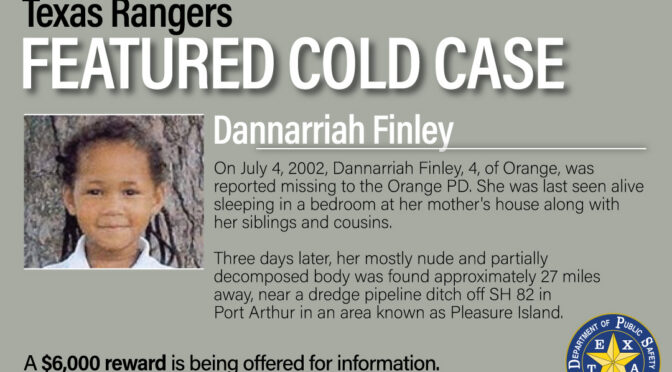
On July 4, 2002, what should have been a day of celebration became one of the darkest days in the history of my hometown of Orange, TX.
Four-year-old Dannarriah Finley disappeared while sleeping alongside her siblings and cousins at her mother’s home. Three days later, her body was found approximately 27 miles away near a dredge pipeline ditch off State Highway 82 on Pleasure Island in Port Arthur.
Listen to the podcast here.
🎧 Listen to “The Little Girl on the Island: The Unsolved Murder of Dannarriah Finley” wherever you get your podcasts.
Twenty-four years later, her murder remains unsolved.
Today, advances in DNA technology continue to give investigators hope, and those who have worked this case believe it can still be solved. That is one reason I’m bringing Dannarriah’s story to Dark Outdoors. Every unsolved case deserves continued attention, and perhaps someone reading or listening today remembers something they didn’t realize could matter.
The Outdoors Sometimes Become Part of Criminal Investigations
Dark Outdoors was created to explore the places where nature and mystery intersect.
Most of us think of the outdoors as a place of peace. It’s where we fish, hunt, hike, photograph wildlife, paddle quiet waterways, or simply escape the noise of everyday life. Those are the experiences that draw millions of people outdoors every year.
Unfortunately, the outdoors also sometimes becomes part of criminal investigations. Places like islands, beaches, forests and desert washes are popular dumping grounds for killers.
These locations have appeared in countless investigations across America, not because there is anything sinister about them, but because criminals sometimes believe secluded places will hide evidence and delay discovery.
History has shown that assumption is often wrong.
One of the most well-known examples in recent years is the Gilgo Beach investigation on Long Island, New York. For years, multiple victims were discovered along a remote stretch of coastline. The investigation eventually led to the arrest of Rex Heuermann, demonstrating once again that cold cases can move forward through patient investigative work, advancing forensic science and the determination of law enforcement.
Every case is different, and Dannarriah’s case stands on its own. But one lesson remains universal:
Time does not always protect those responsible.
A Horror Close to Home
Dannarriah’s murder wasn’t just another headline to me.
She was a little girl from my hometown, and the place where her body was found is somewhere I’ve fished since I was a child.
Pleasure Island has always been one of my favorite places along the upper Texas coast. I’ve spent countless mornings there chasing speckled trout and redfish, photographing birds and simply enjoying one of the most unique coastal landscapes in our region.
Nothing about this case changes how beautiful that place is.
The island didn’t commit this crime.
Someone did.
That’s an important distinction because I never want people to fear the outdoors itself. Nature isn’t responsible for acts of violence. Yet tragedies like this remind us that human evil sometimes finds its way into places that should represent peace and recreation.
Every time I visit Pleasure Island, I think about Dannarriah.
I think about her family.
I think about the investigators who have never given up.
And I think about how one piece of information could finally provide the answers they’ve sought for more than two decades.
Hope Through Technology and Through People
Recently retired Texas Ranger Brandon Bess has spoken publicly about the remarkable advances in DNA technology that continue giving investigators hope.
He noted that today’s forensic capabilities are dramatically more advanced than they were when Dannarriah disappeared in 2002. Evidence that once yielded few answers may someday reveal far more through continually evolving scientific techniques.
But Bess also emphasized something equally important.
Technology alone probably won’t solve this case.
People will.
While preparing for my Dark Outdoors podcast episode on Dannarriah’s case, I also spoke with a law enforcement source familiar with the investigation. While they understandably could not discuss specific details, they expressed cautious optimism that investigators have developed compelling leads over the years involving a very limited number of individuals.
The challenge has never been simply developing suspicions.
The challenge is building the kind of evidence that will withstand the scrutiny required in court.
That takes time.
Sometimes it takes decades.
But history has repeatedly shown that patience, persistence and advancing forensic science can eventually bring justice.
Outdoor Enthusiasts Can Make a Difference
One lesson I’ve learned during decades covering wildlife and conservation is that hunters, anglers, photographers, hikers and birdwatchers often notice details that others miss.
A vehicle parked where it shouldn’t be.
A boat operating at an unusual hour.
Someone entering an isolated area without an obvious reason.
Most of those observations never amount to anything.
Occasionally, however, they become exactly what investigators need.
That’s why I encourage everyone who spends time outdoors to remain observant.
Trust your instincts.
If something seems unusual, report it.
You don’t have to investigate it yourself. You don’t have to know whether it’s important. That’s law enforcement’s job.
But one phone call can sometimes become the missing piece in an investigation.
Keeping Dannarriah’s Story Alive
More than twenty-four years have passed since Dannarriah Finley disappeared.
Her family still deserves answers.
Her community still remembers.
Investigators are still working.
And there is still reason to hope.
One of the goals of Dark Outdoors is to shine a light on stories that deserve continued attention. Sometimes that means exploring dangerous wildlife. Sometimes it means examining strange mysteries. Other times, it means remembering victims whose stories should never be forgotten.
I hope this article and the accompanying podcast episode keeps Dannarriah’s name in the public conversation.
Perhaps someone reading this remembers a conversation.
Perhaps someone recalls seeing something unusual.
Perhaps advances in DNA technology will finally reveal what investigators have searched for over the last two decades.
Whatever the path, I hope justice comes for Dannarriah Finley and for everyone who has loved and missed her.
Listen to the Podcast
In the latest episode of Dark Outdoors®, I take a deeper look at the Dannarriah Finley investigation, discuss the role remote outdoor locations sometimes play in criminal investigations, explore advances in DNA technology, and examine why investigators still believe this case can be solved.
🎧 Listen to “The Little Girl on the Island: The Unsolved Murder of Dannarriah Finley” wherever you get your podcasts.