Tag Archives: dark outdoors

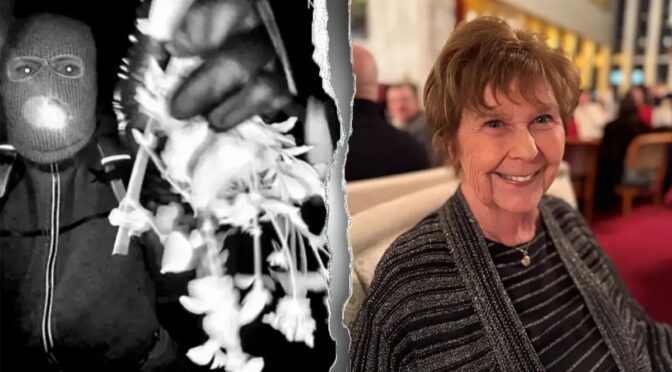
What the Nancy Guthrie Case May Reveal About the Next Generation of Predators (Part One)

The first thing that caught my attention about the Nancy Guthrie case wasn’t that she disappeared.

Sadly, America sees missing person cases every day. Most never become national news. This one did because Guthrie is the mother of NBC “Today” co-anchor Savannah Guthrie. Like millions of Americans, I followed the headlines as investigators searched for answers. But as more information became public, it wasn’t the celebrity connection that kept drawing me back to the story.
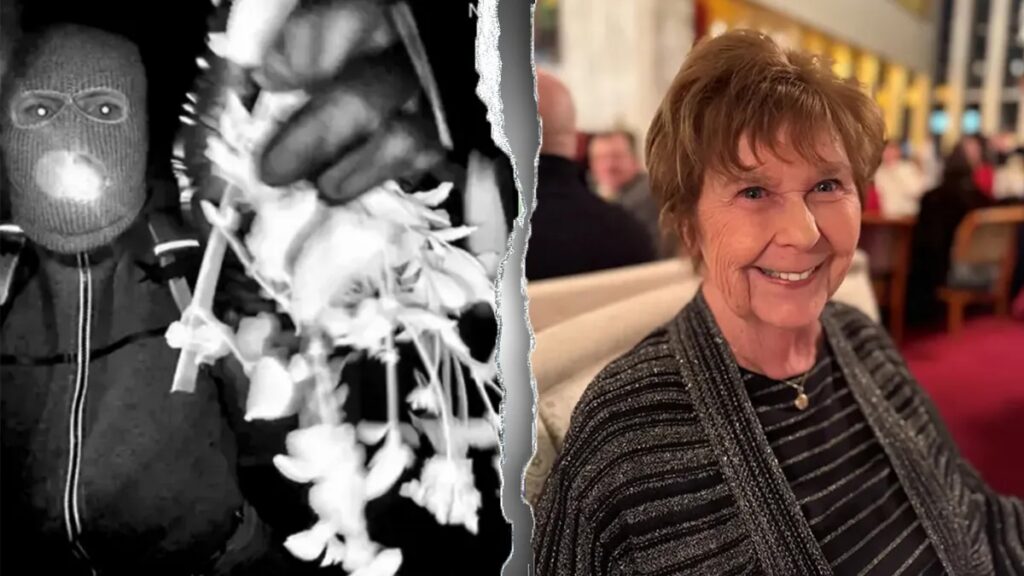
It was the setting.

During one of the first media briefings, investigators mentioned the rugged desert surrounding Guthrie’s home. There was even discussion of mountain lions and coyotes. Having spent more than three decades covering wildlife and dangerous situations in the outdoors, that immediately struck me as odd. A mountain lion attack doesn’t simply erase someone. It leaves unmistakable evidence. From everything investigators were saying, it was obvious this was something entirely different.

Then I pulled up aerial maps of the neighborhood.

I found myself studying the winding roads, the homes backed against open desert and the natural terrain surrounding the community. Instead of looking at the case only through the lens of a missing person investigation, I began looking at the landscape itself. What advantages might it offer someone intent on committing a crime? What challenges would it create for investigators trying to reconstruct what happened?

Those questions led me to invite Daniel, host of the Drunk Turkey Show and a former law enforcement officer, to join me on Dark Outdoors. His program has closely followed the Guthrie investigation, and I wanted to hear his perspective on something that had been bothering me since I first saw the maps.

Listen to the Dark Outdoors® interview with Daniel from the Drunk Turkey Show:

Did the location itself help whoever committed this crime?

“I think it could have been an advantage to the person,” Daniel said. “The area definitely was an advantage to the guy.” He pointed to several factors that stood out immediately, including the neighborhood’s somewhat rural character, less-than-ideal cellular coverage and the darkness surrounding the community.
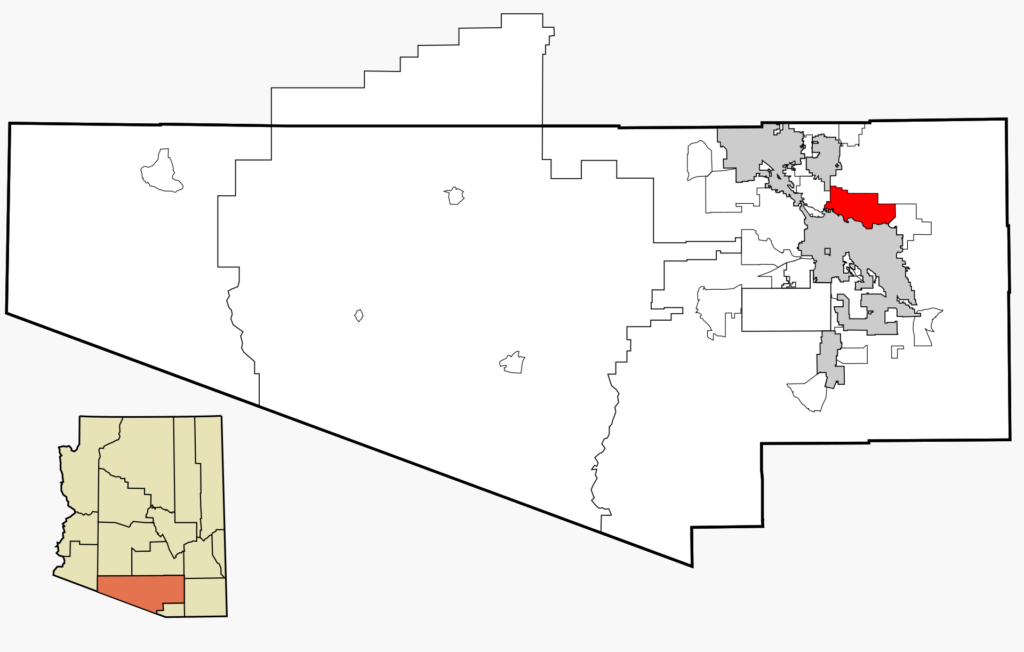
The Catalina Foothills community.

That answer immediately changed the direction of our conversation.

Most public discussions surrounding high-profile criminal investigations focus on suspects, motives or forensic evidence. Daniel instead focused on geography. Before talking about who might have committed the crime, he talked about why this particular place may have appealed to someone willing to commit it.

One aspect of the neighborhood especially caught his attention.

“They don’t have any corner lights,” Daniel said. “It’s super dark.”

He believes those conditions suggest whoever committed the crime may have possessed a familiarity with the area that extended beyond simply driving through it.

“That’s one of the things that makes me feel like the guy’s somewhat familiar with the area, whether that’s he’s from the area or he did a certain amount of surveillance in the area,” Daniel said.

That observation shouldn’t be confused with evidence identifying a suspect. Daniel wasn’t claiming investigators had reached that conclusion. He was explaining how experienced investigators often begin evaluating a crime scene. They study the environment. They look at access routes, visibility, lighting and how someone could move into and out of an area without attracting attention.

Listening to him reminded me of something I’ve noticed while reporting on outdoor-related crime over the last three decades.

Some of the most challenging investigations I’ve covered haven’t unfolded deep in the wilderness or in the middle of crowded cities. They’ve occurred in those places where neighborhoods blend into natural landscapes—desert communities, wooded subdivisions, greenbelts and trail systems where people seek peace, privacy and a connection with the outdoors. Most of those places are incredibly safe. But when someone with evil intentions understands the terrain better than everyone else, the landscape itself can become an advantage.

Daniel pointed to another factor that deserves consideration.

From what he understands, cellular coverage in portions of the area isn’t ideal. That, he said, could make it more difficult to narrow the location of devices or reconstruct movements during critical moments of the investigation. At the same time, he noted the neighborhood is not isolated wilderness. It contains numerous homes and regular vehicle traffic, making the investigative picture even more complicated.

That complexity is one reason the Guthrie case has remained so compelling. Cases like this remind us that modern investigations rarely depend on one piece of evidence. Instead, detectives assemble hundreds or even thousands of small details until they begin forming a clearer picture of what happened.

As our discussion continued, however, Daniel shifted away from geography and began talking about something that immediately caught my attention.

Technology.

Not technology used by investigators.

Technology that may have been understood—or even used—by whoever committed the crime.

That immediately made me think of another case that forever changed how many investigators look at modern offenders.

Bryan Kohberger.

The man accused of murdering four University of Idaho students wasn’t simply another homicide suspect. Prosecutors allege he attempted to minimize the digital trail surrounding the crime, altered his driving route afterward and possessed an academic interest in criminal investigations. Ultimately, investigators used a combination of DNA, surveillance footage and digital evidence to build the case against him.

Whether Kohberger intended it or not, that investigation demonstrated something important.

Today’s offenders aren’t just learning how to commit crimes.

Some appear to be learning how investigators solve them.

I asked Daniel whether he believed we may be witnessing a new generation of offenders—people who understand cameras, digital evidence and modern investigative techniques better than many criminals of the past.

His answer surprised me.

He said what first pushed him in that direction wasn’t one dramatic piece of evidence. It was a collection of small details that, when viewed together, painted a very different picture.

He pointed to a camera system that appeared to record activity before and after a critical period but not during it. He mentioned reports that multiple nearby homes experienced internet issues that night. He noted what he believed was an individual who appeared aware of where cameras were positioned and how they functioned. None of those observations establish what happened or identify a suspect, but together they caused him to begin looking at the case through a different lens.

As Daniel laid out his reasoning, I realized we were no longer discussing only the Nancy Guthrie investigation.

We were talking about whether violent offenders themselves may be evolving.

For decades, crime stories have often portrayed killers as impulsive or reckless. Increasingly, some investigators are confronting offenders who study forensic science, understand digital technology, research investigative procedures and attempt to anticipate how law enforcement will respond. Cases like Kohberger’s suggest that possibility is no longer theoretical.

Then Daniel made another observation that stopped me.

He believes there may be one more piece to the puzzle in the Guthrie case—one that could push this conversation even further into the modern age.

It wasn’t another witness.

It wasn’t DNA.
It wasn’t a cellphone.

It was the possibility that the person responsible may have understood technology in ways most people haven’t even considered.

That discussion led us into cameras, internet disruptions and one possibility that sounds more like something from a crime thriller than a real investigation.

A drone.

Next: Part Two — Cameras, Drones and the Rise of the High-Tech Predator.

Chester Moore

Follow Chester Moore on the following social media platforms

Chester Moore’s YouTube.

@thechestermoore on Instagram

@gulfgreatwhitesharksociety on Instagram

To support the efforts of Higher Calling Wildlife® click here.

Subscribe to the Dark Outdoors podcast on all major podcasting platforms.

Higher Calling Wildlife on Facebook

Email Chester at chester@chestermoore.com.
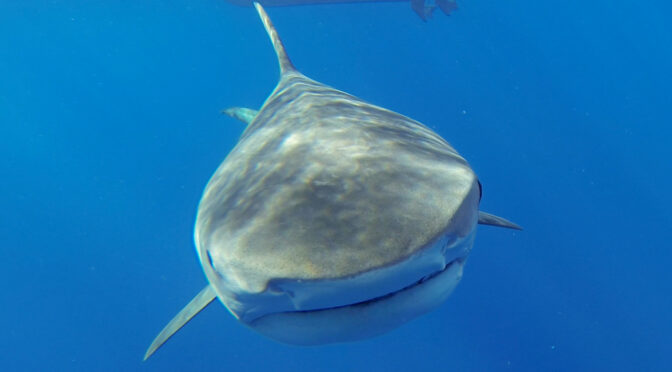
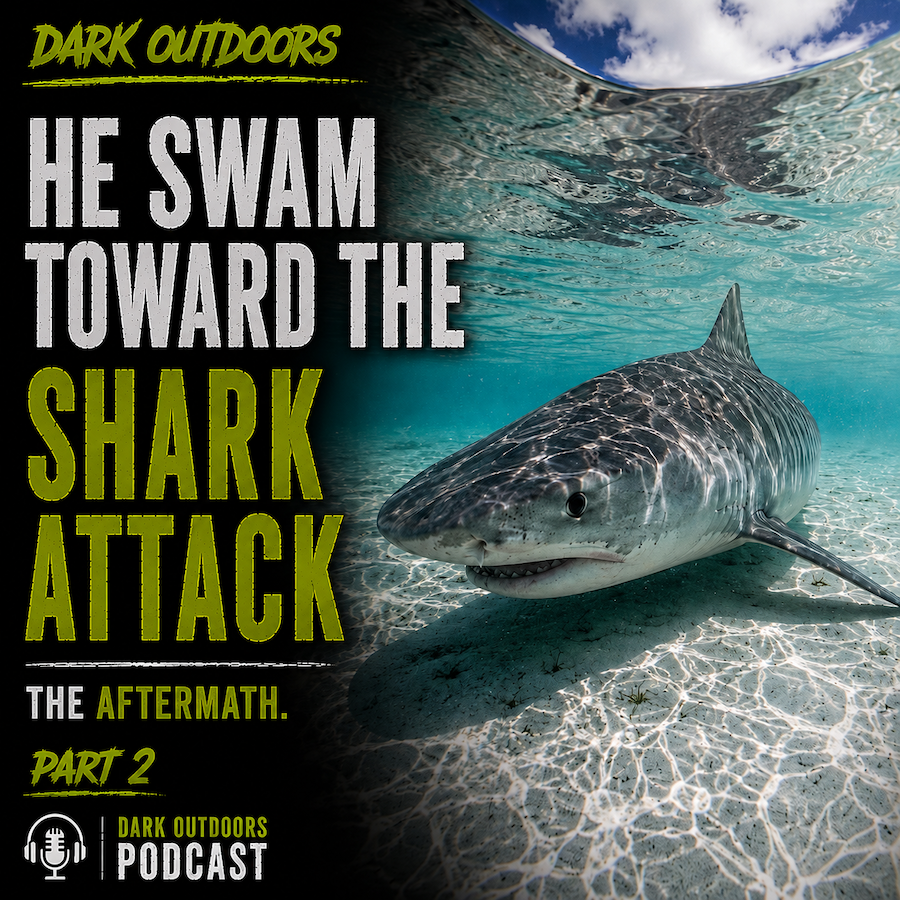
He Swam Toward The Shark Attack Part 2: The Aftermath

When a shark attack occuted in the clear waters of the Caribbean, chaos erupted on the beach. Most people stood frozen, unsure of what to do. Registered nurse Chris Carroll made a decision few people ever would—he swam straight toward the victim, knowing the shark could still be nearby.

That incredible act of courage was the focus of Part 1 of this special Dark Outdoors interview. In Part 2: The Aftermath, Chris sits down with Chester Moore to reflect on what happened after the rescue attempt and how those unforgettable moments changed his life forever.

This isn’t another sensationalized shark attack story. It’s a powerful conversation about courage, compassion, faith, and the choices that define us when we’re faced with extraordinary circumstances.

Chris shares the emotional toll of the experience, what he learned about shark attacks from witnessing one firsthand, and why he believes ordinary people are capable of extraordinary acts when they choose to put someone else’s life ahead of their own.

If you’ve ever wondered what drives someone to run—or swim—toward danger instead of away from it, this is an episode you won’t soon forget.

Listen Now

🎧 Apple Podcasts
https://podcasts.apple.com/us/podcast/he-swam-toward-the-shark-attack-part-2-the-aftermath/id1630809603?i=1000778793277

🎵 Spotify
https://open.spotify.com/episode/27mWtx3G29nIgTU7lFno3E?si=z0jQrN1GS_-bHU3i5WRiRw

🎙️ Listen on Apple, Spotify, iHeartRadio, Audible, and more
https://linktr.ee/darkoutdoorspodcast

Special Shark Week Book Offer

If this episode sparked your interest in sharks and the reality behind these incredible apex predators, now is a great time to pick up my new book:

Gulf Great White Sharks: Unveiling the Mystery of Apex Predators in the Forgotten Sea

For decades, many people believed great white sharks were little more than occasional visitors to the Gulf of Mexico. The evidence tells a very different story.

Drawing on years of research, interviews with leading shark scientists, historical accounts, and modern tracking data, this is the first book ever written entirely about great white sharks in the Gulf of Mexico. It explores their history, the latest discoveries about their movements, fascinating encounters with fishermen and divers, and why these magnificent predators are reclaiming their place in Gulf waters.

Whether you’re a lifelong shark enthusiast, an angler, a conservationist, or simply fascinated by wildlife mysteries, this book offers an evidence-based look at one of the ocean’s most misunderstood animals.

For a limited time during Shark Week you’ll receive:
  • A signed copy of the book
  • An exclusive Gulf Great White Shark Society decal
  • The special Shark Week sale price

How to Order

Send $17.95 via PayPal, Venmo or Cash App to:

Paypalhttps://www.paypal.com/paypalme/chestermoore

Venmo: https://account.venmo.com/u/lmoore526

Cash Apphttps://cash.app/$Moorefamily2310

Please include your mailing address in the notes and don’t forget to sign up to join the Gulf Great White Shark Society. It’s free and this offer is for members-only.

Click this link to learn more and join/subscribe.

Thank you for supporting Dark Outdoors and the Gulf Great White Shark Society. Every podcast listen, book purchase, and shared story helps us reach more people with evidence-based information about sharks, wildlife, conservation, and the incredible stories that unfold where people and the outdoors intersect.

Chester Moore

Follow Chester Moore on the following social media platforms

Chester Moore’s YouTube.

@thechestermoore on Instagram

@gulfgreatwhitesharksociety on Instagram

To support the efforts of Higher Calling Wildlife® click here.

Subscribe to the Dark Outdoors podcast on all major podcasting platforms.

Higher Calling Wildlife on Facebook

Email Chester at chester@chestermoore.com.
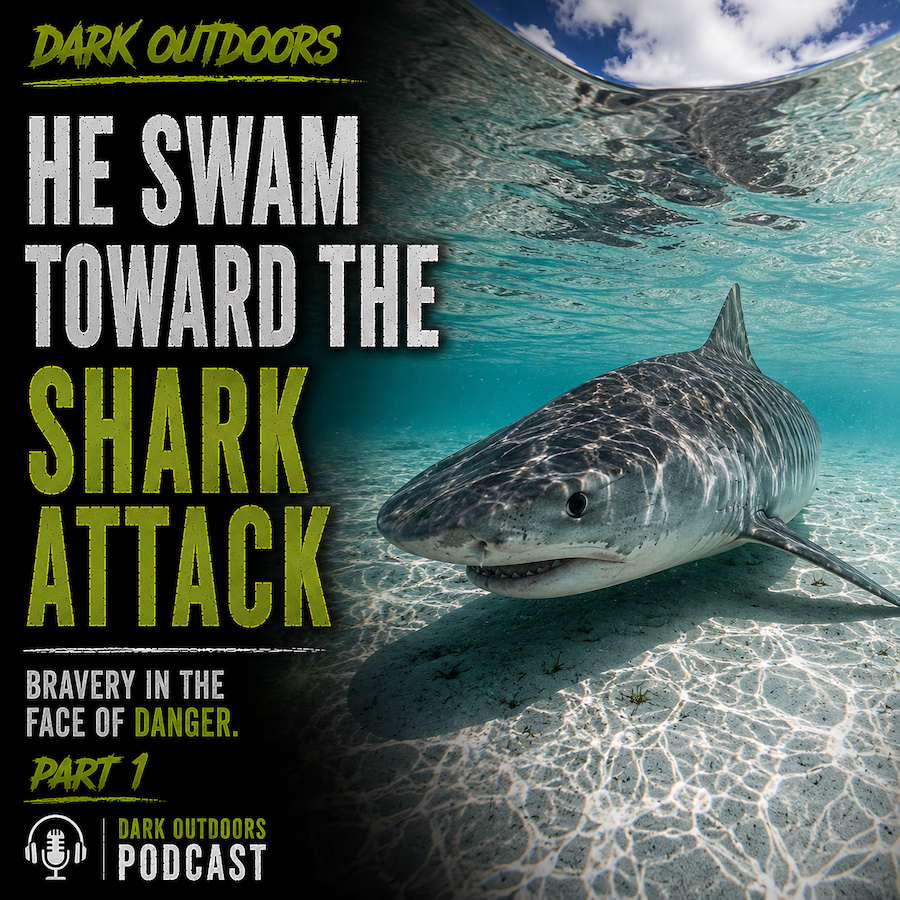
He Swam Toward The Shark Attack!

A woman is screaming in the water. People on shore don’t know what to do. Then one man makes a decision few ever would—he swims toward the danger.

In this gripping first installment of a two-part Dark Outdoors interview, Chester Moore talks with registered nurse Chris Carroll, who found himself in the middle of a fatal tiger shark attack while vacationing in the Caribbean. What began as a relaxing day at the beach became a life-and-death emergency that tested his training, his instincts, and his courage.

Listen to the Full Interview

Apple Podcasts: Dark Outdoors on Apple Podcasts

Spotify: Dark Outdoors on Spotify

All podcast platforms: Dark Outdoors Linktree

Chris shares, in remarkable detail, the moment he realized he wasn’t responding to a drowning victim—but to someone who had just been attacked by a large shark. He recounts the terrifying swim, the rescue attempt, and the split-second decisions that unfolded in the water.

This is not a sensationalized shark attack story. It’s an honest conversation about courage, fear, and what drives someone to risk their own life to help another person.

In Part 1 you’ll hear:

  • Chris Carroll’s firsthand account of the attack and rescue attempt.
  • The moment he realized a shark was involved.
  • What was going through his mind as he swam toward the victim.
  • How his experience as a nurse prepared him for an unimaginable situation.
  • The lessons he learned from one of the most intense moments of his life.

If you’ve ever wondered how an ordinary person responds when confronted with extraordinary danger, this is an interview you won’t forget.

And if you’re a shark fan don’t forget to check out our episode of the Megalodon.

Listen to The Megalodon Mystery

Ready to investigate one of the ocean’s greatest mysteries? Listen to The Megalodon Mystery on your favorite podcast platform:

Chester Moore

Follow Chester Moore on the following social media platforms

Chester Moore’s YouTube.

@thechestermoore on Instagram

@gulfgreatwhitesharksociety on Instagram

To support the efforts of Higher Calling Wildlife® click here.

Subscribe to the Dark Outdoors podcast on all major podcasting platforms.

Higher Calling Wildlife on Facebook

Email Chester at chester@chestermoore.com.

Dog Attacks in the Outdoors: The Rise of Feral Dogs

The first thing I noticed was the Rottweiler.

I was scouting a spot along the Sabine River where I hoped to target bowfin, known to many Southeast Texas anglers as grinnel. The area looked promising. There was good access to the water, plenty of cover and all the ingredients that usually get a fisherman excited about coming back with a rod and reel.

Before I ever made it to the shoreline, though, I noticed movement near the edge of the woods.

A large Rottweiler stepped into view. Then I spotted a German shepherd. A pit bull appeared a few seconds later, followed by what looked like a Labrador mix. The dogs were muddy and looked like they had been spending a lot of time outdoors. Whether they had been abandoned, wandered away from nearby homes or simply found their way there, I couldn’t say.

What I did know was that I wasn’t getting out of the truck.

After decades spent hunting, fishing and exploring wild places, I’ve learned to trust my instincts. Sometimes a situation doesn’t feel right, and there is no reason to ignore that feeling just to prove a point.

A week later I returned to the same location.

Two of the dogs were still there.

That bothered me more than the initial encounter because it suggested these weren’t simply pets passing through the area. At least some of them appeared to be living there.

As I drove away, I found myself thinking about a question most outdoorsmen never ask. What if a teenager had come there to fish alone? What if a family had stopped to explore the shoreline? What if someone walking a trail suddenly found themselves face-to-face with animals that no longer viewed people the way a household pet does?

Most people don’t think about dogs when they think about outdoor dangers. They think about alligators, snakes, sharks or wild hogs. Dogs occupy a different place in our minds because they are part of our lives. We hunt with them. Fish with them. Let them sleep in our homes.

Yet the numbers tell a different story.

According to the Texas Department of State Health Services, approximately 4.7 million dog bites occur annually in the United States. Hundreds of thousands of people require medical treatment each year, and children account for a significant percentage of the injuries. The Centers for Disease Control and Prevention has also documented a substantial increase in fatal dog attacks over the last decade.

Put another way, the average American is far more likely to be injured by a dog than by many of the animals that dominate outdoor safety discussions.

That reality became impossible to ignore last year when a man was killed while walking on a public trail near Katy, Texas. Authorities said multiple dogs attacked the victim during what should have been a routine walk. The incident shocked people because it happened in a place where families exercise, jog and spend time outdoors. It wasn’t some remote wilderness area. It was a public trail in a heavily populated part of Texas.

The attack made headlines for a few days before fading from public conversation, but it highlighted an issue that extends well beyond a single tragedy.

Dogs are among the most adaptable animals on earth. Their ability to live alongside people is one reason they have become one of the most successful species in human history. Unfortunately, that same adaptability allows them to survive when people abandon them.

And that is where the story becomes more complicated.

Over the years, I’ve interviewed wildlife biologists, game wardens, ranchers and hunters who all shared a common concern about feral dogs. While the public often focuses on coyotes, bobcats and other native predators, many wildlife professionals consider free-ranging dogs one of the most overlooked threats on the landscape.

Hunters frequently report seeing dogs chasing deer. Ranchers deal with attacks on calves, goats and other livestock. Along parts of the Gulf Coast, free-ranging dogs have been implicated in attacks on nesting birds and sea turtle nests. Trail cameras regularly capture images of dogs moving through remote areas where most people would never expect to find them.

Unlike coyotes, bobcats and other native predators, dogs did not evolve as part of North America’s natural ecosystems. When they become feral, they often behave in ways that disrupt wildlife populations and create conflicts that native predators typically do not.

Researchers studying free-ranging dogs around the world have linked them to impacts on hundreds of wildlife species. In some regions, they are considered one of the most significant invasive predators on the landscape.

The root of the problem is not the dogs themselves.

The root of the problem is human irresponsibility.

Dogs do not choose to be abandoned near parks, boat ramps, hunting leases, wildlife management areas or back roads. People make those decisions. Every year unwanted animals are left to fend for themselves, and while some are rescued or adopted, others learn how to survive on their own.

That survival can come at a cost.

A dog that spends months or years living without human supervision is no longer behaving like the family pet sleeping on a couch. It may become territorial. It may become increasingly wary of people. It may begin relying on scavenging or hunting to survive. When several dogs begin operating together, those changes can become even more pronounced.

That doesn’t mean every stray dog is dangerous.

Far from it.

Many abandoned animals are frightened, hungry and more likely to run away than confront a person. But one of the biggest mistakes outdoorsmen can make is assuming every unfamiliar dog will react like a pet.

Looking for a thriller that gets the details right? In Hammer, author Joe Betar drew on his real-world experience in conservation, anti-poaching, firearms, and tactical training to create a story that feels authentic instead of over-the-top. Learn more at https://joebetar.com or order Hammer on Amazon:

https://www.amazon.com/s?k=Joe+Betar+Hammer.

I’ve had two separate encounters with aggressive dogs while spending time outdoors. Neither resulted in injury, but both reinforced an important lesson. Situational awareness matters.

The decision to leave that Sabine River location wasn’t based on certainty that the dogs posed a threat. It was based on recognizing that I didn’t have enough information to know whether they did. There were plenty of other places to fish, and no bowfin was worth taking unnecessary risks.

That same mindset applies to outdoor safety in general.

If you encounter a group of unfamiliar dogs in a remote area, pay attention to their behavior. Create distance whenever possible. Avoid approaching them. Don’t attempt to feed them or interact with them. If the animals appear territorial or aggressive, leave the area and notify local authorities or animal control if possible.

Many outdoorsmen choose to carry personal protection while fishing, hunting, hiking or exploring remote locations. Depending on local laws and personal preference, that may include pepper spray, bear spray or a legally carried firearm. Whatever option you choose, understand how to use it safely and responsibly before you ever need it.

Check out this chilling episode from the Dark Outdoors® podcast archives. It tells the tale of terrifying feral dog encounters.

Subscribe to the podcast here on your favorite platforms through our Linktree.

Most importantly, trust your instincts.

I never did fish that particular spot along the Sabine River. Maybe those dogs eventually found homes. Maybe they belonged to someone nearby and simply liked roaming the area. Maybe they were completely harmless.

I’d like to think so.

What I know for certain is that the encounter reminded me that not every outdoor threat comes with scales, tusks or a fearsome reputation. Sometimes the most overlooked dangers are the ones we’ve become so familiar with that we stop seeing them for what they can be.

Most dogs will spend their lives being loyal companions, hunting partners and beloved members of the family. Unfortunately, when people abandon them and leave them to survive on their own, the consequences can affect wildlife, livestock and, in some cases, people.

That’s a reality worth remembering the next time you pull into a remote fishing spot and see something that doesn’t quite feel right.

Chester Moore

Follow Chester Moore on the following social media platforms

Chester Moore’s YouTube.

@thechestermoore on Instagram

@gulfgreatwhitesharksociety on Instagram

To support the efforts of Higher Calling Wildlife® click here.

Subscribe to the Dark Outdoors podcast on all major podcasting platforms.

Higher Calling Wildlife on Facebook

Email Chester at chester@chestermoore.com.
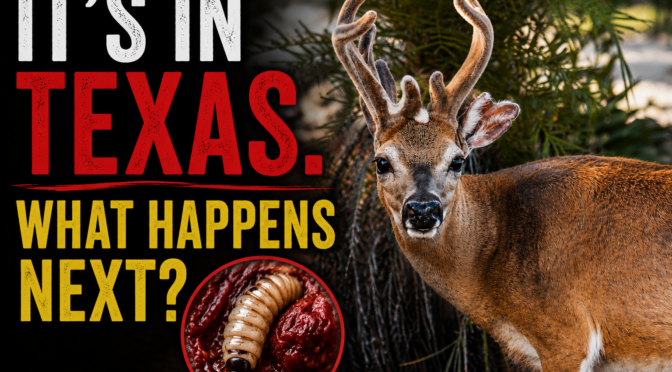
Texas Faces Screwworm. The Key Deer Did 10 Years Ago

Texas is preparing for the threat of New World screwworm. But just 10 years ago, this devastating flesh-eating parasite struck America’s endangered Key deer in the Florida Keys. That little-known wildlife crisis became the last U.S. screwworm outbreak—and the lessons learned there could prove critical as Texas works to keep the parasite from gaining a foothold.

Watch my new video on this topic here

In this exclusive interview, I sit down with Dr. Roel Lopez, Director of the Texas A&M Natural Resources Institute, who worked with the U.S. Fish and Wildlife Service during the 2016 Florida Keys outbreak.

He shares firsthand insight into what happened, how the endangered Key deer were affected, and how one of the greatest wildlife disease eradication efforts in history—using millions of sterile flies—helped stop the outbreak before it spread.

We also discuss:

• Why New World screwworm is so dangerous to livestock and wildlife • The science behind the Sterile Insect Technique (SIT)

• What happened during the Florida Keys outbreak • Why the Key deer story matters to Texas today

• The current screwworm situation along the U.S.-Mexico border

• What ranchers, hunters, veterinarians, and wildlife professionals should know

• Why early detection and rapid response are essential The story of the Key deer is more than a fascinating chapter in wildlife conservation—it’s a blueprint for how science, cooperation, and decisive action can stop one of North America’s most destructive parasites.

As Texas prepares for the possibility of screwworm returning, the past may hold the key to protecting the future. If you enjoy in-depth conversations on wildlife conservation, hunting, fisheries, and the outdoors, please like, subscribe, and share. Your support helps us continue bringing you interviews with the people on the front lines of conservation.

Crime, Conservation and the Outdoors Collide in Hammer

When most people think about crime thrillers, they picture car chases, shootouts and government conspiracies. Those are certainly part of Joe Betar’s debut novel, Hammer, but what caught my attention was something else entirely.

As someone who has spent decades writing about wildlife, conservation and the outdoors, I immediately recognized the realism behind many of the story’s outdoor elements.

Hammer follows former MMA champion Jack “Hammer” Garrett, who leaves the fighting world hoping to build a peaceful life in the Texas Hill Country centered on family, hunting and the outdoors. That peace doesn’t last long, and he’s drawn into a dangerous international conspiracy.

During my interview with Betar, I asked how his conservation background shaped the story.

“I tried to take everything from my medical background and my conservation background and incorporate pieces of those into the challenges Jack faces,” he said.

Betar’s years working around conservation and anti-poaching efforts gave him firsthand insight into the complex realities of wildlife crime. Rather than presenting poaching as a simple battle between heroes and villains, Hammer explores the criminal organizations behind wildlife trafficking while also showing the difficult circumstances that sometimes drive people into that world.

For readers who enjoy suspense grounded in authentic outdoor experience instead of Hollywood clichés, Hammer offers something refreshingly different. It’s an action thriller, but one with roots in the real world of hunting, conservation and international wildlife crime.

Learn more about Hammer

Amazon: https://www.amazon.com/s?k=Joe+Betar+Hammer

Joe Betar: https://joebetar.com

Chester Moore

Follow Chester Moore on the following social media platforms

Chester Moore’s YouTube.

@thechestermoore on Instagram

@gulfgreatwhitesharksociety on Instagram

To support the efforts of Higher Calling Wildlife® click here.

Subscribe to the Dark Outdoors podcast on all major podcasting platforms.

Higher Calling Wildlife on Facebook

Email Chester at chester@chestermoore.com.
The Texas Killing Fields Are Back in the News Again

Few places in America carry a name as chilling as the Texas Killing Fields.

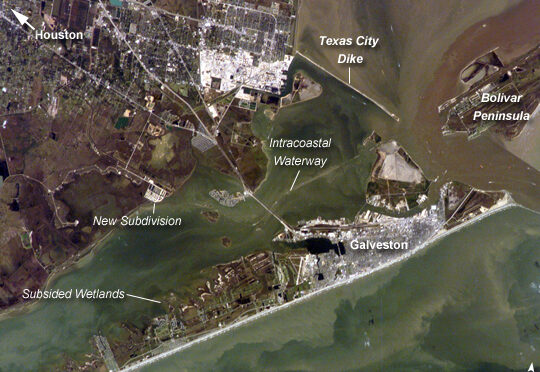
For decades, the phrase has been associated with a stretch of the Interstate 45 corridor between Houston and Galveston where the bodies of dozens of women and girls were found beginning in the early 1970s. Investigators believe multiple killers may have been responsible for the crimes, and despite years of investigations, documentaries, books and media attention, many of the cases remain unsolved.

Now, more than four decades after some of the most infamous murders occurred, the Texas Killing Fields are making headlines again.

In recent weeks, investigators and volunteers returned to search acreage connected to the case after information surfaced suggesting there could be additional evidence—or possibly even another victim—linked to the long-running investigation. The search was prompted by information allegedly provided by James Dolphs Elmore Jr., a Galveston County man indicted earlier this year in connection with two of the most notorious Killing Fields murders.

To understand why the latest search matters, it’s important to understand why the Texas Killing Fields became one of the most infamous crime scenes in American history.

The term “Texas Killing Fields” generally refers to a collection of murders and disappearances connected to the I-45 corridor between Houston and Galveston. Over the years, more than 30 women and girls have been linked to the area. Some of the most widely known cases involved a 25-acre tract near Calder Road where the bodies of four women were discovered between 1984 and 1991. Investigators have long believed multiple offenders may have operated in the region over several decades.

For years, one of the central figures in the investigation was Clyde Hedrick.

Hedrick had long been linked by investigators to several of the Calder Road murders. Authorities were reportedly preparing to seek indictments against him in connection with the deaths of Laura Miller, Heidi Fye, Audrey Cook and Donna Prudhomme. Before that process could be completed, Hedrick died in March 2026. According to investigators, he died after removing a breathing tube while hospitalized. His death ended any possibility that he would face trial in those cases.

Just days after Hedrick’s death, another major development shocked families who had spent decades waiting for answers.

A Galveston County grand jury indicted 61-year-old James Dolphs Elmore Jr. on charges related to the deaths of Laura Miller and Audrey Cook. Prosecutors allege Elmore played a role in Laura Miller’s death and helped conceal evidence related to both murders.

Court records allege that Elmore supplied a vial of cocaine that was later used in connection with Laura Miller’s death and that he withheld information about the location of the victims’ bodies for decades. Elmore has been charged with manslaughter and felony evidence tampering. The case remains pending.

The indictment represented one of the most significant developments in the Killing Fields investigation in more than 40 years.

It also brought renewed attention to Tim Miller, the father of victim Laura Miller.

After his daughter’s murder, Miller went on to found Texas EquuSearch, one of the nation’s most respected volunteer search-and-recovery organizations. For years, Miller continued his own efforts to find answers in Laura’s case. According to recent reporting, Elmore contacted Miller in 2022 and claimed to have information about the killings. Over the next several years, the two spoke numerous times as investigators continued examining the case.

Those conversations eventually led to the most recent search.

According to Tim Miller, Elmore repeatedly claimed there was another body connected to the Killing Fields. Miller told reporters that Elmore approached him several years ago and insisted there was “another body out here.” Search teams recently returned to the area in an effort to determine whether the claims had any merit. As of the latest reports, authorities have not announced the discovery of additional remains.

The fact that investigators are still searching after more than four decades speaks to the unique nature of the Texas Killing Fields mystery.

Unlike many notorious murder investigations that eventually focus on a single suspect, the Killing Fields have always appeared more complicated. Some murders connected to the broader I-45 corridor have been solved. In 2022, convicted killer William Reece pleaded guilty in several related Texas murder cases and received life sentences. Yet many of the cases historically associated with the Killing Fields remain unresolved. Investigators have repeatedly suggested that multiple offenders operated in the region over the years.

That complexity is one reason the story continues to capture public attention.

The Texas Killing Fields are not simply one cold case. They are a collection of tragedies that unfolded over decades, involving numerous victims, multiple suspects and countless unanswered questions. Every new lead, every search warrant and every arrest raises the possibility that investigators may finally uncover another piece of the puzzle.

For the families who have spent decades waiting for answers, that possibility matters.

And as the recent search demonstrates, authorities are still willing to dig through the past in hopes of finding them.

Chester Moore

Follow Chester Moore on the following social media platforms

Chester Moore’s YouTube.

@thechestermoore on Instagram

@gulfgreatwhitesharksociety on Instagram

To support the efforts of Higher Calling Wildlife® click here.

Subscribe to the Dark Outdoors podcast on all major podcasting platforms.

Higher Calling Wildlife on Facebook

Email Chester at chester@chestermoore.com.
Flesh-Eating Screwworm Is A Huge Threat-And It’s Back In America

Few parasites in modern history have caused as much concern among wildlife biologists, ranchers, and animal health experts as the New World Screwworm.

To better understand the threat, I recently spoke with legendary wildlife biologist Larry Weishuhn, known to many as “Mr. Whitetail.” Larry witnessed the original screwworm crisis firsthand and observed the damage it caused before the parasite was eliminated from the United States.

Check out the interview with Larry here.

Unlike most parasites, screwworm larvae feed on living tissue. Animals suffering from an infestation can develop severe wounds that grow larger as the larvae continue feeding. Left untreated, infestations can become life-threatening.

The United States once fought a decades-long battle against screwworm, ultimately achieving one of the greatest animal health victories in history by eradicating the parasite from the country. For many Americans, screwworm became little more than a historical footnote.

Today, however, concern is growing once again.

His perspective is particularly valuable because it combines historical experience with decades of wildlife management expertise. During our conversation, we discussed the biology of screwworm, the lessons learned from past eradication efforts, and what wildlife managers, ranchers, hunters, and outdoor enthusiasts should be watching as this situation develops.

One thing is clear: the New World Screwworm is not simply another wildlife issue. It is a parasite with a long history of affecting wildlife, livestock, and rural communities, and its return has captured the attention of experts across multiple fields.

As more information becomes available, continued monitoring, public awareness, and cooperation between wildlife agencies, livestock producers, and animal health officials will be critical.

For those who care about wildlife conservation, hunting, ranching, and the future of America’s natural resources, the New World Screwworm is a story worth following closely.

Wildlife professionals, livestock producers, hunters, and conservationists are closely monitoring developments involving the New World Screwworm and its movement closer to the United States. The potential impacts extend far beyond individual animals.

Whitetail deer, livestock, pets, and even endangered wildlife species could all face risks if screwworm becomes established in areas where it has previously been absent. Beyond animal health concerns, the economic and conservation implications could be substantial.

Chester Moore

Follow Chester Moore on the following social media platforms

Chester Moore’s YouTube.

@thechestermoore on Instagram

@gulfgreatwhitesharksociety on Instagram

To support the efforts of Higher Calling Wildlife® click here.

Subscribe to the Dark Outdoors podcast on all major podcasting platforms.

Higher Calling Wildlife on Facebook

Email Chester at chester@chestermoore.com.

Dark Outdoors Earns Top Honors at Excellence in Media Awards

BEAUMONT, Texas — The Dark Outdoors® Podcast earned First Place for Overall Podcast Excellence at the 35th Annual Press Club of Southeast Texas Excellence in Media Awards. Dark Outdoors also earned First Place honors for Best Blog and Best Video Storytelling, demonstrating the success of the brand across podcasting, digital media, and documentary storytelling.

The awards were part of a larger showing in which creator and host Chester Moore earned eight First-Place awards overall while competing against mainstream television, radio, print, and digital media organizations from across Southeast Texas.

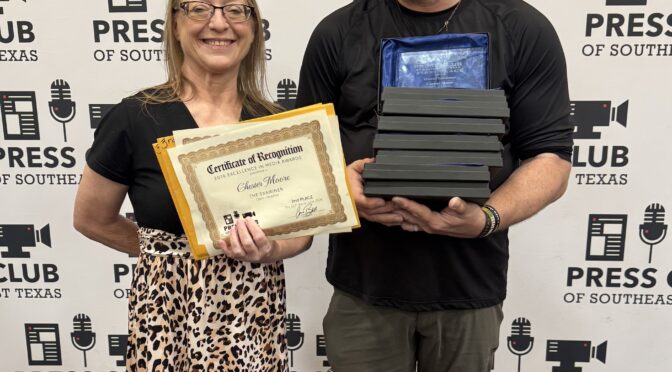
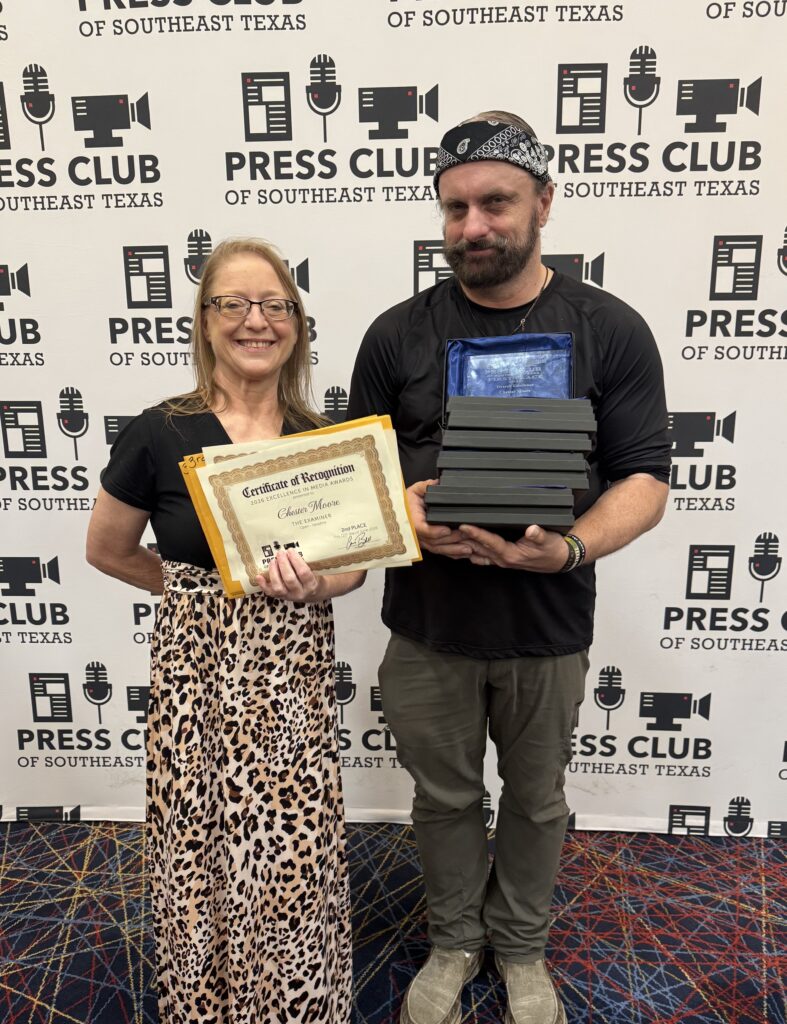
Chester Moore and his wife Lisa at the 2026 Press Club awards.

The award marks the third consecutive year Dark Outdoors has received top honors for podcasting excellence, underscoring the program’s impact and growing audience.

Earlier this year, the Dark Outdoors Podcast also earned Best Podcast honors from the Texas Outdoor Writers Association, giving the program major recognition from both mainstream media and outdoor media organizations.

Dark Outdoors explores the intersection of true crime, unsolved mysteries, and human-wildlife conflict through compelling storytelling rooted in the outdoors.

“Winning for Overall Podcast Excellence is especially meaningful because it recognizes the entire program,” Moore said.

“It is an honor to be recognized among such a talented group of hardworking journalists and media professionals. The Excellence in Media Awards showcase some of the best work being done in our region, and I am grateful to be included among those recognized.”

The Dark Outdoors Podcast features stories ranging from unsolved mysteries and true crime cases to remarkable wildlife encounters and conflicts between humans and animals. Through interviews, investigations, and narrative storytelling, the program examines stories where the outdoors and real-life events intersect.

Subscribe to the Dark Outdoors podcast on your favorite platform here.

Dark Outdoors also earned First Place for Best Video Storytelling for Wild Men in Search of Lost Trout and Feral Humanity, a documentary project created by Moore in partnership with author and investigator Lyle Blackburn and videographer/editor Paul Fuzinski.

The documentary exemplifies Dark Outdoors’ commitment to investigating unusual and compelling stories connected to the outdoors.

In addition to the podcast and documentary honors, the Dark Outdoors blog captured First Place in the Best Blog category. The blog honor further demonstrates the strength of the brand as a destination for original storytelling and investigative reporting.

“People are fascinated by mysteries,” Moore said.

“When those mysteries intersect with the outdoors and real-life events, they create stories that stay with you. Dark Outdoors was created to explore those stories and share them with audiences in a meaningful way.”

The awards highlight the growing reach and impact of the brand as a distinctive voice in podcasting, documentary filmmaking, and digital media.

For media inquiries, interviews, or speaking engagements:

Chester Moore
cmooreoutdoors@gmail.com

Follow Chester Moore on the following social media platforms

Chester Moore’s YouTube.

@thechestermoore on Instagram

@gulfgreatwhitesharksociety on Instagram

To support the efforts of Higher Calling Wildlife® click here.

Subscribe to the Dark Outdoors podcast on all major podcasting platforms.

Higher Calling Wildlife on Facebook

Email Chester at chester@chestermoore.com.

Attacked By Jaws!: The Real Life Story of Alex Kintner

As we approach the 51st anniversary of Jaws, the film’s legacy remains as powerful as ever.

Few movies have had a greater impact on how people view a wild animal. Released in 1975, Jaws became a cultural phenomenon that forever changed the public perception of sharks and introduced generations of people to the fear of what might be lurking beneath the surface.

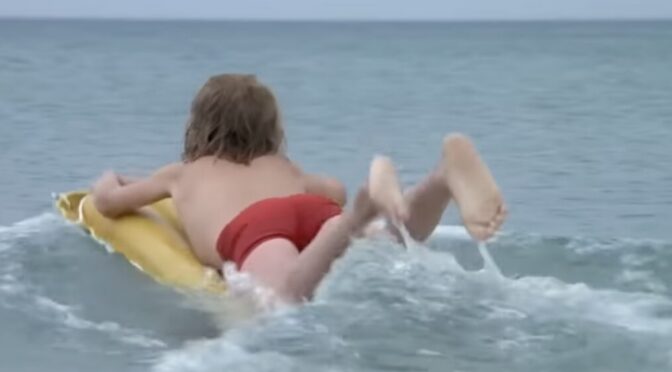
At the center of one of the film’s most unforgettable moments was a young boy named Alex Kintner.

His shocking death aboard a yellow raft remains one of the most iconic scenes in movie history and helped establish Jaws as one of the most influential films ever made.

But what many fans don’t know is the story behind the actor who portrayed Alex Kintner.

For a special episode of Dark Outdoors®, I sat down with Jeffrey Voorhees to discuss his role in Jaws, his memories from the set, and what it feels like to be forever connected to one of the most famous shark attack scenes ever filmed.

Click aboe to access on your favorite plaform or here to listen on Podbean.

The Scene Everyone Remembers

Nearly everyone who has seen Jaws remembers Alex Kintner.

The scene is brief, but its impact is enormous.

It transformed the fictional waters of Amity Island into a place of terror and helped cement the great white shark as one of the most feared animals on Earth.

For many viewers, it was their first exposure to sharks.

And for years afterward, countless people looked at the ocean differently.

The Unexpected Legacy of Jaws

While Jaws unquestionably fueled fear of sharks, its long-term impact is more complicated than many people realize.

The film inspired some people to fear sharks.

It inspired others to study them.

In fact, many of today’s shark researchers, conservationists, educators, and advocates first became fascinated with sharks because of Jaws. Much of that was because of the character Matt Hooper played by Richard Dreyfuss.

I count myself among them.

Like many people of my generation, I was captivated by the film. The fear and mystery surrounding sharks sparked a lifelong interest that eventually led me into shark research, education, conservation, and the founding of the Gulf Great White Shark Society.

I’ve met countless people in the shark conservation world who tell similar stories.

What began as fear eventually became fascination.

And fascination often became respect.

Why This Interview Matters

As we approach the film’s 51st anniversary, Jaws remains one of the most discussed wildlife-related movies ever created.

Its influence on public attitudes toward sharks is undeniable.

So is its influence on the people who ultimately dedicated their lives to understanding and protecting these remarkable animals. And it means something to people. When you hear the interview you will learn how touched many people were to meet Mr. Voorhees because of his connection to the film.

That’s one reason I was excited to speak with Jeffrey Voorhees.

His perspective offers a unique glimpse into a film that not only changed Hollywood but also helped shape public conversations about sharks for more than five decades.

Listen to the Interview

In this special episode of Dark Outdoors®, Jeffrey Voorhees shares stories from the making of Jaws, reflects on the legacy of Alex Kintner, and discusses his connection to one of the most memorable moments in cinematic history.

Whether you’re a lifelong Jaws fan, a shark enthusiast, or simply interested in the intersection of wildlife and popular culture, this is a conversation you won’t want to miss.

Attacked by Jaws: The Real Story of Alex Kintner

Listen now on Dark Outdoors® and join us as we revisit one of the most iconic shark stories ever told—and explore the surprising ways it helped inspire a generation of shark advocates and conservationists.

Click here to access the program’s Linktree to find on our favorite podcast platform.

Click here to access via Podbean.

Check out the official Jeffrey Voorhees website where you can get autographed merchandise.

Chester Moore

Follow Chester Moore on the following social media platforms

Chester Moore’s YouTube.

@thechestermoore on Instagram

@gulfgreatwhitesharksociety on Instagram

To support the efforts of Higher Calling Wildlife® click here.

Subscribe to the Dark Outdoors podcast on all major podcasting platforms.

Higher Calling Wildlife on Facebook

Email Chester at chester@chestermoore.com.

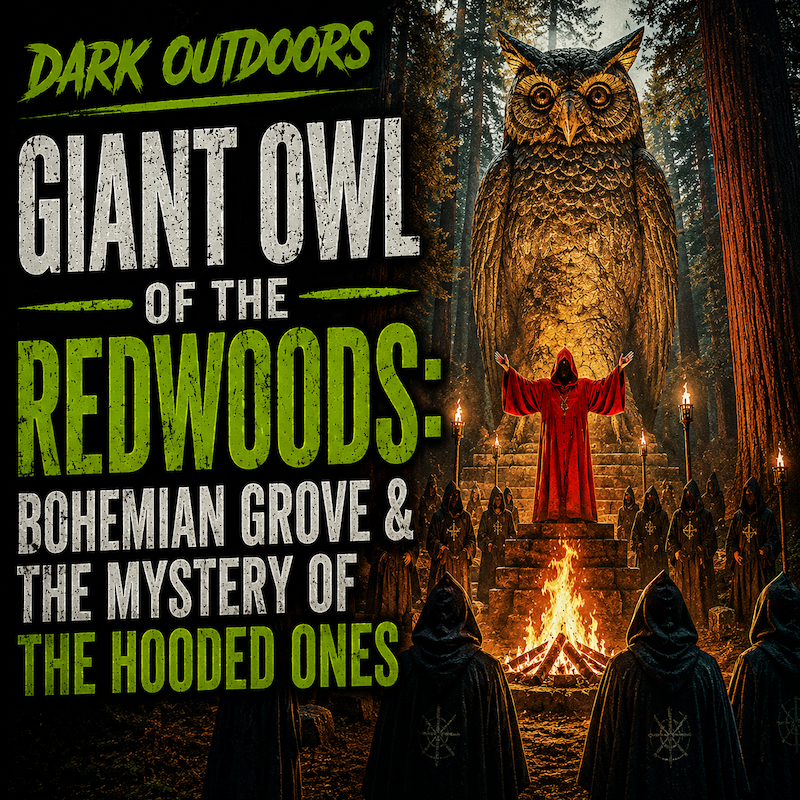
Giant Owl of the Redwoods: Bohemian Grove & The Mystery of The Hooded Ones

Deep in the California redwoods, beneath a towering owl statue hidden among the trees, robed figures gather around firelight as chants echo through the darkness.

For decades, Bohemian Grove has fueled rumors involving secret ceremonies, elite power, occult symbolism, and hidden rituals far from public view.

But what if scenes like this are not isolated?

In this unsettling episode of Dark Outdoors®, Chester Moore investigates disturbing similarities between the mysterious rituals of Bohemian Grove and terrifying firsthand encounters reported deep in remote wilderness areas.

Witnesses describe hooded figures gathered around fires…
strange nighttime ceremonies…and mysterious leaders dressed in red standing at the center while others watch from the darkness.

Listen to the episode here via Podbean.

Find and subscribe to the program on Apple Podcasts, Spotify, IHeartradio or Audible here via our LinkTree.

The episode also explores the ancient symbolism of the owl across cultures, from Mesoamerican beliefs surrounding death and sorcery to the owl’s modern role in secretive ceremonial traditions.

Are these merely recurring symbols rooted in human psychology and ancient mythology?

Or do the stories point toward something darker hidden deep in the outdoors?

From elite gatherings beneath giant owls to terrifying encounters in isolated forests, this episode examines the mystery, fear, and symbolism surrounding one of the strangest recurring images in Dark Outdoors history: the hooded figures in the wilderness.

Follow Chester Moore on the following social media platforms

Chester Moore’s YouTube.

@thechestermoore on Instagram

@gulfgreatwhitesharksociety on Instagram

To support the efforts of Higher Calling Wildlife® click here.

Subscribe to the Dark Outdoors podcast on all major podcasting platforms.

Higher Calling Wildlife on Facebook

Email Chester at chester@chestermoore.com.